
Previous Grade 4 Highlights

Ms Trudy Grade 4 (October, 2024)
Contextual Learning
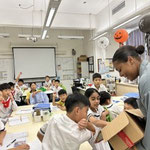
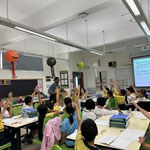
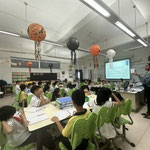
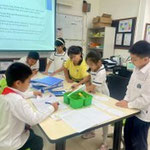
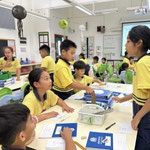
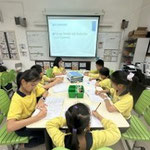
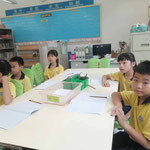
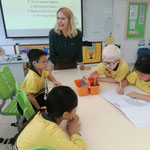
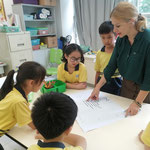
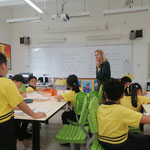
Grammar is the backbone of any language, but learning it in isolation can be boring and ineffective. Putting grammar into context helps students to understand the practical applications of grammatical rules and retain them. In this lesson, we focused on reinforcing the possessive pronouns, prompting the students to talk about the relationship between people or to say who owns something.
First, the teacher introduced the topic with “Is This Mine or Yours?” questions, by asking the students to each put something into a box. Then, the students took turns pulling something from the box, using possessive pronouns to ask questions or make statements. Example: Whose book is this? It's not mine
They were then shown a short film to brainstorm profession related vocabulary in groups. Each group wrote down seven professions. Then, on additional cards, they wrote items related to each profession. Each student in the group held up one of the profession cards. The other students in that group took turns assigning related words for each “professional.” The players selected cards and had to decide who they belonged to, and hand the cards to that student, using a sentence that includes possessive pronouns and adjectives.
Afterwards, the students identified words in sentences that should be replaced with possessive pronouns. By learning in a context the students have a better chance to retain the grammar taught!








Mr Frank Grade 4 (December, 2023)
Mind Maps for Journal Writing
In the writing strategies lesson, the students were tasked with making a mind map about Thanksgiving. Their discussion led them to discuss Thanksgiving in terms of planning a dinner. The students seemed very excited to contribute their ideas to the conversation. They dedicated a few class periods to having a discussion about thanksgiving, making a mind map and writing a journal about their perfect thanksgiving holiday.
This process allows for both organization and expression of their thoughts. Students discussed planning a guest list of people to invite to their holiday dinner, what food would be served to the guests and what activities to do after the dinner is finished. The assignment was divided into three phases for the students. Then, the students worked together to generated the language that they would need to use to make their mind map.
During the discussion phase, the students discussed and shared what they knew about Thanksgiving. They also asked questions about the holiday traditions in my family.
During the planning phase, the students worked diligently to write, draw and color their mind maps as they shared their ideas with their table-mates.
During the production phase, the students put the finishing touches on their mind maps and began writing their journals. They used the rest of the lesson writing and self-editing before giving their mind map and journal to the teacher.


Ms Becky Grade 4 (September, 2024)
Let’s make new friends!
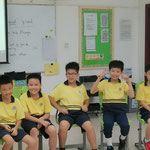
Starting a new class, with new classmates is never easy, so in Grade 4 we like to first try to get to know our students, and help them get to know each other too. This will make the learning environment a lot happier! This year in 4.3, we began with thinking together about what questions we ask another student to make friends with them. We made a list as a class, and also students added three of their own. We talked about ways to make connections with people and asking others if they like what we like. They shared their ideas to the class after.
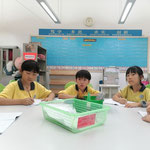
Then we learned more vocabulary about self-introductions and answered questions about ourselves. After this we discussed about the important question words we need to make questions: what, where, when, why and how. We then wrote as many questions as we could to match the self-introduction responses. Finally, in table groups, each student chose the most interesting question and made a list of six questions.
These six questions were then written on a whiteboard dice and we took turns to throw the dice and answer each question. Every six minutes we rotated the dice to different groups to change the questions and keep students engaged with new and interesting questions. Finally, everyone had to write as much as they could about each person on their table in eight minutes. Then the books were collected and the teacher read out some of the descriptions and asked students to guess who it was. Students had a lot of fun and learned many interesting things about their fellow learners, and had some good laughs along the way! After these activities, students felt a lot more comfortable around each other and this will make future lessons more interesting too, as I will be able to include their hobbies and names in other activities.


Ms Trudy Grade 4 (December, 2023)
Transforming language learning through speaking
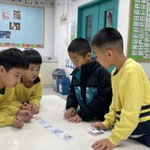
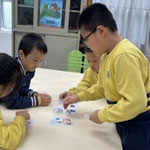
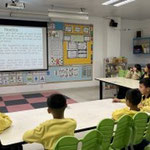
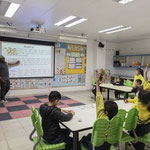
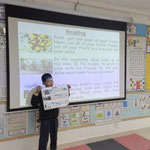
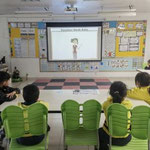
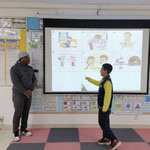
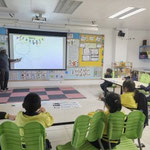
One of the most important goals of learning English as a second language is being able to effectively communicate. Students often find it challenging to express themselves fluently in the language. They often experience a wide range of speaking-related problems such as lack of vocabulary and grammar knowledge, poor pronunciation skills, lack of knowledge about how to start, maintain and end a conversation politely and lack of confidence when speaking with more competent speakers of English. This lesson focuses on helping the students to develop public speaking skills with an emphasis on voice level, eye contact, clarity, and inflection.
The Process
1. We started the lesson by discussing the term “Inspiration”. The students were asked several to get their thoughts flowing.
2. They were then introduced to the key vocabulary to assist them with the upcoming activity.
3. The teacher modeled writing the speech on “My Hero” by explaining to the students the definition of hero, and then brainstorming the qualities that a hero might or should possess.
4. The students were then asked to write on the topic, describing their hero and how they inspired them.
5. Afterwards the teacher then modeled the qualities of a good speaker, placing an emphasis on voice level, eye contact, clarity, and inflection.
6. The students were then task with presenting their written speeches focusing on these areas.





Mr Nathan Grade 4 (November, 2023)
Sportsmanship
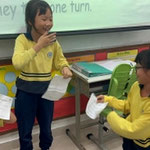
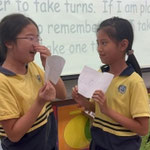
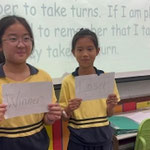
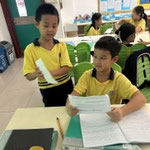
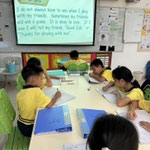
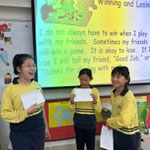
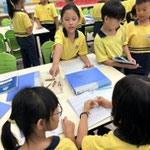
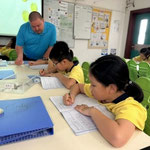
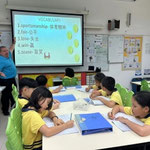
With Sports Day coming we wanted to teach about Sportsmanship and the proper way to deal with playing games and competitions. The students first needed to learn the vocabulary we were going to use, so they copied down the vocabulary from our presentation. Next we read how to act while playing and after winning and losing. We learned about being fair – not cheating to win, taking turns – making sure that if you get a turn, everyone else gets an equal turn, and sharing – not being selfish and keeping everything for yourself. As a class we talked about how we would demonstrate sportsmanship while playing games or during a competition. The teacher then called up some volunteers to act out both good sportsmanship and bad behaviors so the students could see what they were to do next. Finally, the students worked in small groups to come up with a role play where they demonstrated both the good behaviors and the bad behaviors. There was a lot of fun with them coming in front of the class and acting and it helped build up their confidence in themselves and their English abilities. We agreed in the end that we liked being treated nicely so we should treat others nicely too.









Mr Little Grade 4 (November, 2023)
Learning new words for daily use
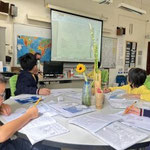
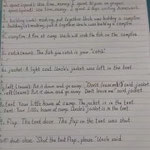
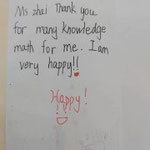
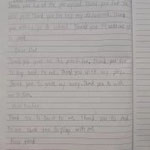
At the lower levels of language learning—that is to say, the beginning of the long road—learning new words to use in various situations is the most important thing. Luckily, the journey of a thousand miles begins with a single step. That step, is learning new words. In our class, we take short, easy stories, both reading and listening, as a platform on which to build our vocabulary. We learn the new words in a story a little at a time. We write them down in our notebook. Then we make flash cards with a picture on one side and the word on the other. We make crossword puzzles that require us to have the correct letters as well as an understanding of the definition. We write the word with its definition and then in a sentence. We write this again a couple times. The repetition with the fingers helps the repetition with the eyes and the mind; tying everything together with as many neural points as possible. Having learned new words and their meaning, and practiced writing them in sentences, it’s time to be let go and to write freely with the new vocabulary. Students write Thanksgiving cards, Halloween cards, and journal essays using their new vocabulary.
Their ears, eyes, mind and hands, all having practiced the words before, are better equipped to make use of the words in a natural and free setting. Just look at these beautiful minds fly free! Unfettered by a limited vocabulary! It’s a wonderful thing!






Ms Becky Grade 4 (September, 2023)
Prepping for the School Year
Starting a new school year can be a very challenging time for all concerned. Students are worried if the work will be too difficult, or too easy. In order to help students become the best learners they can be, in 4.3 we spend time discussing the specific challenges and expectations of being part of Grade 4, to help everybody adjust smoothly.
We encourage new friendships and balanced ideas by sitting students apart from old classmates and having a mix of boys and girls at each table. The students sign an agreement once they understand the rules. Giving ample rewards encourages other children who need more time to adjust. We model our expectations, and give students opportunities to redo an action until they are successful, which teaches persistence and respect.
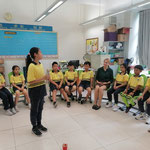
In classes, we promote organized thoughts and ideas by insisting on neat and tidy room, and neat books. We work on how to be a good friend and how to have more emotional control so we can behave properly. We make a class circle and discuss these ideas openly so that students can get to know each other and feel safe to express ideas. We value all ideas and encourage students to support and listen to each other, through modeling and rewards.
After a few weeks, we find that starting the year with clear and high expectations for social and academic behavior develop the ‘whole child’, and, produce much more motivated and determined students. They develop clear goals of how to behave and respect each other, which makes the academic work flow well. Three cheers for a great new year!









Ms Trudy Grade 4 (June, 2023)
Creating Comics: Unleash Your Imagination!
Comic writing is an engaging and effective tool for students to develop their language skills. Combining visuals with written text, comics provide a dynamic platform for language practice, vocabulary expansion, and creative expression. In this lesson, the students used the different elements of storytelling and combined visual communication by creating their own comic strips. The students had to apply their critical thinking skill, to develop characters, plotlines, and dialogue for their comics. This lesson helped them to enhance their writing and drawing abilities while expressing their creativity.
The Process
1. We started the lesson by discussing what comics are and how they combine visuals and storytelling. The students were shown some examples of comic strips to get them engaged and interested.
2. We then discussed the key elements of a comic strip: a. Panels: Define and explain the concept of panels in comics. b. Characters: Introduce the importance of well-developed characters in a story. c. Setting: Discuss how the setting influences the story. d. Dialogue: Explain the role of dialogue in conveying the plot and character interactions.
3. As a class, we brainstormed some ideas to create a simple comic strip together. We discussed ideas for characters, setting, and plot. The students were encouraged to contribute and share their thoughts.
4. Each student was then provided with paper to plan their own comic strip by sketching out the panels, characters, and basic story-line. They were reminded to use clear pictures, speech bubbles, and sound effects to enhance their storytelling.
5. Once the students completed their comic strips, they shared their creations with their classmates who shared their feedback and positive words of encouragement.


Ms Becky Grade 4 (June, 2023)
Listening for and using adjectives in skits
Listening to and watching shows promotes listening skills and has really helped some students to learn new and interesting words. When students watch a show, and pick out certain words, they can improve their ability to listen for detailed information. In listening classes, we have been working on comprehending the general meaning of what we listen to and watch, and then analyzing some certain words and phrases.
An activity to develop these skills is the use of short movie clips in class. Students first listened to a clip and wrote down some ideas of what it was about. Then they shared and compared ideas in a class discussion. After this, students were asked to listen again for important words, such as adjectives, verbs and any new words. The clip was paused from time to time, to give students a chance to write down the words. We made a long list from all the ideas.
Students then wrote their own short skit in groups using four of the adjectives, verbs and new words they heard. They then performed it to the class, and the audience listened for the special words and shared the ones they heard. If they were correct, they received prizes. Students enjoyed this active listening and watching the performances, and were very excited to repeat the adjectives and verbs they heard.
Our listening classes have been very successful this year. Using movie clips promotes better listening skills through questions and word analysis. Adding subtitles can also improve reading skills at the same time as listening. I encourage students to watch English shows and movies, and test themselves by writing down new words they hear and see.


Mr Nathan Grade 4 (May, 2023)
Let Life Be More Green
For our theme we learned about Recycling and how we can help our environment and planet.
First we learned the English vocabulary that was related to recycling.
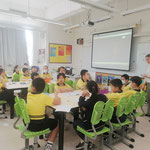
Next, the students practiced the vocabulary, reciting the words and their meanings. They learned about the different types of materials that things are made of, such as plastic, wood, glass and stone. The teacher elicited vocabulary from the students on common items in the classroom and we discussed what they were made of and whether we could recycle them or do we just need to throw them away later.
Students also called on their classmates to answer questions about the vocabulary or to give examples, practicing using the words in sentences. The class would decide if an item was recyclable or just trash.
Our activity was to make a poster showing how to separate the different recyclable items. The teacher explained the process of cutting out each picture and gluing it to the poster. There were 8 different bins; cans, clothes, reusable items, compost, garden waste, glass, paper and cardboard, and plastic.
Next, the students had to decide in which bin different items would go. They even found some items that could go into more than one bin. Everybody was proud of their hard work and this activity helped the students to better remember the vocabulary and allowed them to talk about recycling.




Mr Nathan Grade 4 (April, 2022)
Describing and Creating a Monster
To begin the activity, the students read the story, “The Blind Men and the Elephant.” In which some blind men describe an elephant and its parts. We looked up the new vocabulary and talked about the story. The students learned how to make a “simile” describing something as something else.
Next we did a worksheet with a detailed description of a nature scene, in which a boy is looking out over a lake and describing what he sees. We circled the descriptions and tried to draw a picture of them as we recognized them.
Then we talked about the monsters that we already knew; dragons, unicorns, and mermaids. We then tried to think of new monsters and talked about what we remembered about them. The students talked about some Chinese creatures that they knew.
Finally, each student made their own monster or found a monster to talk about. They drew a picture of the monster and wrote a story or described it in detail. They talked about if it was good or bad, where it lived, what it ate, and what did it like to do.
Afterwards, each student introduced their monster in front of the class and told everyone about them. If there was time afterwards we had a debate about what monster would win in a fight if it was fighting someone else’s monster. This was a very fun assignment.




Ms Becky Grade 4 (May, 2022)
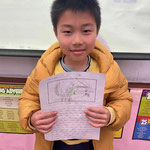
Creative Speaking with Animals
To speak without preparation is no easy task. Therefore, it important to start by building up vocabulary, then to practice, by oneself, in groups and in front of the whole class.
We work hard in Grade Four to develop the students’ speaking confidence and abilities by varying activities designed to keep children ‘creatively speaking’, giving them chances to use new and different vocabulary they have been learning all year. In 4.3, we have designed a fun activity to help students think and speak at the same time, all with a smile.
Every week, students take home a different strange, morphed animal to consider. They make a story about it. Then we speak about the animal to the class on Mondays. The latest Creative Speaking Activity uses these experiences and gives students a chance to demonstrate both accumulated and new vocabulary to think about new strange animals. Students choose an animal and speak for one minute about it. There are some questions on the back of each picture to stimulate deeper thinking and creativity.
Small groups were also given previously unseen pictures. Each group chose their favorite picture, which also encourages them to speak more; as they love to talk about what they are interested in. Students took it in turns to make a creative speech about the picture, closely monitored and encouraged by their teachers. They laughed as they considered each question and this helped them be less shy when speaking to a group. They all have something interesting to say and the students really enjoyed it! After this, students wrote their stories so they had a record of their creative ideas about their funny animals.
Fun and laughter is a great way to build confidence in their own speaking abilities.




Mr Frank Grade 4 (May, 2022)
The Body - The Five Senses
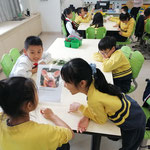
In our themed unit on The Body, we discussed and studied The Five Senses. The students learned about the sense of touch, taste, sight, sound, and smell. Our discussion led us to talk about the ways we can use our senses and how they help us to live.
The students seemed very excited to contribute to the conversation. Some of the class periods were dedicated to making a poster as a group project, as it allows for communication and creativity from the students. We talked about different types of posters and what kind of information they need on them. Next, the project was broken down into three phases for the students. Then, we generated the language that the students would need to use to communicate tasks and responsibilities within the groups at each of the three phases of the project.
During the planning phase, the students assigned tasks to each member of the group. They also discussed the features of their poster, and the placement of the information on their poster.
During the creation phase, the students worked diligently to write, draw, cut, and glue their features to the poster as they communicated what needed to be made and where information would be placed.
During the presentation phase, the students put the finishing touches on their work. They also decide who would talk each feature of their poster and what they would say before they presented their finished work to their classmates.
I am sure the student learnt a lot doing this project, especially about team work, cooperation and communicating effectively with each other.



Ms Trudy Grade 4 (May, 2022)
Art Integrated Learning (AIL)
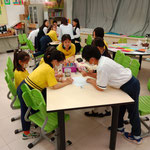
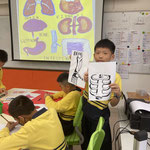
You must be wondering, what this is? Is it a game or a subject? It’s actually neither. Art integrated learning is a teaching-learning model, where the students learn a topic or subject in the form of art. This type of model is student-centered meaning the students are given the opportunity to decide two things: what material they learn and how they learn it, in contrast to teacher-centered approaches where the students are focused completely on the teacher. This is a fun way of getting all the students involved in the lesson. The students of 4.5 had a blast creating poster models of ‘The Human Organs” within the body. It fostered a lot of teamwork and creativity.
THE APPROACH:
1. First, the students had to brainstorm how they wanted to construct and represent the human organs. This encouraged the students to think creatively and share their ideas, no matter how far “out there” they may seem.
2. The students had to assign task among each other in a group setting which is a good way to learn responsibility, teamwork and practice speaking confidently among their peers.
3.They then selected the materials needed to create the organs, designed them and assembled them on the poster.
4. Finally, the students had to speak about their posters and the function of each organ in the body.
Incorporating art into the theme unit imprinted the picture, names and shape of the organs in the students’ memory while fostering good working habits.




Mr Little Grade 4 (May, 2022)
The Importance of Descriptions
In all my time reading the journals of students, I have noticed that many of them can be a little boring. But that begs the question, why are they so boring? They lack details! This year, the 4.1 class decided to analyze the descriptions in one of the books we read as a class: “Matilda,” by Roald Dahl. We found that out of about 20 sentences on a page, 18 would have descriptive language. Within those 18 sentences, there were over 40 descriptive words used! Those words were not limited to adjectives, but included adverbs, nouns, and even verbs!
As part of our reading, as well as writing, lessons we located and wrote down many various descriptive language styles, and we have practiced writing them both in class and as our homework. One way to do this was to start with a very basic sentence that is very common for our students. Something like: “I took my dog for a walk.” And then expand that sentence into an entire half-page story of the dog walk.
After modeling it repeatedly in class, and writing down pages of higher-level descriptive words and what they mean, students were set loose to try it on their own. Suddenly, the simple act of taking their dog for a walk, or going to eat dinner at their aunt’s house has become an exciting and colorful story worth sharing and reading. A very enjoyable thing to read indeed!
Adding descriptions can make a very boring and simple story into a writing masterpiece that helps the reader to imagine and live the story through words!


