Classroom Highlights (Learning in Action!)
2025 - 2026 Highlights

Mr Shaikh Grade 6 (June, 2026)
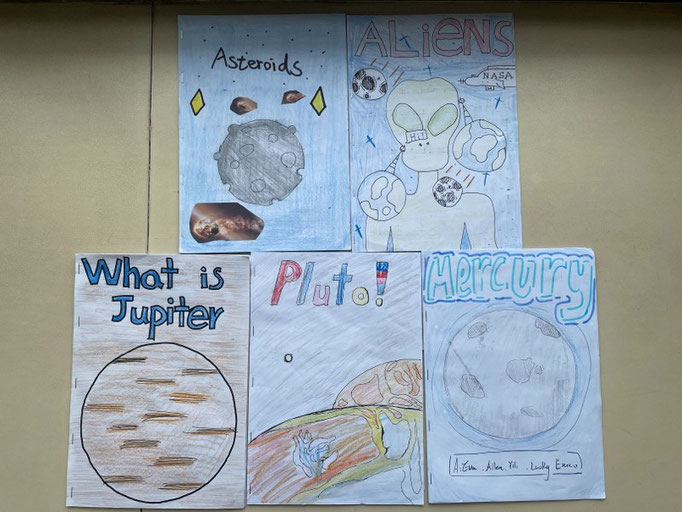
The Future Is Space: Creating Non-Fiction Books Using the Future Tense
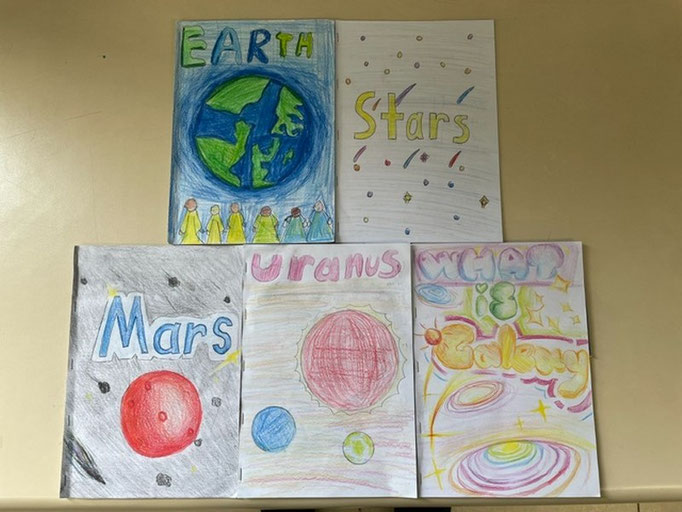
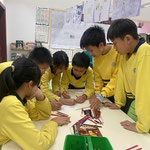
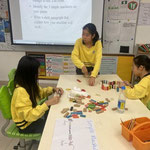
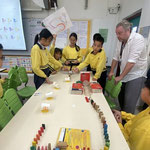
As part of our grammar and thematic unit, we used a creative way to apply the future tense while exploring a topic that naturally sparks curiosity: space. The goal was for each group to create their own non-fiction book about a space-related topic, using the future tense throughout.
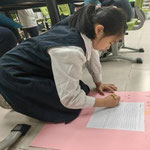
Activity 1: Comic Strip Drafts
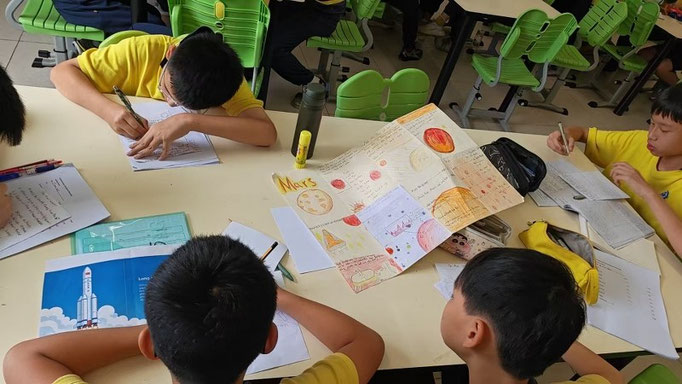
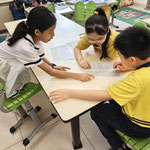
Students began by sketching “comic strip”
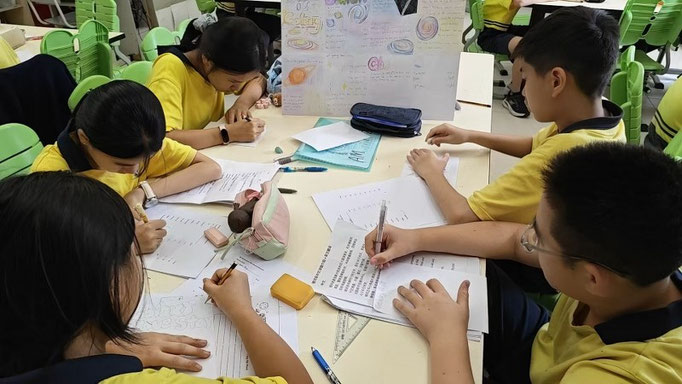
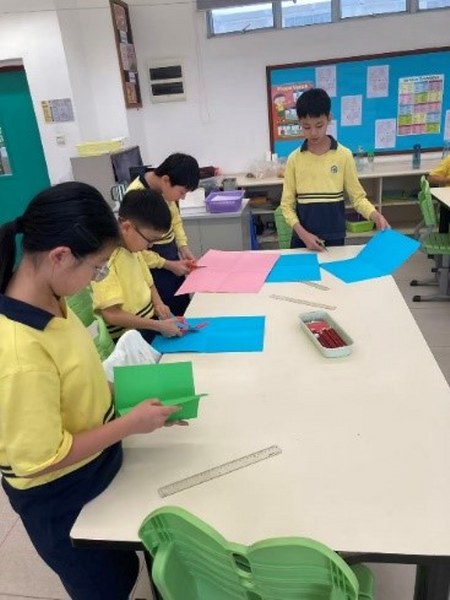
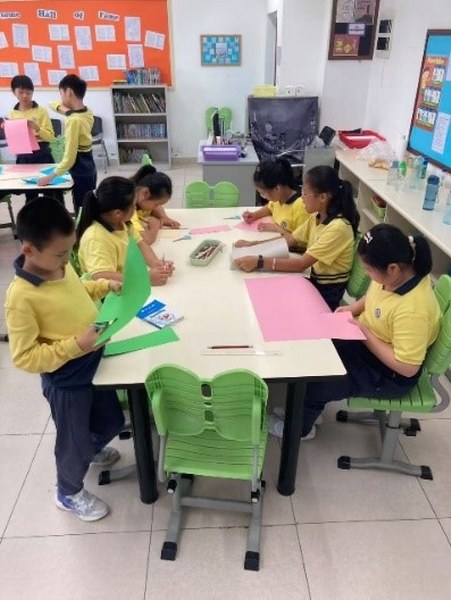
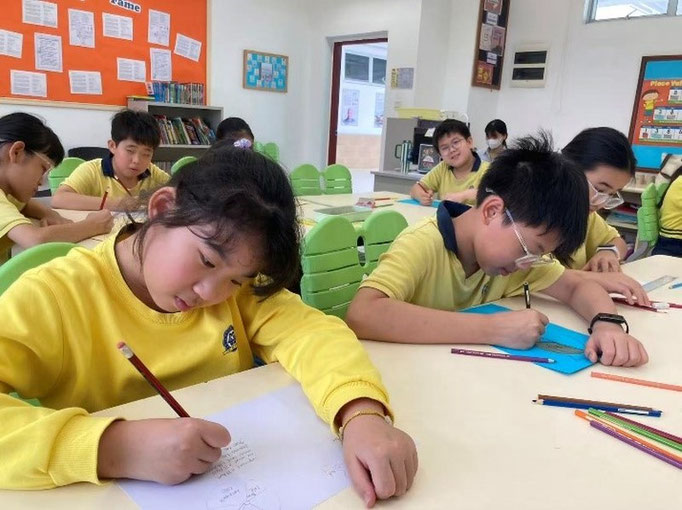
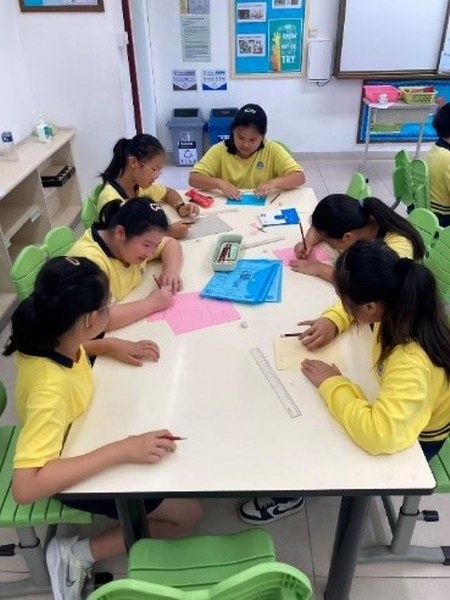
drafts on large A3 paper. This helped them visualize the layout, design, and content of their books before diving into the writing process. It also gave them a clearer sense of how each page
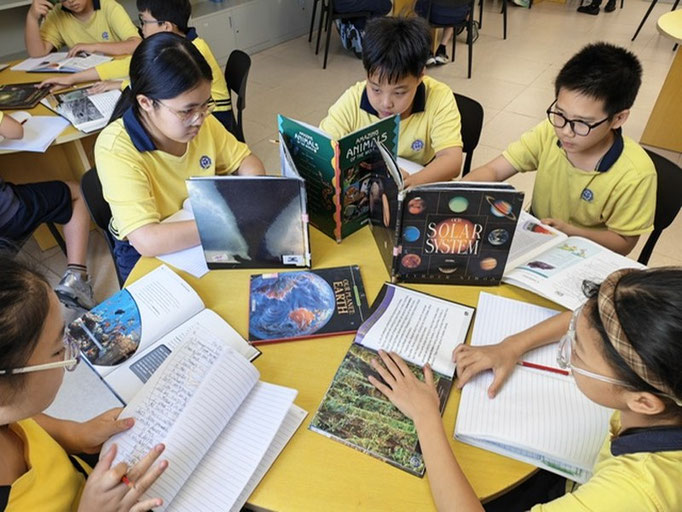
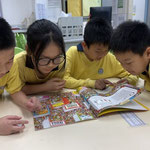
would connect. They used random non-fiction books to give them inspiration as to what they wanted their books to look like.
Activity 2: Library Research
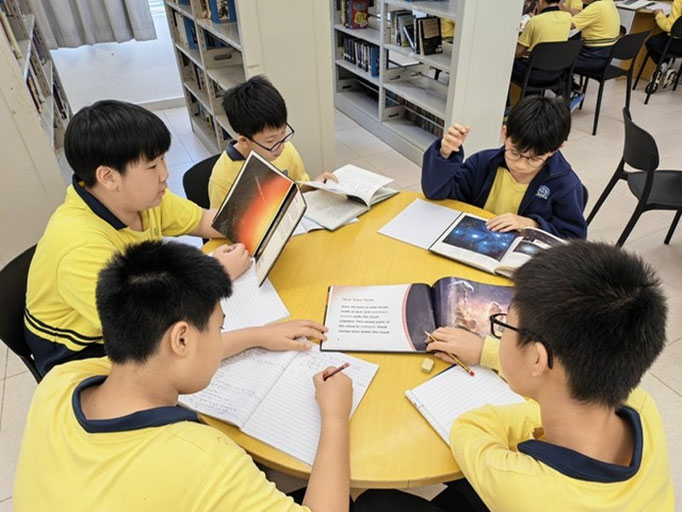
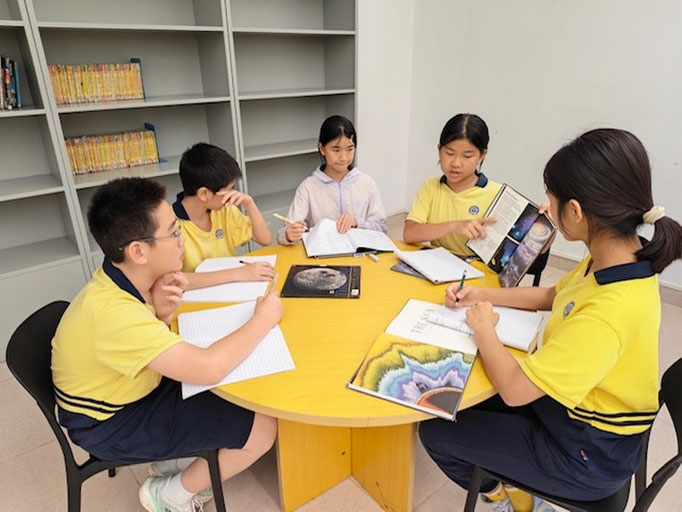
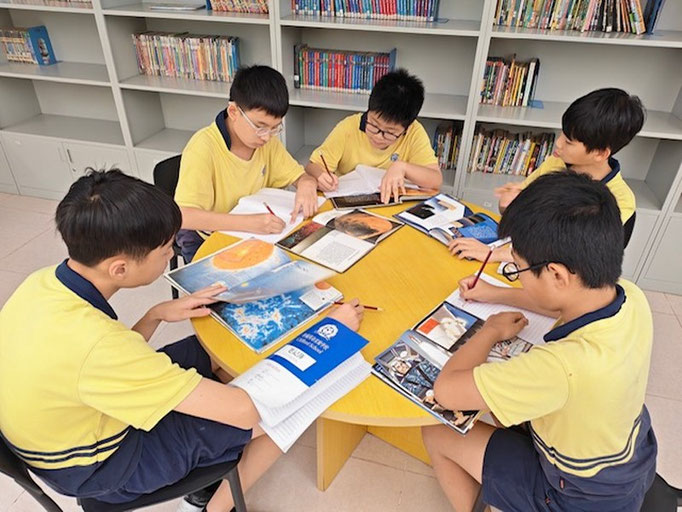
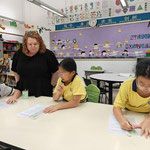
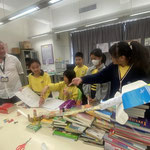
Next, students visited the school library
to research their chosen topics. Working in small groups, they used non-fiction library books to take notes, gather accurate information, and find inspiration for their books.
Activity 3: Writing and Designing
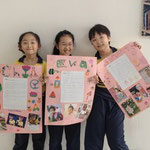
Using their research, grammar
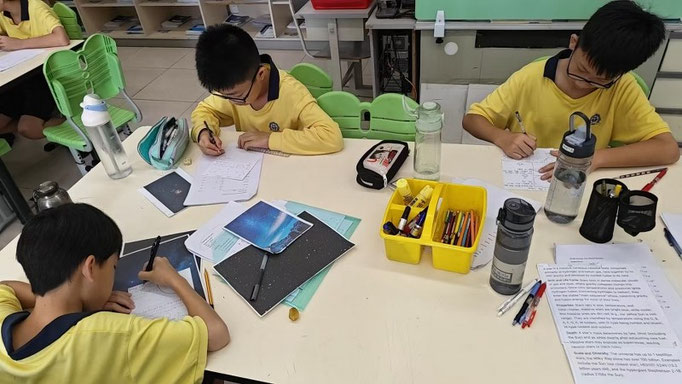
knowledge, and draft designs, students created their final books on small A5 paper. Each group member was responsible for a different page, including the introduction, glossary, and index.
Throughout the writing process, students referred to their interactive books to ensure they were correctly using the future tense.
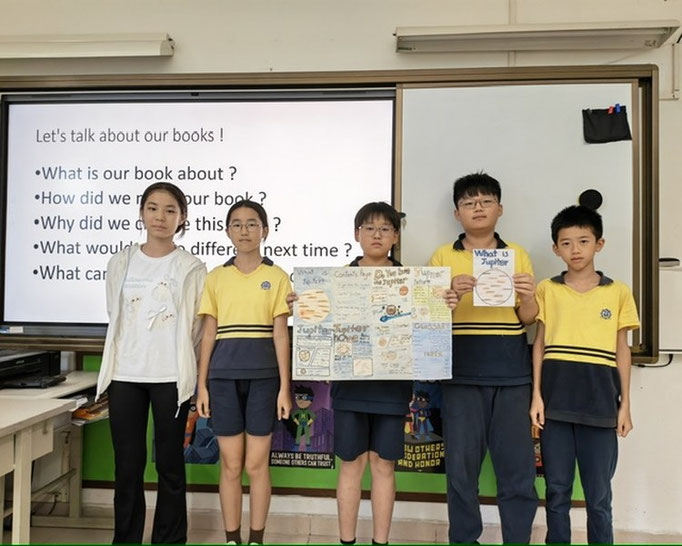
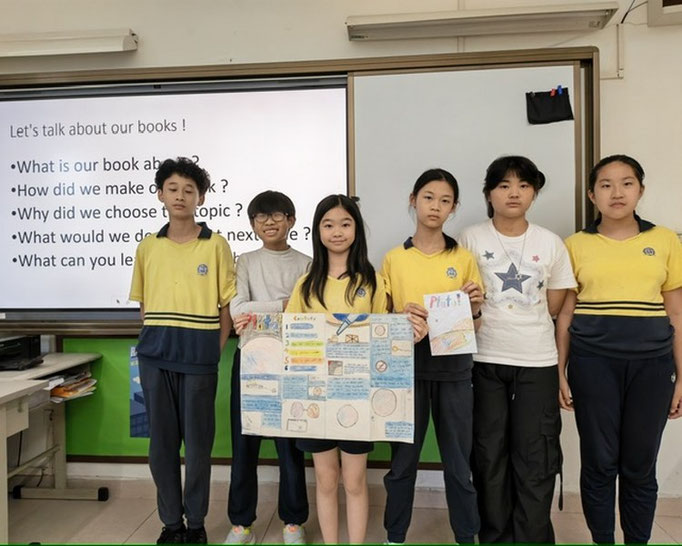
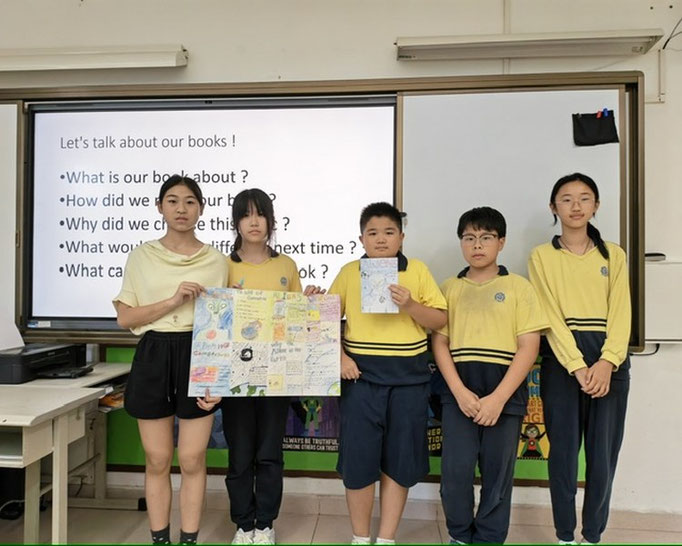
Activity 4: Presentations
After completing their books, each group
presented their work to the class. This gave students the opportunity to share what they had learned and teach their classmates about their chosen space topics.
Reflection
This project allowed students to see grammar as a tool for real communication—not just a set of rules. By combining research, design, collaboration, and presentation skills, they created something they were genuinely proud of.

Ms Trish Grade 2 June, 2026
Fun Exploration in Math! Diving Into Measuring Lengths
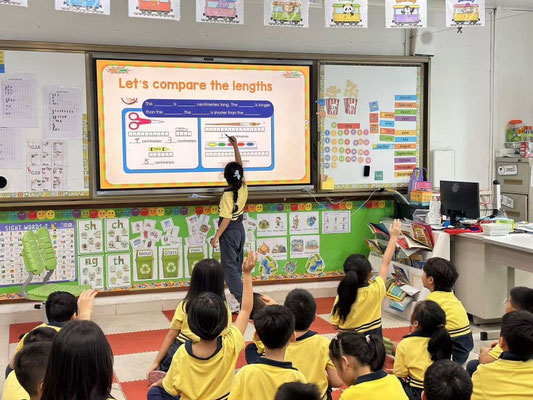
Math is everywhere around us, even in the everyday objects we see and touch! Recently, the students of 2.5 embarked on an exciting hands-on learning adventure as they explored the wonderful world of measurement in our latest math unit.
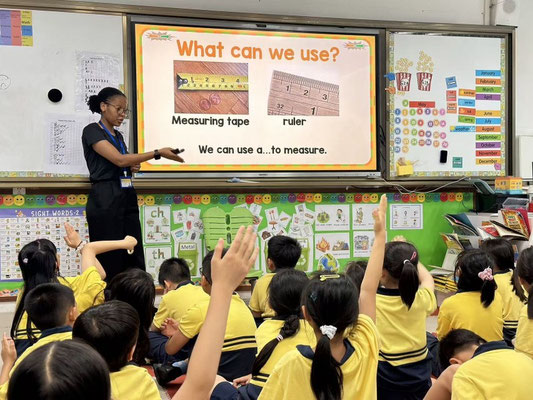
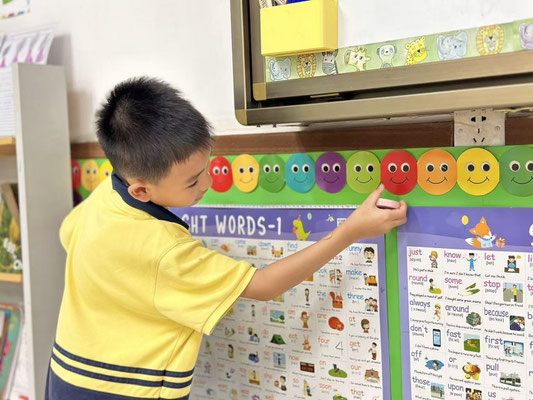
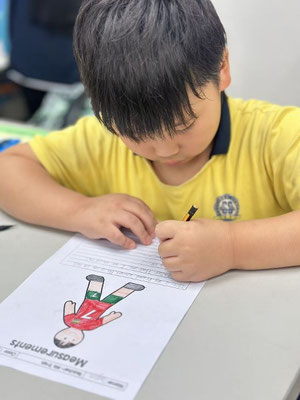
To kick off the lesson, the students discovered that the world uses many different units of measurement. Our main focus for this unit was centimeters (cm), a practical unit we use constantly in our daily lives! Students learned all about what a centimeter is, when to use it, and how it helps us describe the length of objects accurately. They became familiar with essential measuring tools, including rulers and measuring tapes.
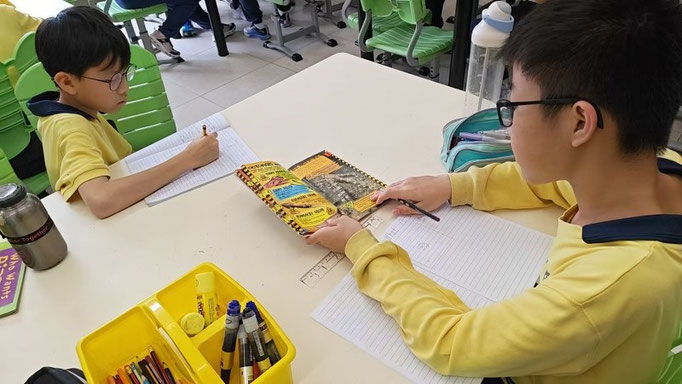
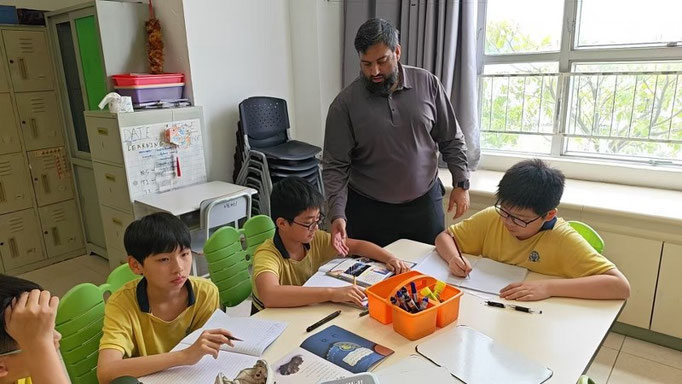
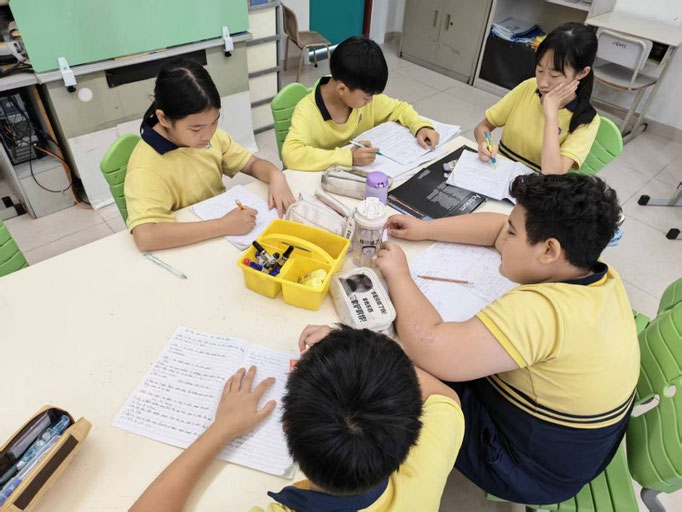
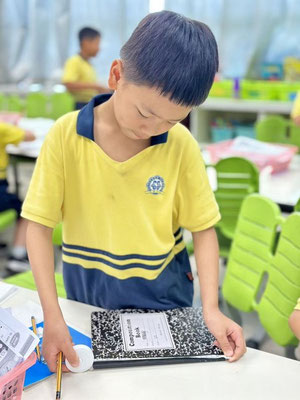
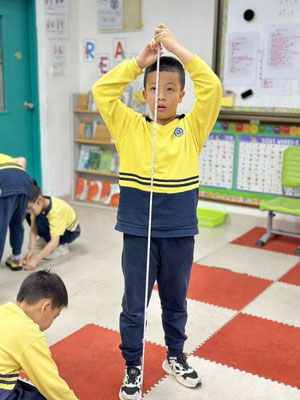
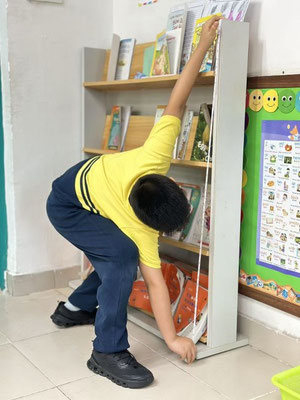
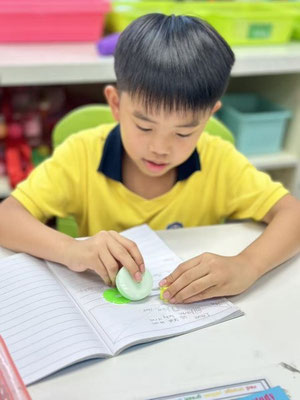
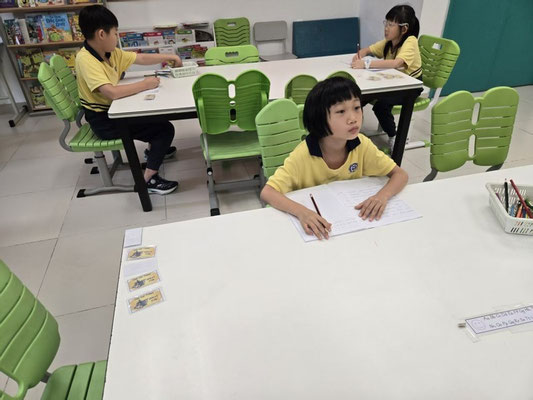
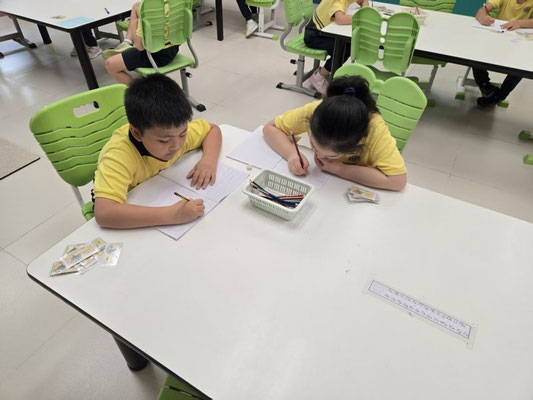
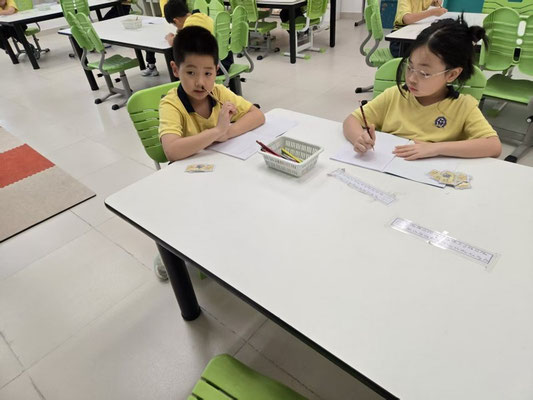
The real fun began when we turned our classroom into a mini measurement exploration zone! Equipped with their rulers and measuring tapes, the students set off on a lively mission to explore every corner of their classroom. They measured desks, books, stationery, and all sorts of classroom items, carefully recording lengths and comparing different objects. The students discussed which items were long or short, and analyzed the differences in their sizes, turning basic math learning into an interactive adventure.
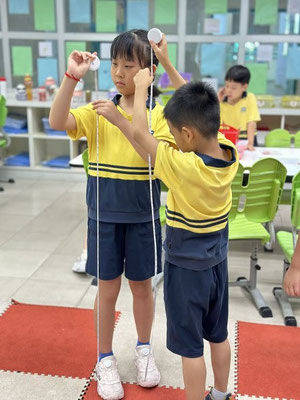
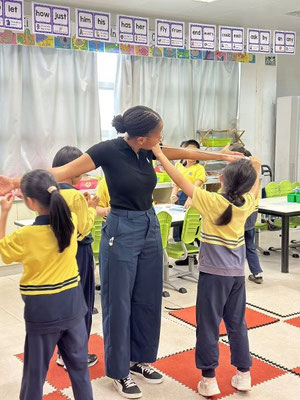
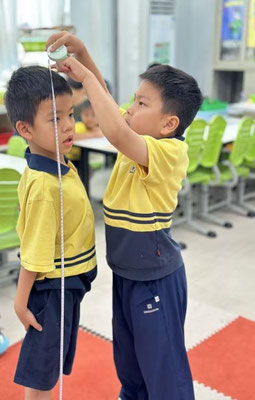
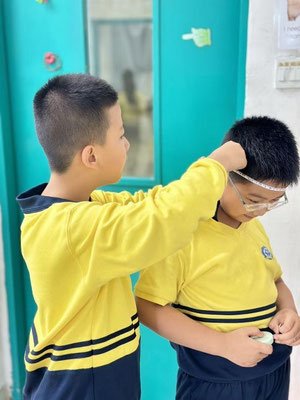
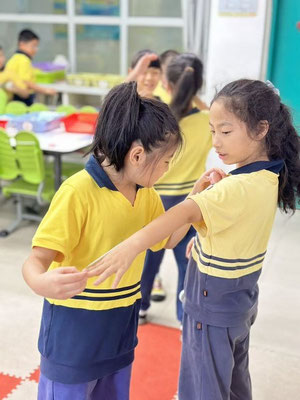
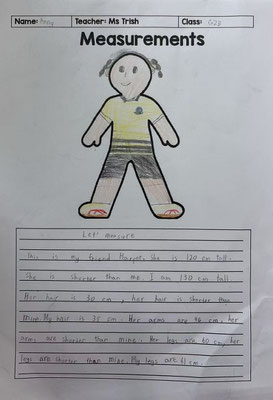
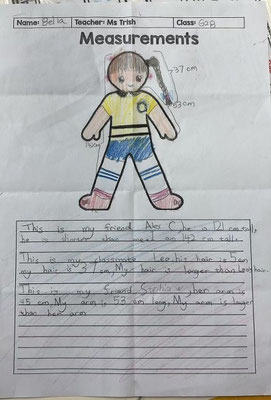
To make the lesson even more joyful and memorable, we added a fun social twist to our measuring practice! Students paired up to measure their classmates and even their teachers. This activity helped kids apply their new skills in a playful way, while building confidence in their measuring abilities.
It was truly a fantastic day of hands-on learning, discovery, and fun!
Ms Antasha Grade 5 (June, 2026)
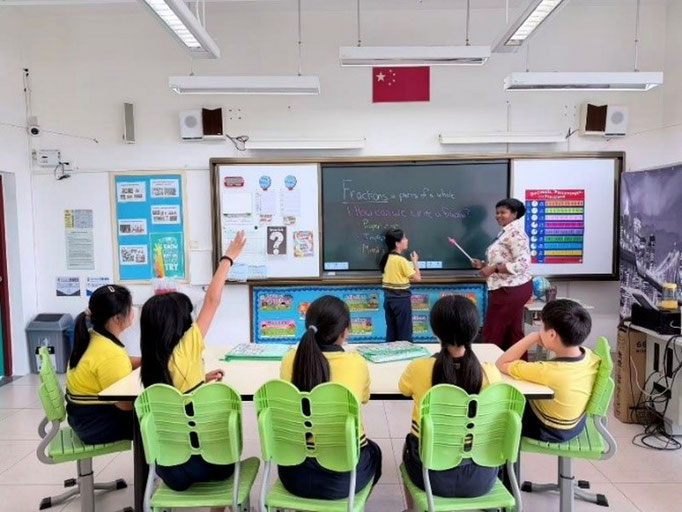
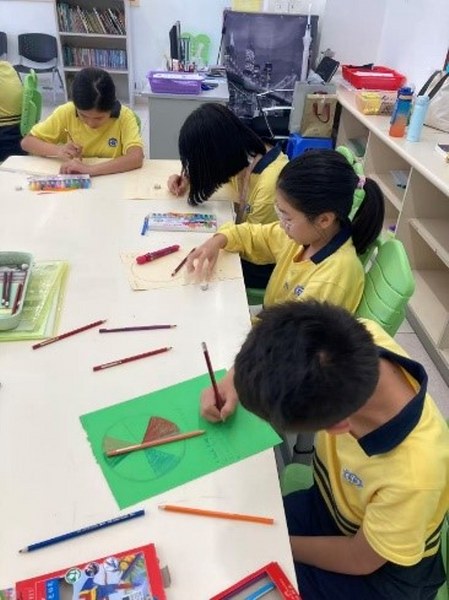
Life by the Slice
Have you ever wondered how to apply mathematical lessons to daily life outside of basic arithmetic? You’re in luck! Whatever your age or topic, we can organize, structure, or simply adjust any part of your life with fractions.
We introduce this idea when looking at parts of a whole, expressed in fractions, decimals, or percentages. The whole in this instance could be a school day, time with an activity/hobby, or saving money for something special.
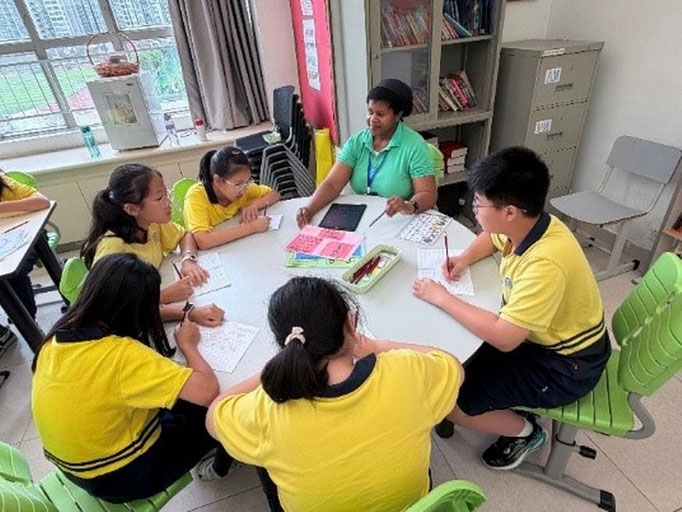
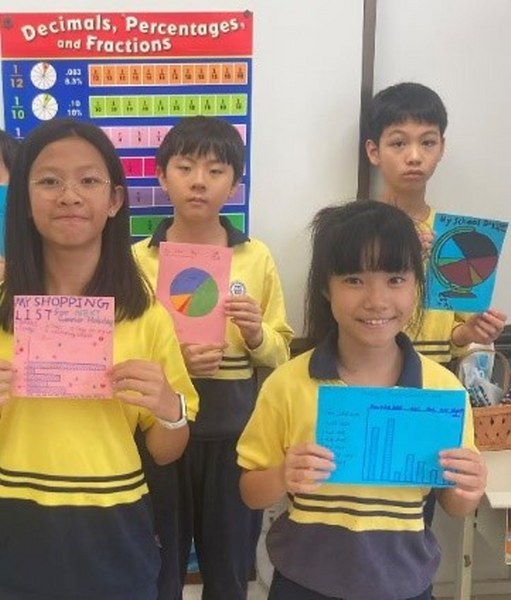
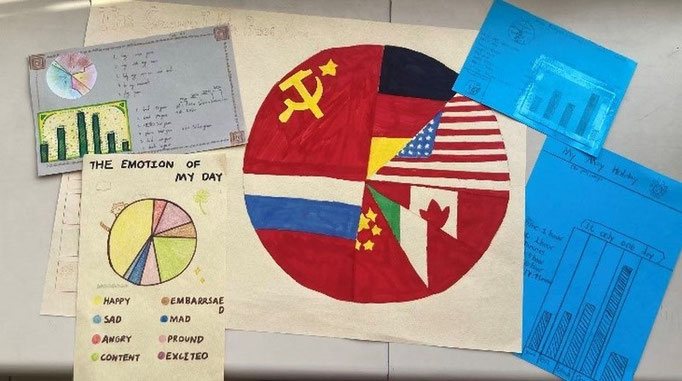
In this lesson, our class began with a homework debate. Most of us chose to breakdown the amount of time each weekday or weekend day is spent on homework versus hobbies, play, or other activities. Others chose to chart their sport practices, their plans for the summer holiday, or how they could find more time to play with friends.
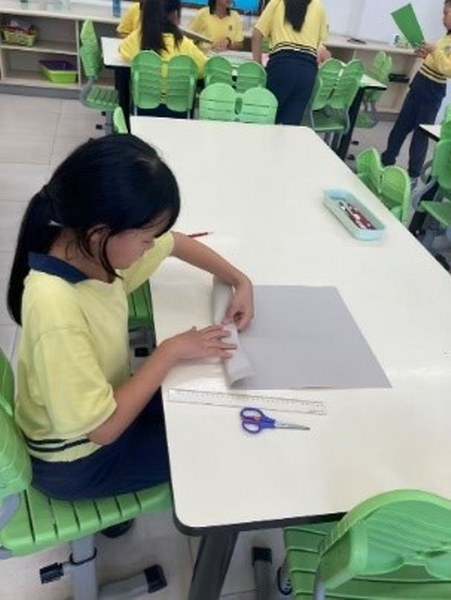
We can also use these same skills to create various financial budgets. It is easy to see how we spend our time and money when we chart our information/data {line graph, pie or bar charts, etc.} in order to see where we can make adjustments for our desired outcomes.
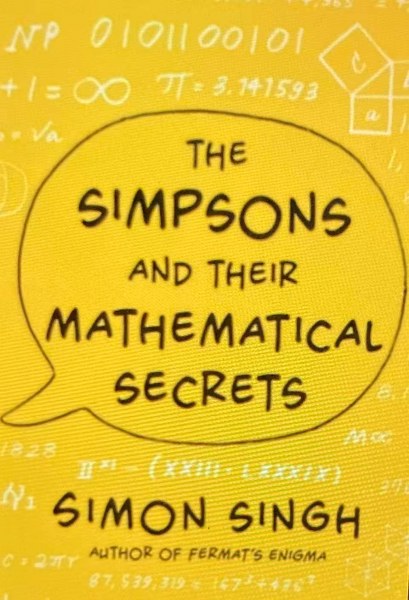
Mathematical applications can be entertaining as well. There are some book titles that look at the maths behind cartoons and major errors made when calculations have gone wrong. Whatever your feelings are about the subject, we hope you can pick a topic, break it into parts, and examine the pictograph you create to make adjustments or confirm you are on the right track.
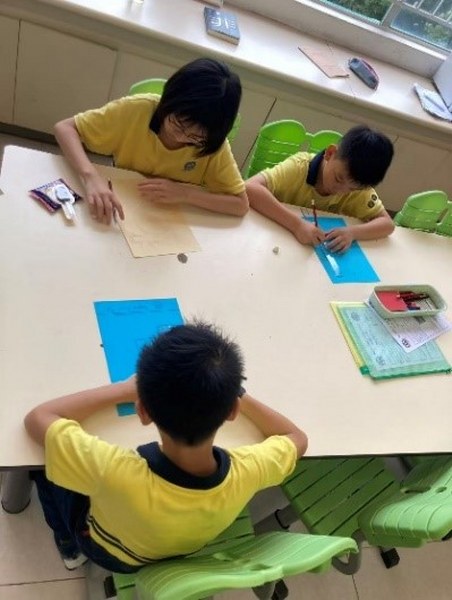
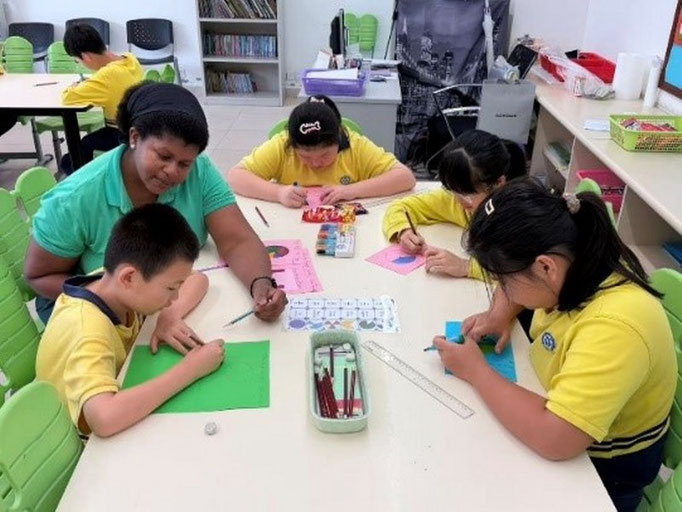
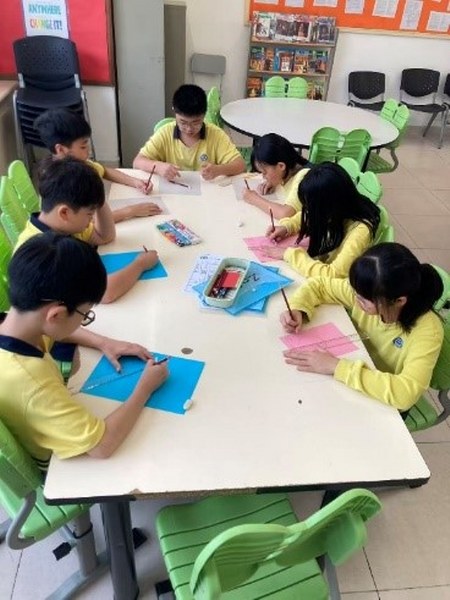
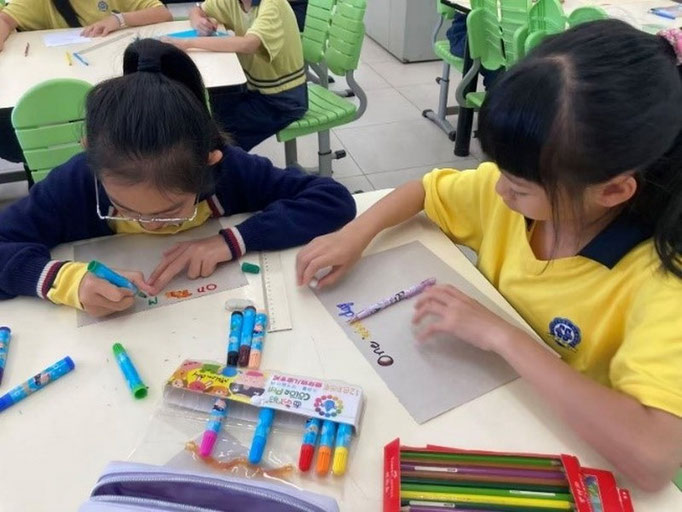


Ms Akaysha UELS (May, 2026)
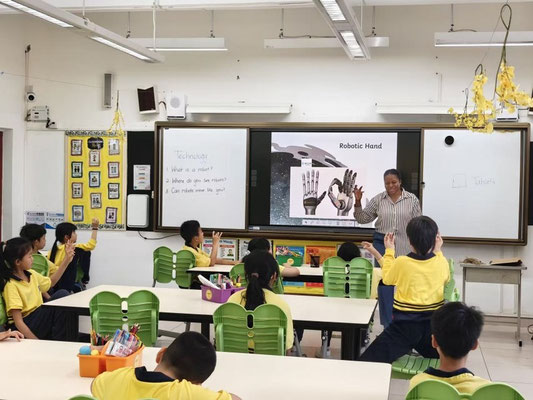
Future Engineers in Action: We Build Robotic Hands!
There was a wave of excitement in the classroom as students transformed into young engineers during a thrilling technology lesson!
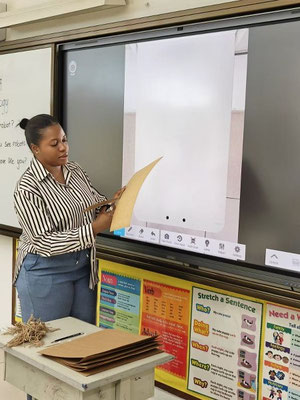
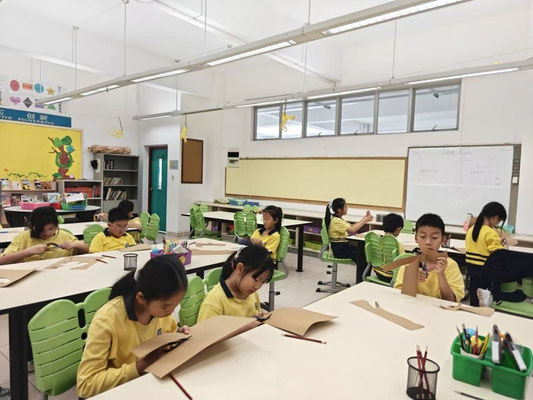
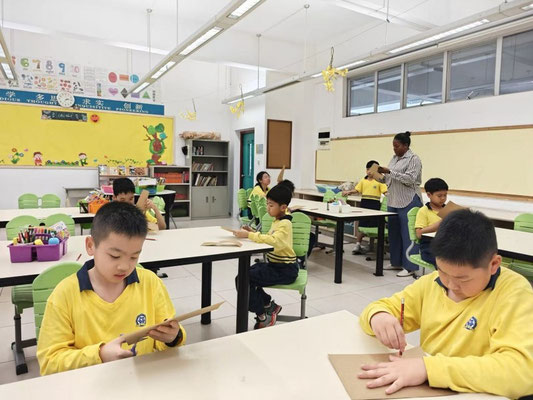
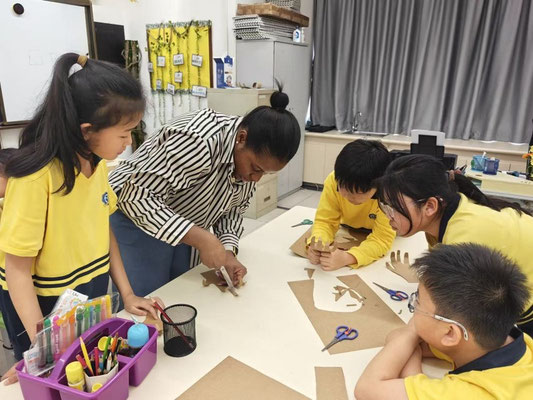
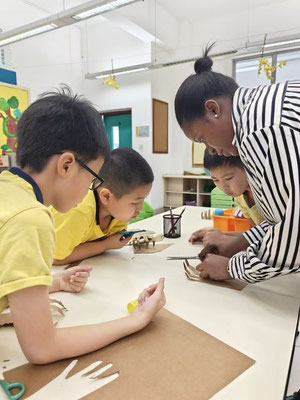
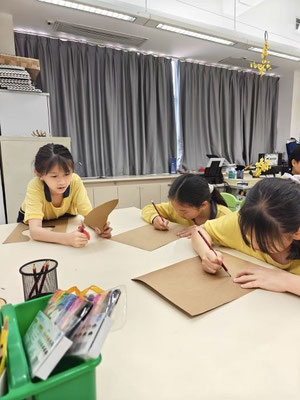
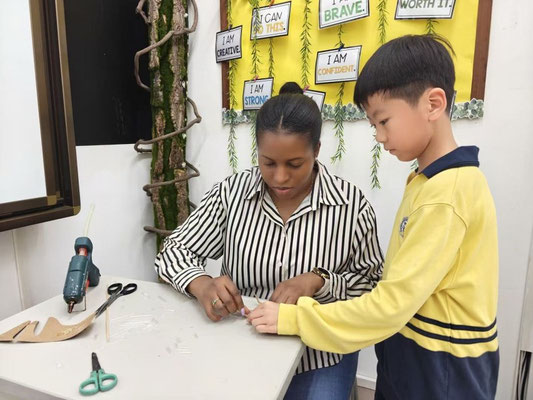
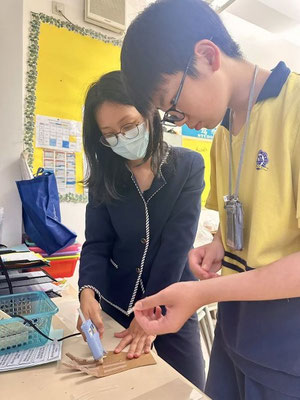
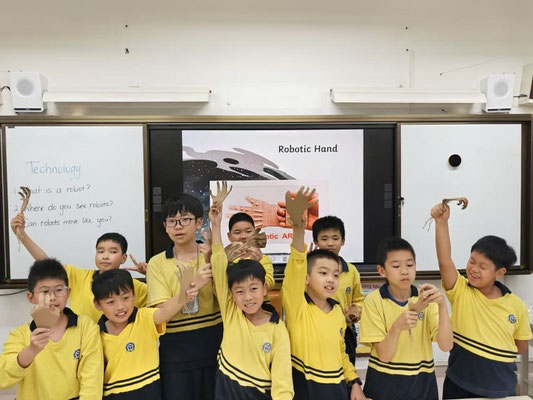
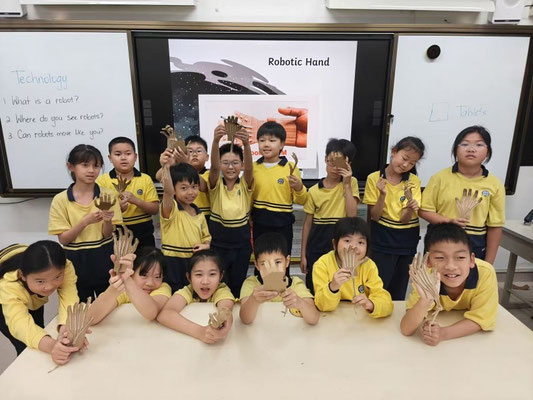
Instead of simply reading about robots, our students took on an exciting challenge to design and build their own robotic hands. With cardboard, straws, string, and determination, each student worked independently to create a moving model inspired by the human hand.
The lesson began with students exploring the power of technology and how engineers design machines that replicate human movement. They examined their own hands, bending their fingers and observing how they move. This exploration sparked curiosity and set the stage for the big build.
Then, the classroom became a buzzing workshop. Students practiced listening to instructions and following steps carefully.
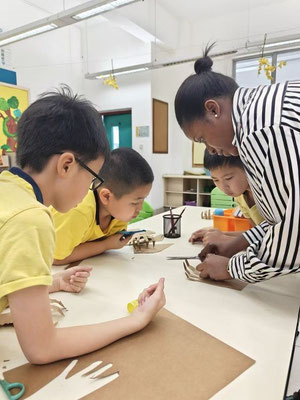
Carefully tracing and cutting their hand shapes, students focused intensely on every detail. Piece by piece, they constructed their robotic models. The room was filled with concentration, creativity, and anticipation.
And then — success!
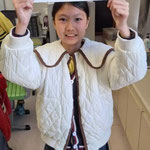
As students gently pulled the strings attached to their creations, cardboard fingers began to bend. Smiles spread across faces. Eyes widened with amazement. The sounds of “this is so cool” filled the air. What started as simple materials had become a moving robotic hand.
Working independently gave each student the opportunity to challenge themselves, think critically, and take pride in their own achievement. Though they had to be assisted in using the glue guns, to ensure that their creation wouldn’t fall apart, and for safety reasons. The activity combined technology, creativity, and English learning in a powerful way.
One thing is certain: the future is bright. Our classroom is filled with innovators, problem-solvers, and future engineers ready to shape tomorrow’s world!

Mr Little Grade 4 (May, 2026)
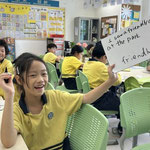
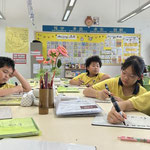
Learning Phonics, Suffixes and Prefixes
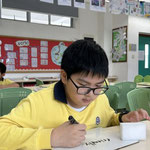
One particular challenge for mastering reading English is that Chinese literacy requires completely different skills to English. Chinese might have Pinyin, but that’s still not really phonics. In English we need to understand how words are put together so that we understand what we read or be able to write what we want to say. Memorization is useful, but actively encoding and decoding word parts is really how it’s done.
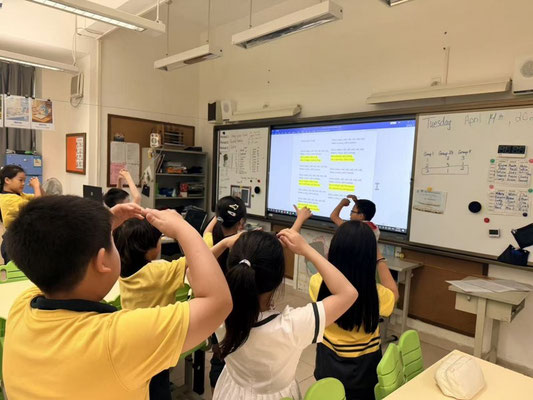
We like to warm up singing along with a silly song that everybody can follow.
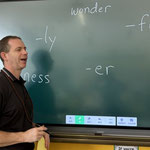
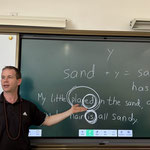
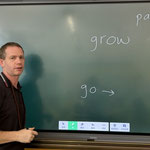
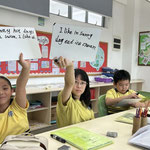
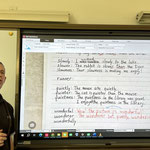
Then we start breaking apart words. Suffixes and prefixes are bits of meaning we add to a word to guide the meaning. We take each word and divide it into its meaningful parts.
Doing drills repeatedly helps make recognizing the prefixes and suffixes automatic.
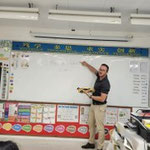
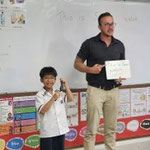
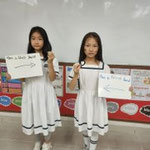
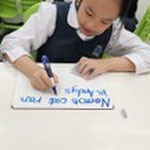
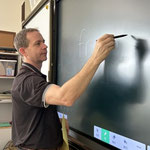
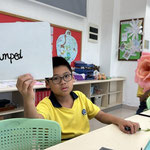
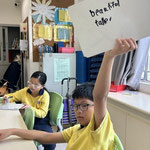
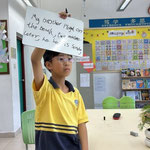
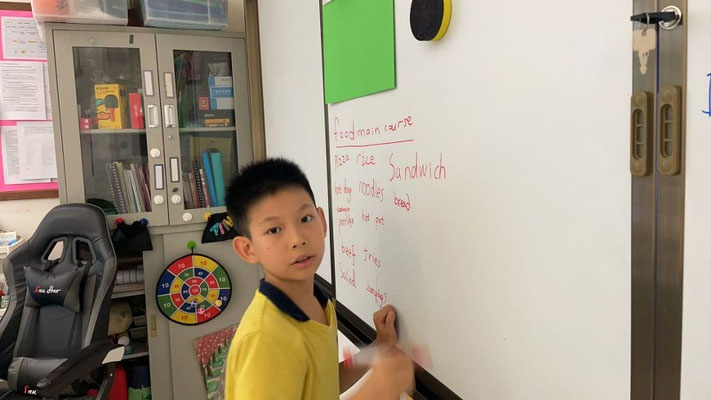
We like to use whiteboards for these drills. The teacher writes a word on the board, and the students quickly cut it into its parts. We keep the rhythm fast and give out lots of points for speed and correctness.
The end result is that we can pick out the meaning of many words in a sentence by analyzing the word instantly.
Finally writing free-form sentences, building words and sentences on our own. Doing these drills, at least a little every day or every other day leads to stronger retention and automatic understanding when looking at words.
Once a student can write a few free-form sentences, what’s stopping them from stringing these sentences together to tell simple and short stories? Nothing!
They got this! The students should be very proud of the hard work that they put into their reading and writing lessons! They can do it! Keep up the good work!

Mr Ryan Grade 6 (May, 2026)
From Circles to Solids: Robot designers!
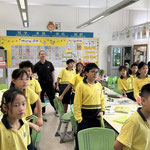
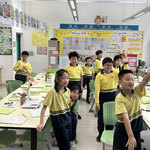
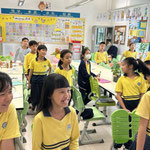
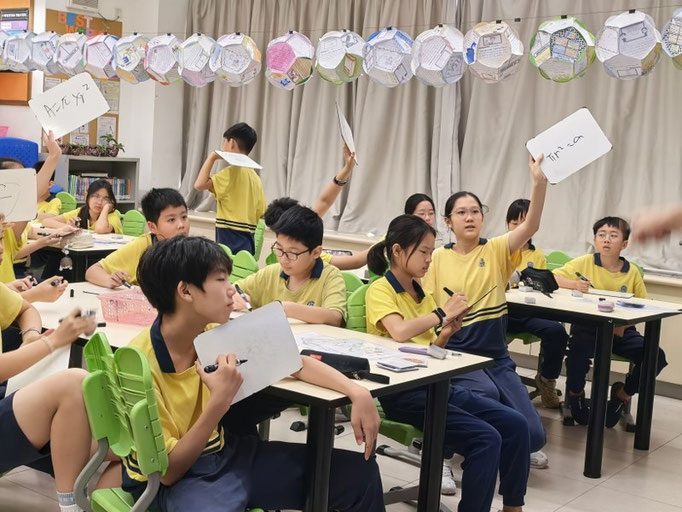
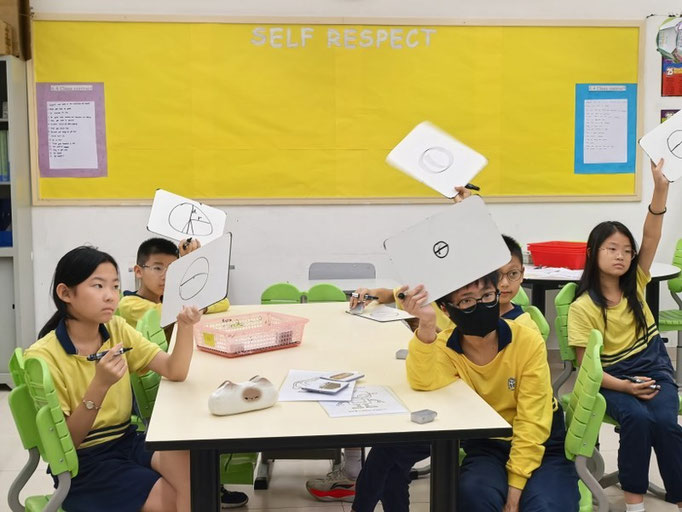
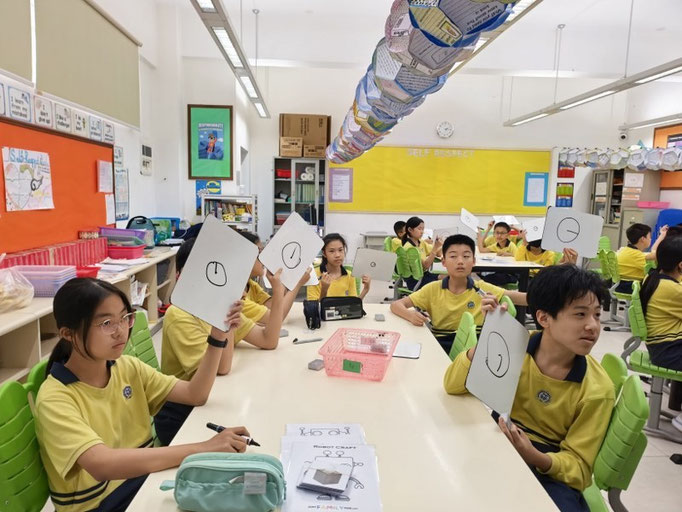
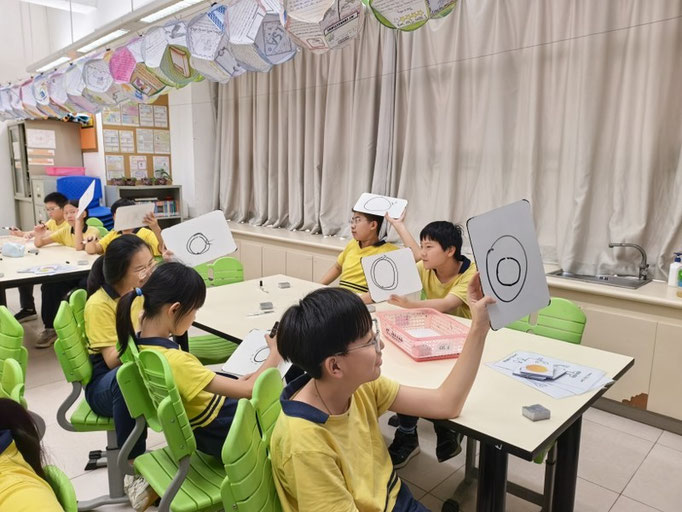
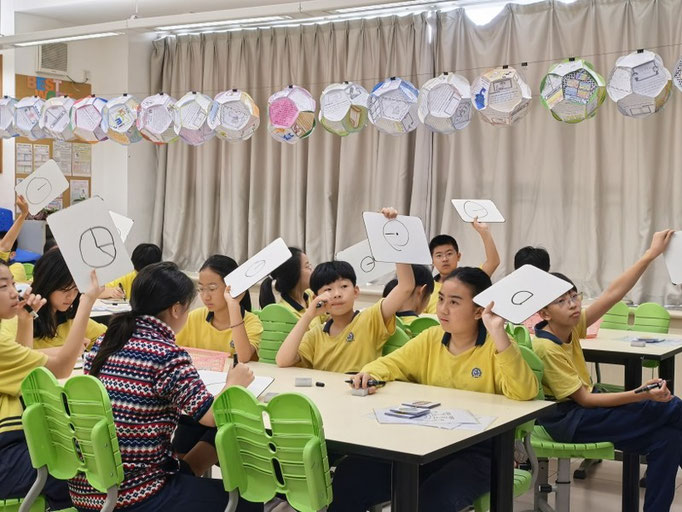
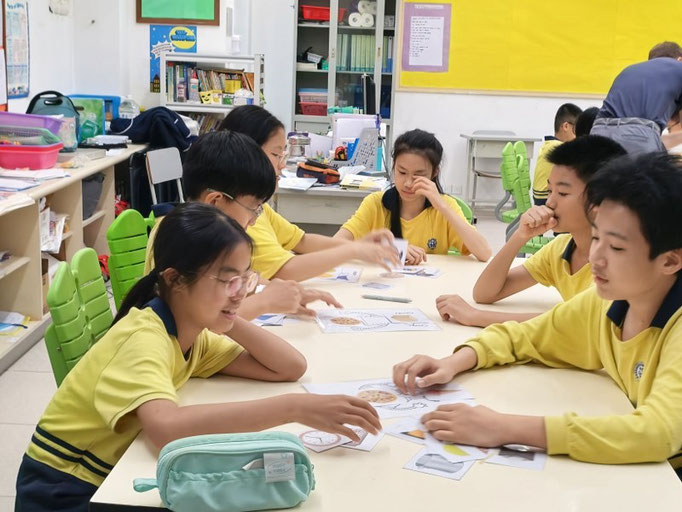
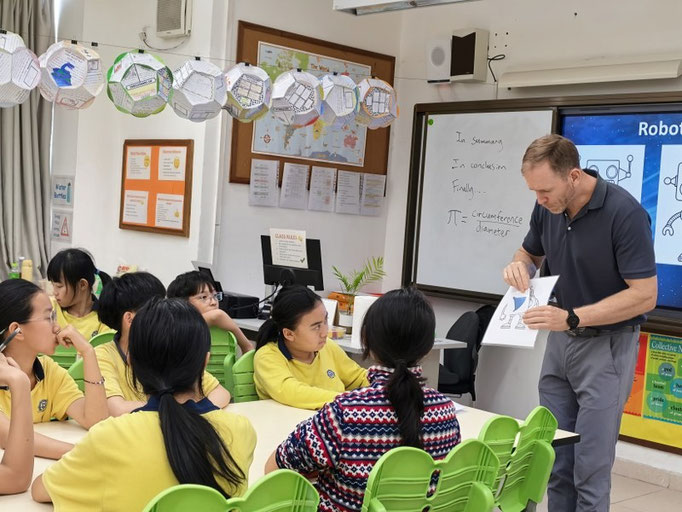
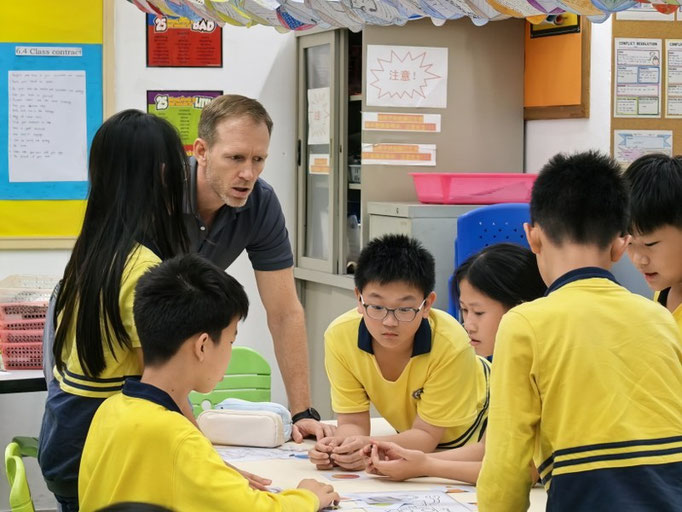
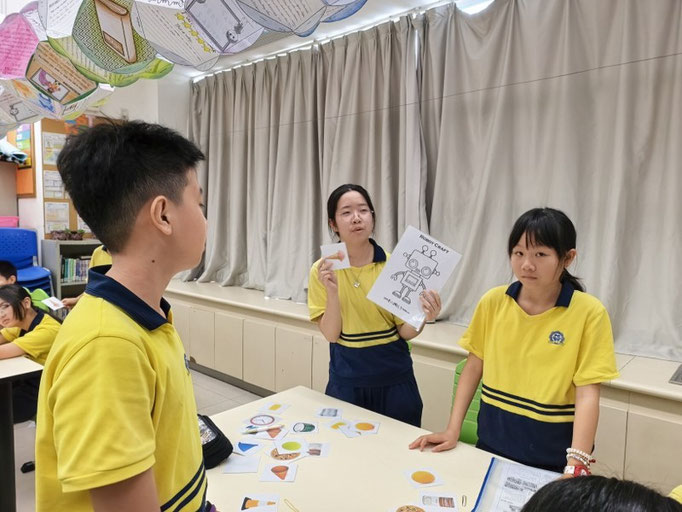
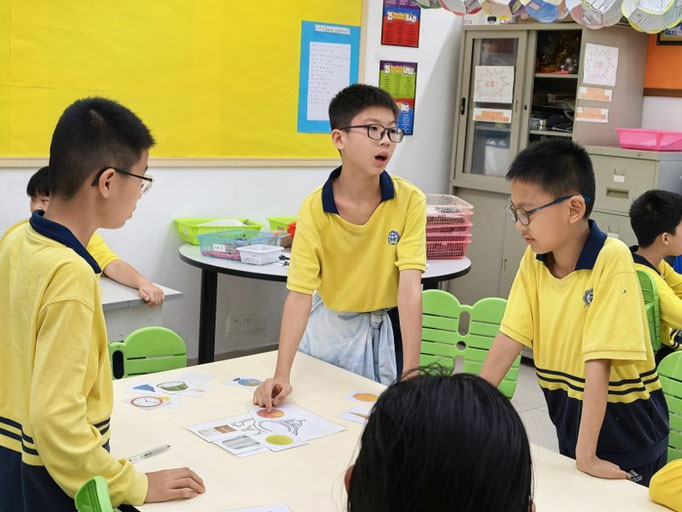
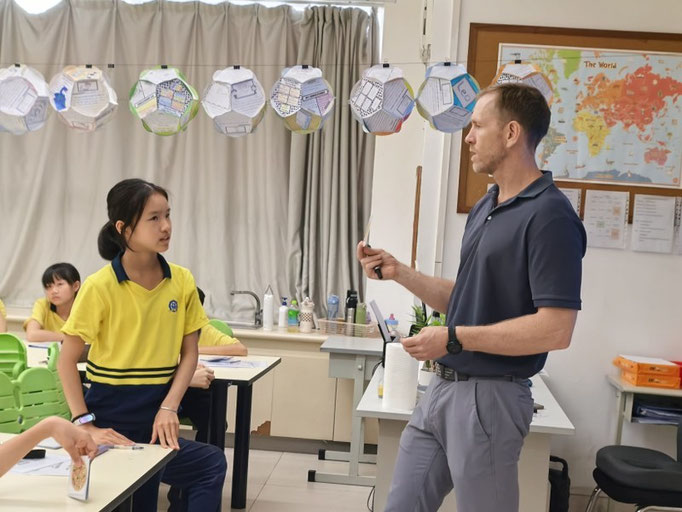
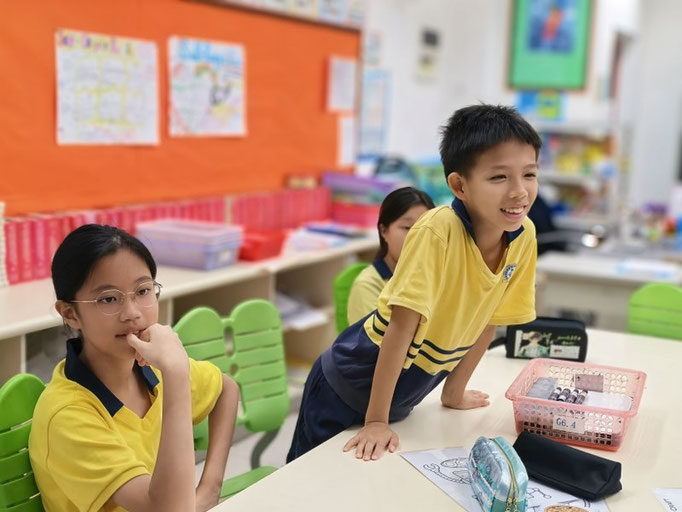
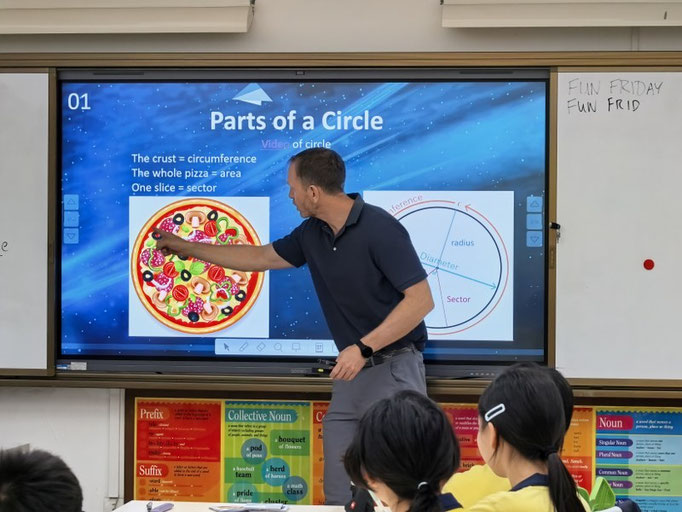
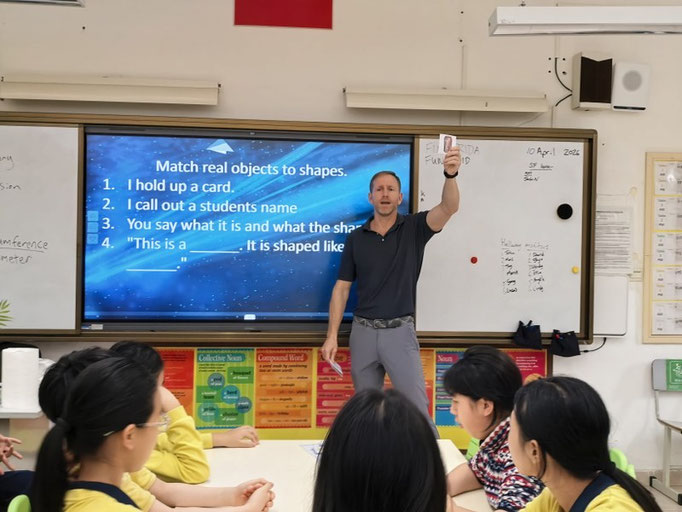
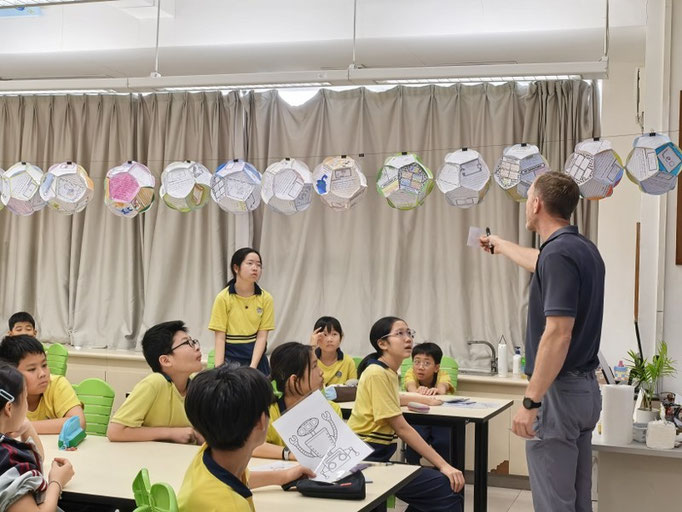
This 40-minute geometry lesson for Grade 6 students teaches the characteristics and vocabulary of circles (perimeter, area, sector, diameter, radius) and connects them to the solid shapes of spheres, cylinders, and cones. The class has about 30 students working in 15 pairs with clearly defined Student A and Student B roles to ensure every student demonstrates language usage. The lesson begins with a whole-class vocabulary activation where students chorally repeat shape names and draw parts of a circle using their whiteboards.
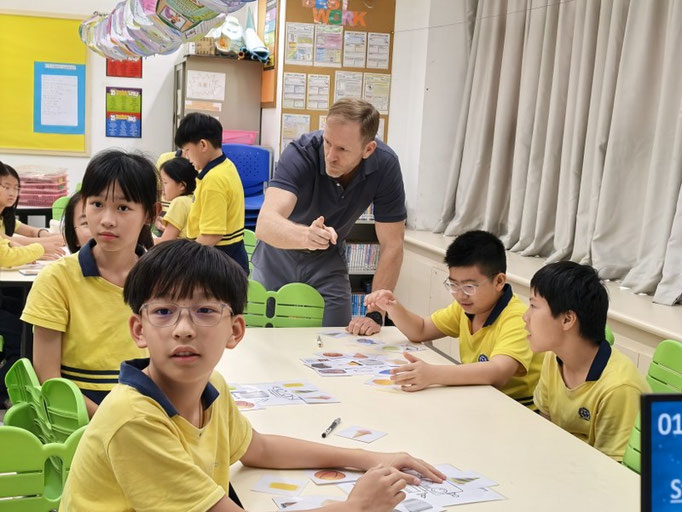
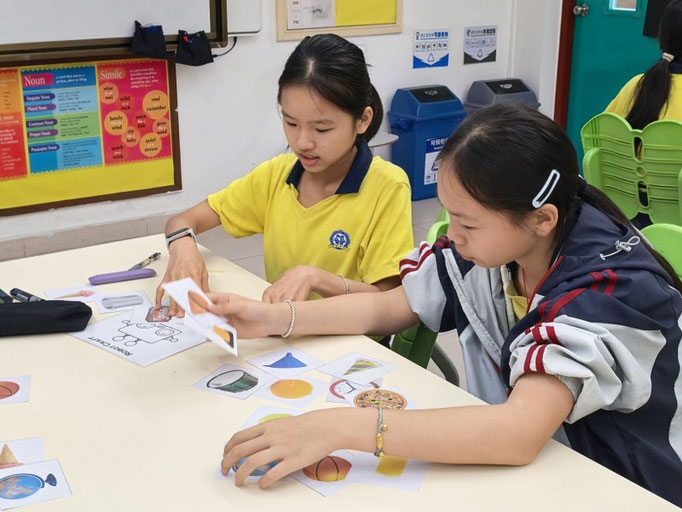
Next, the students take turns to name shape parts, what real life object they are, and produce complete sentences using sentence frames. Every student speaks during this structured exchange. Students then become "Robot Designers," matching real-life objects (wheels, soda cans, basketballs, party hats) to their corresponding shapes. Each student places objects on a robot template, explains their choices aloud, and writes labels using sentence frames such as "The robot has a cylinder for its body." This connects abstract geometry to tangible, real-world examples.
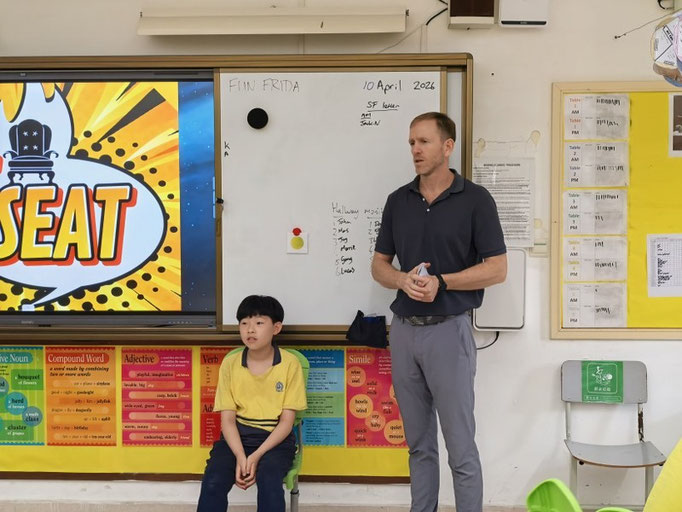
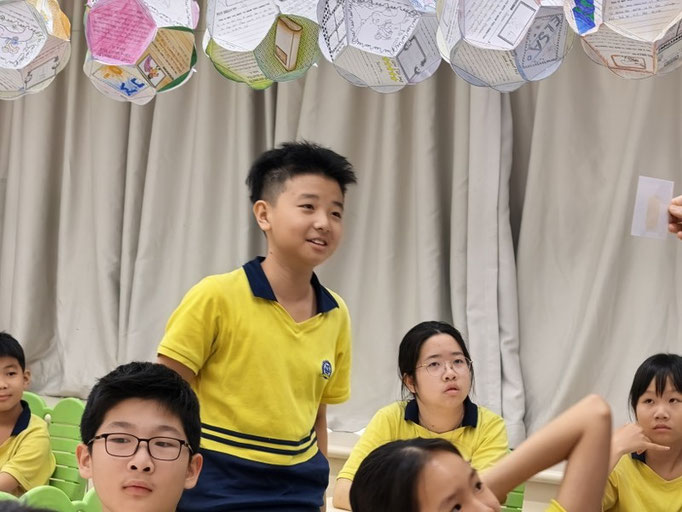
The lesson concludes with a whole class “hot seat” game. This is a game where one student has an image behind them and guesses what it is e.g. one of the real-life shape examples, while their teammates give clues without saying the actual word. It’s great for revising the vocabulary from the lesson and encouraging class communication. The lesson integrates visual supports, kinesthetic movement, pair collaboration, and real-world connections to make geometry accessible and engaging for English language learners.

Mr Ward Grade 5 (May, 2026)
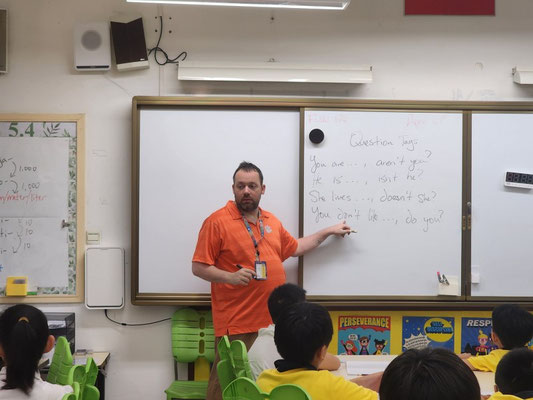
Question Tags: A Fun Grammar Lesson
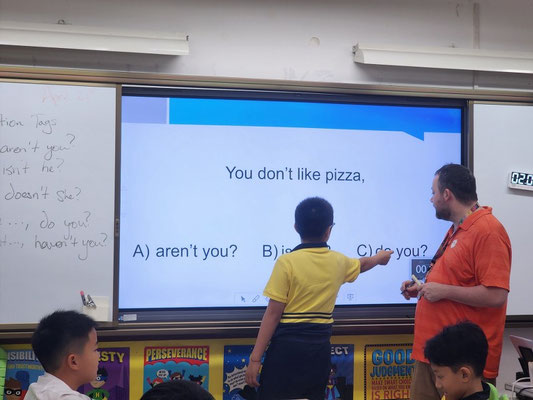
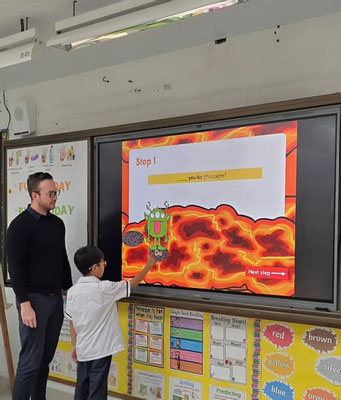
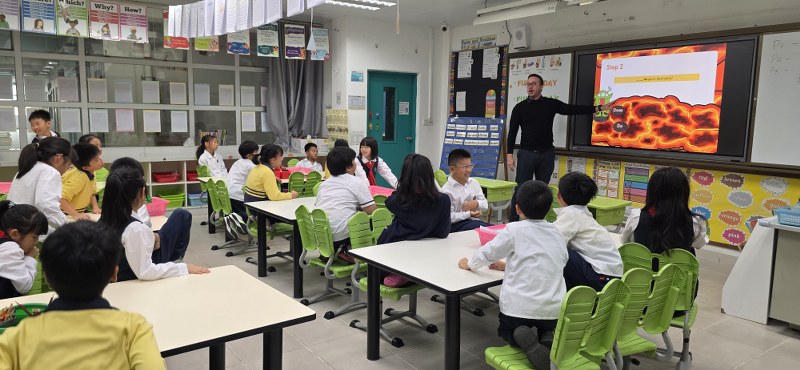
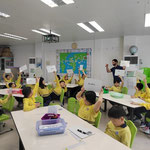
In our Grade 5 bilingual classroom, learning question tags (e.g., “You like pizza, don’t you?”) becomes an interactive adventure.
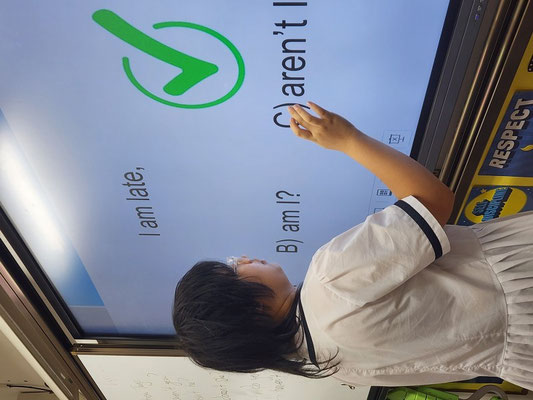
We start with direct instruction: the teacher explains that a question tag turns a statement into a quick confirmation, using the opposite verb form—positive sentence, negative tag, and vice versa.
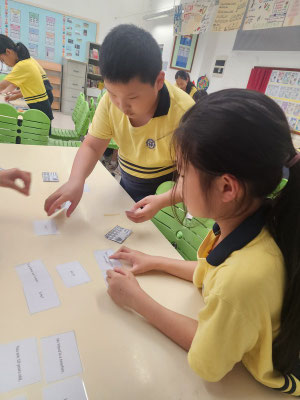
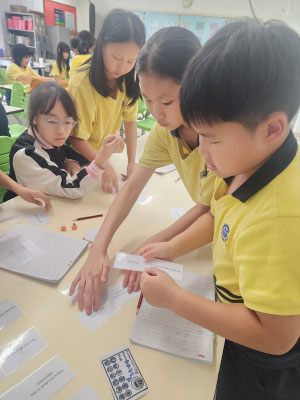
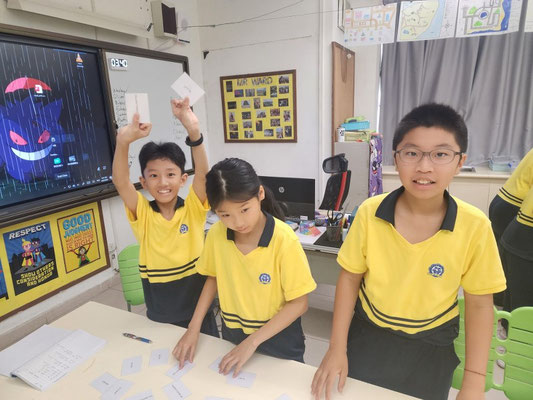
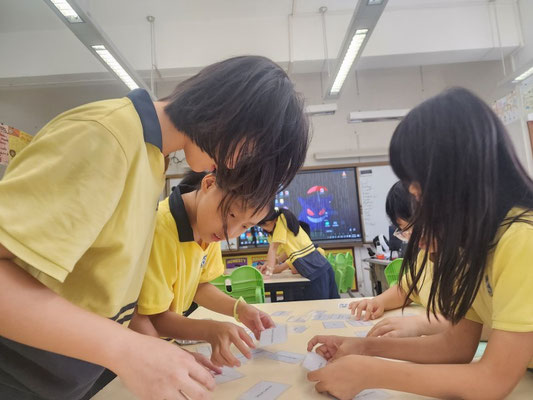
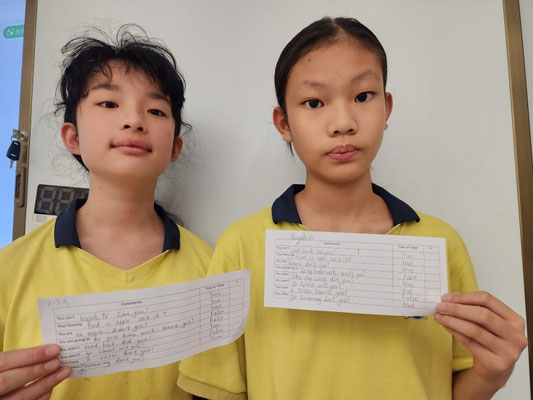
Activity 1: “Tag Team Match”
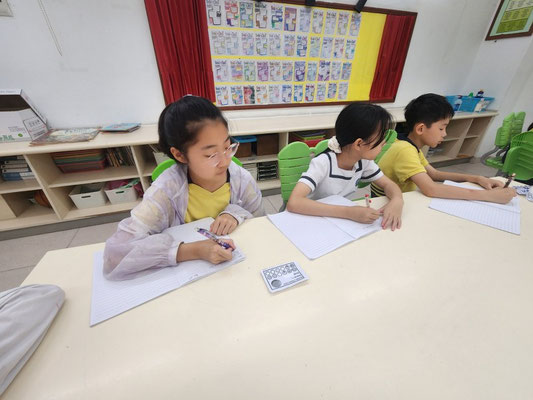
Students receive sentence strips (e.g., “She is a dancer”) and matching tag cards (“isn’t she?”). In tables, they race to match all pairs correctly before the timer runs out.
Activity 2: “Voice Tone Detective”
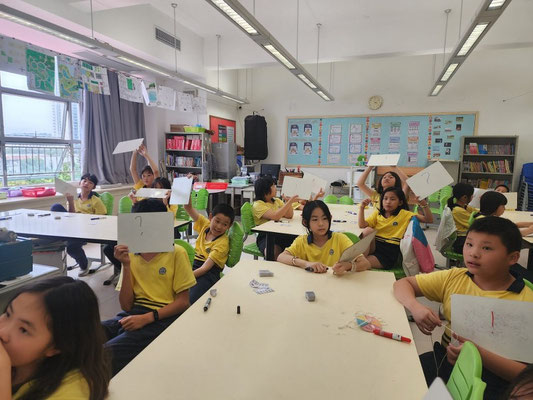
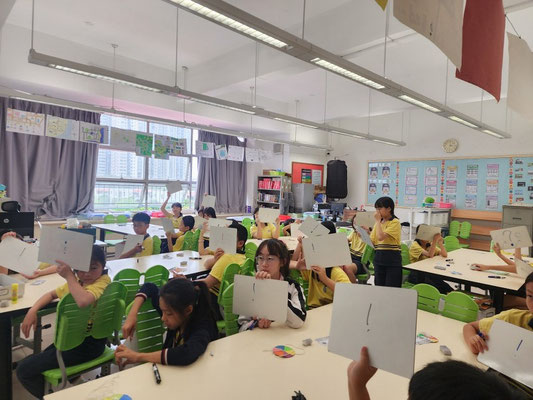
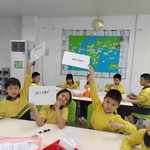
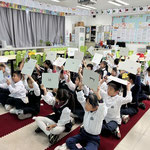
The teacher reads tag questions with rising (unsure) or falling (confident) intonation. Students listen and hold up a “?” on their whiteboards for rising or a “!” for falling.
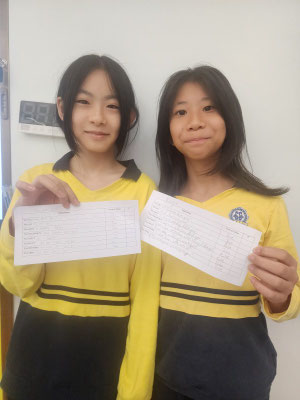
Activity 3: “Speaking”
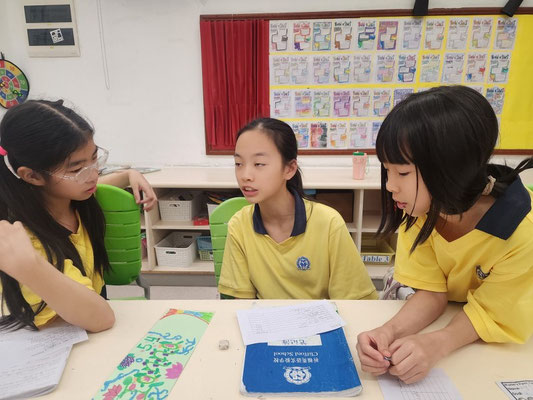
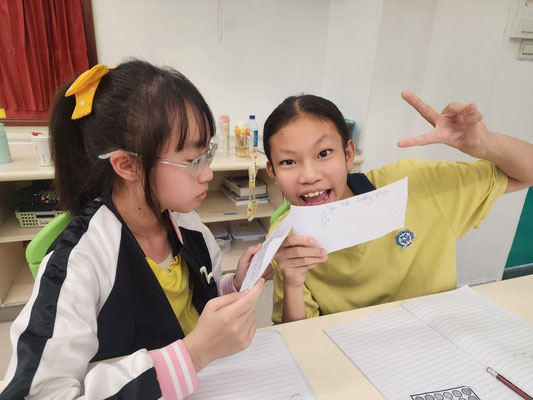
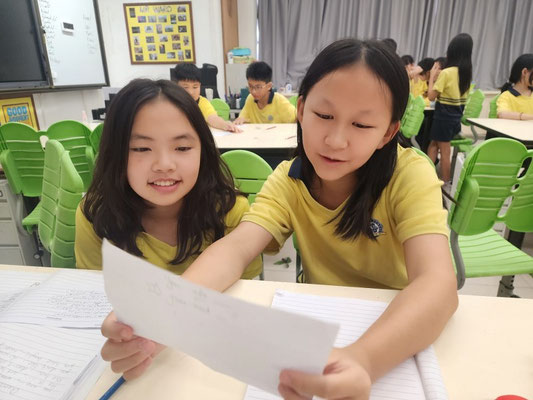
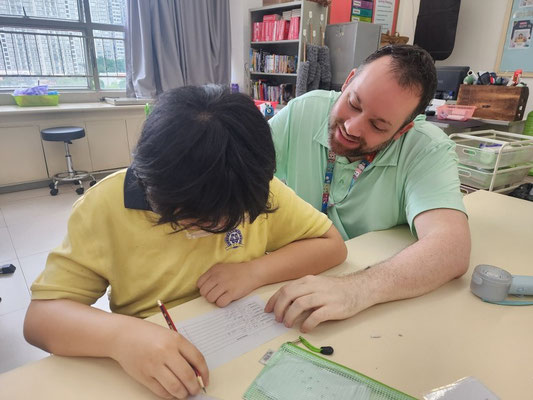
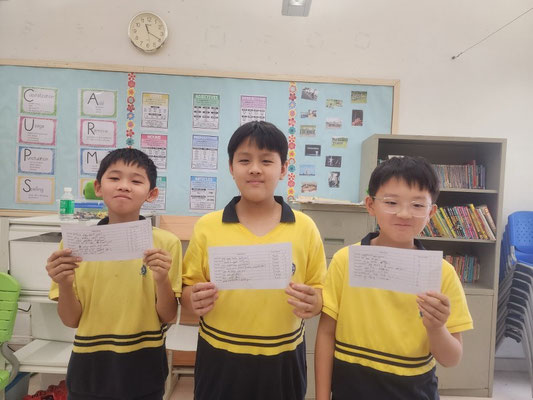
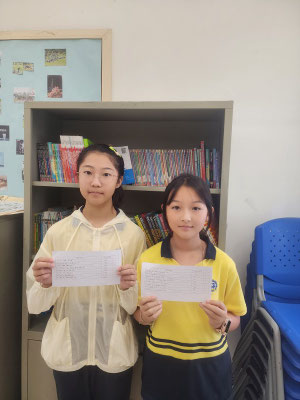
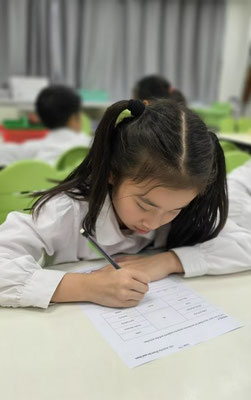
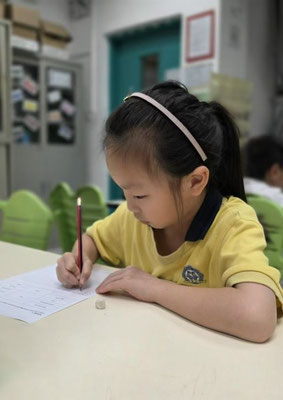
Each student writes down 8 questions for their partner (“You like PE class, don’t you?”), predicts whether the statement is true, and then asks to confirm their answer.
By the end, our young learners confidently use question tags to sound more natural in English—while having a blast!

Mr Hare Grade 3 (April, 2026)
Being an Author

Mr Nathan Grade 4 (April, 2026)
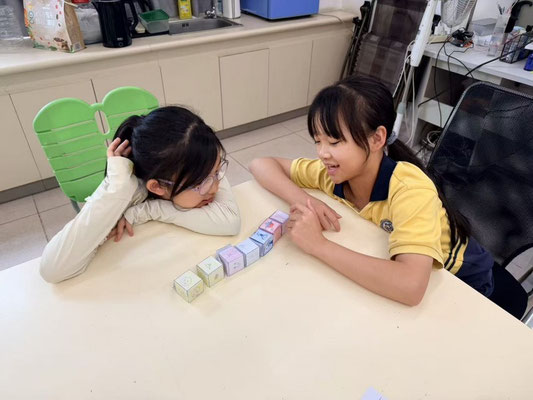
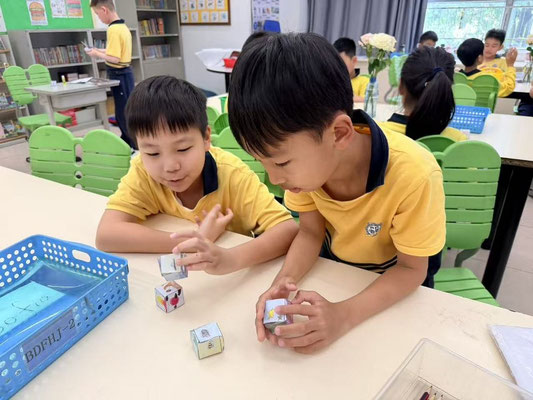
Rolling Into Creativity: Our Story Cube Adventure!
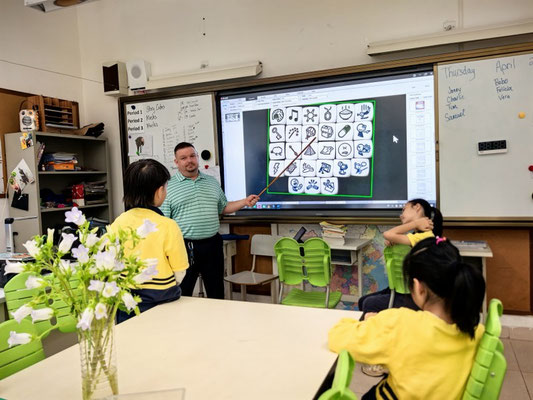
What do a turtle, a
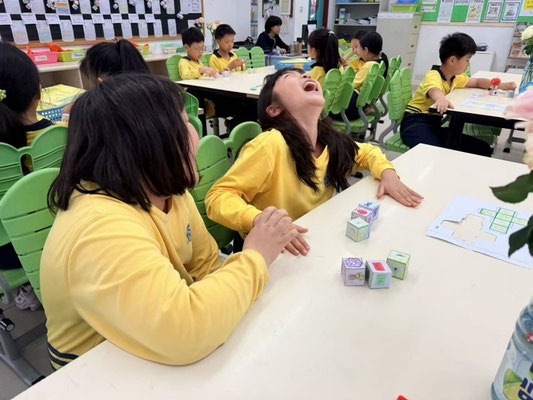
bolt of lightning, and a giggling class have in common? They all helped us tell amazing stories.
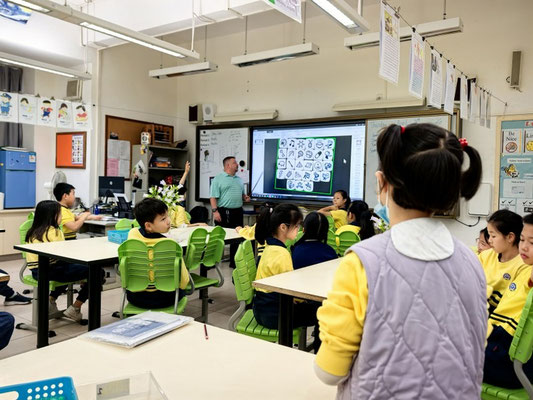
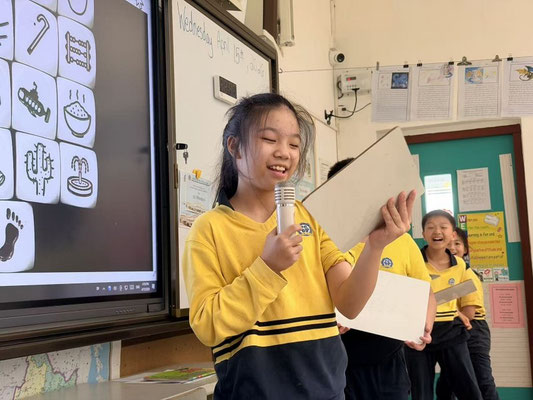
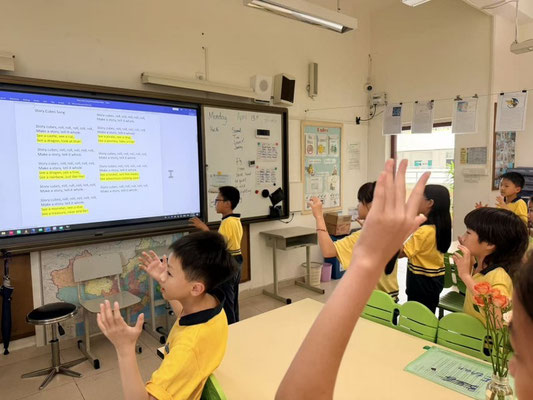
We kicked off by rolling the dice on the overhead and brainstorming vocabulary. That turtle wasn't just a turtle—it meant slow! That lightning? Fast and electricity! Our most creative storytellers jumped in, and we learned a song with a dance: "Story Cubes roll, roll, roll, roll, roll!"
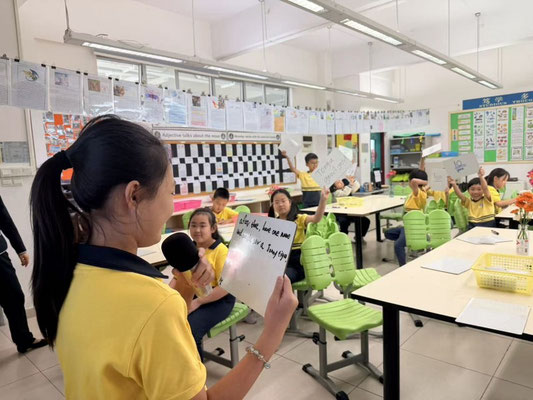
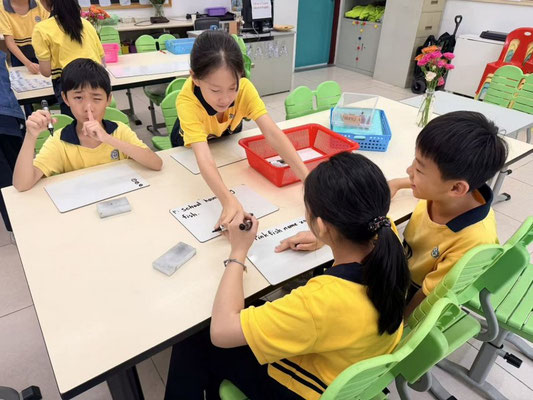
Day 2 turned up the fun: students acted out their stories in groups. Each person added one sentence and performed it—chaos, laughter, and pure creativity followed!
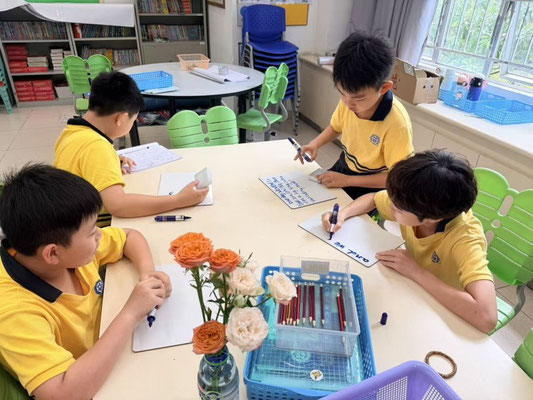
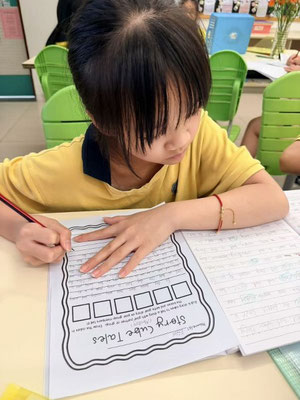
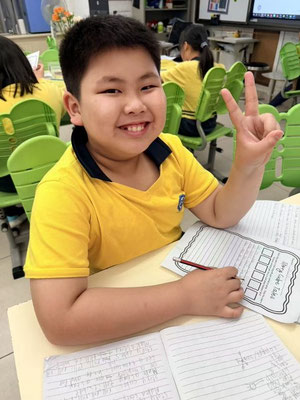
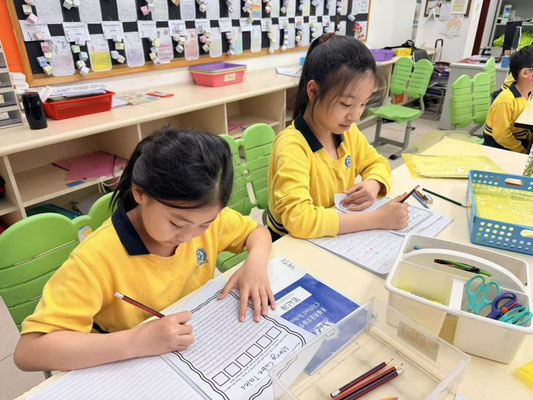
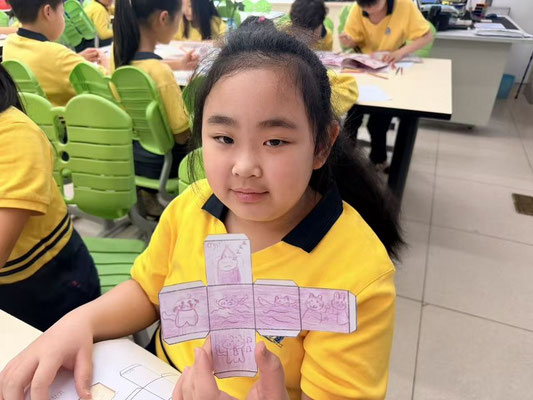
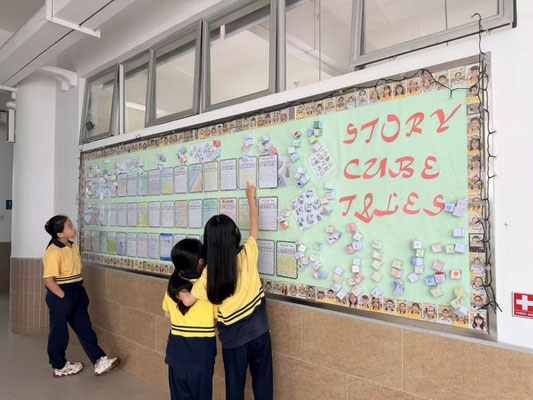
By Day 3, everyone picked six pictures and wrote a rough draft. After teacher check-ins, Day 4 brought final copies—complete with pictures at the top and stories below. We laminated them for our hallway display board.
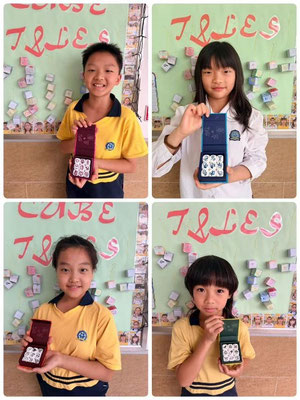
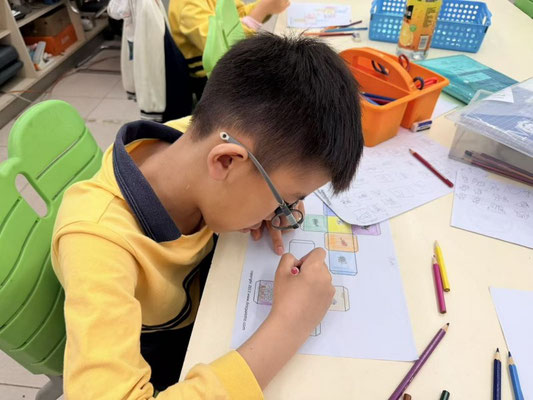
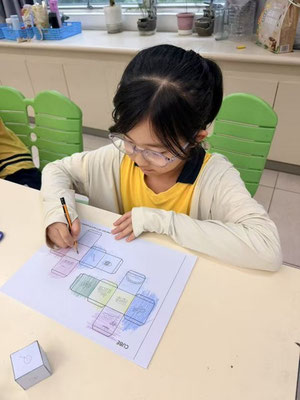
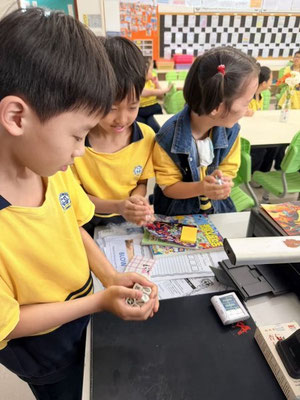
But the best came last: students made their very own Story Cube dice! Now they can roll, create, and tell brand-new fun stories anytime they want.
We now have a hallway of imagination—with homemade dice rolling everywhere!
Ms Megan Grade 1 (April, 2026)
Math Word Problems

Mr Iain Grade 1 (May, 2026)
Helping Young Learners Find Their Voice
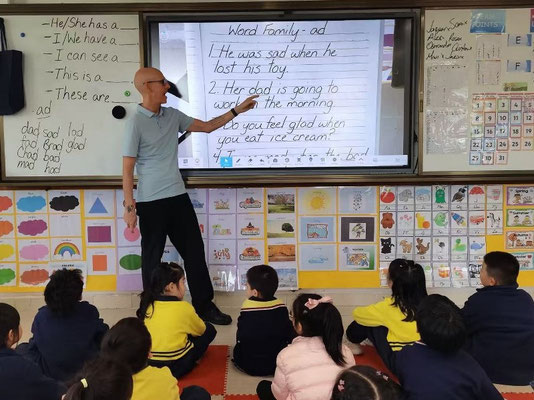
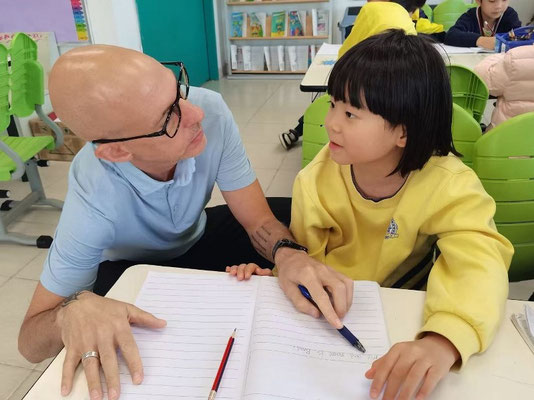
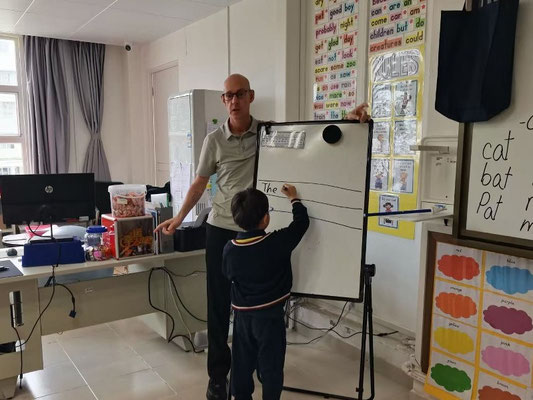
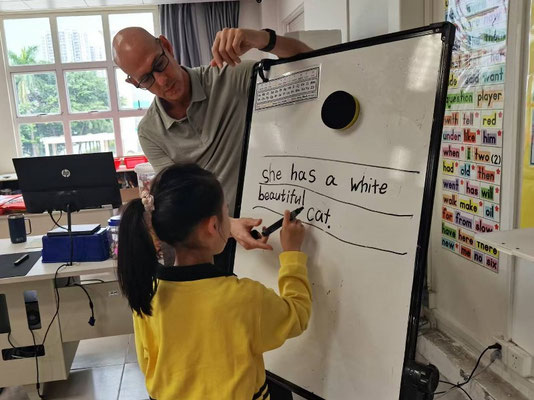
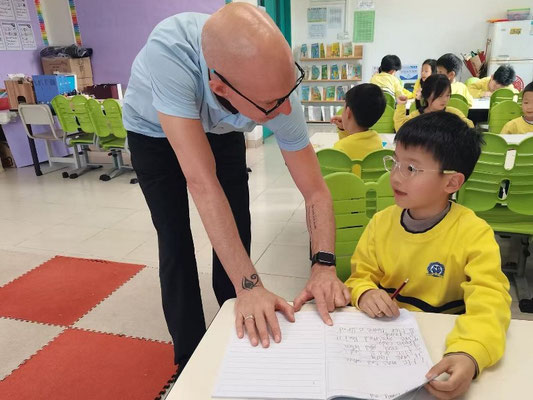
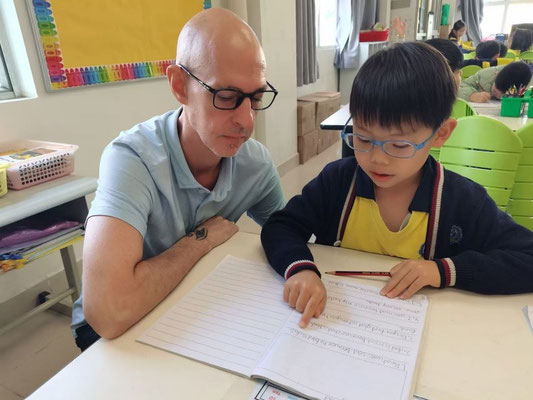
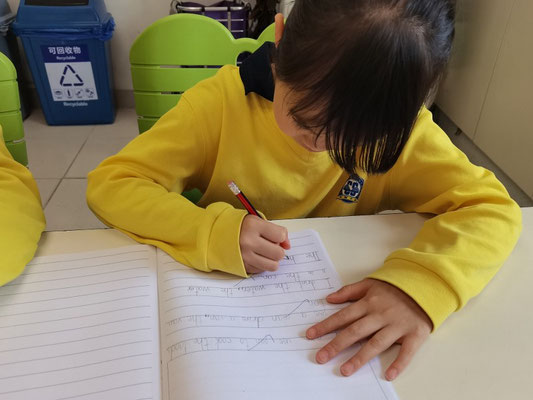
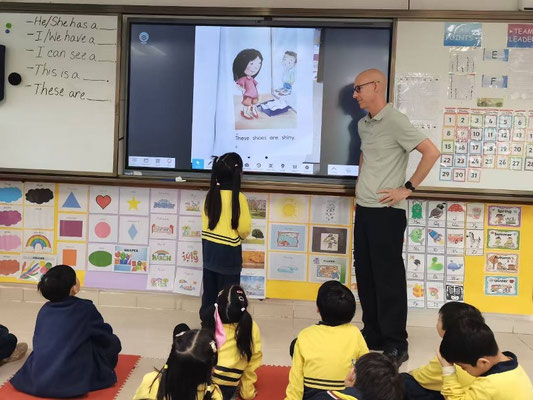
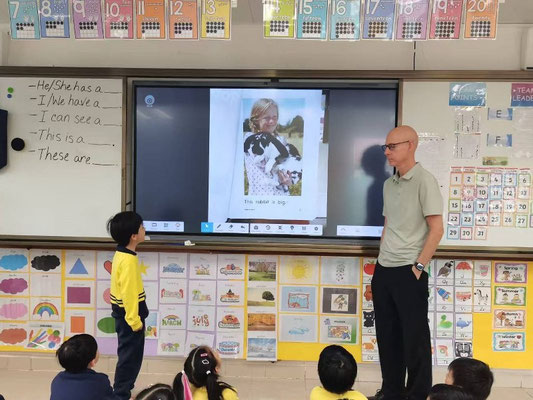
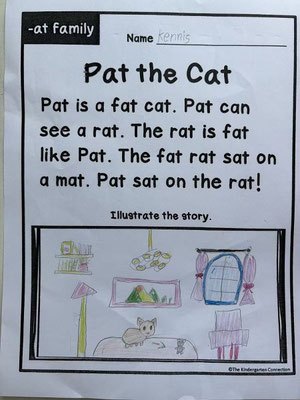
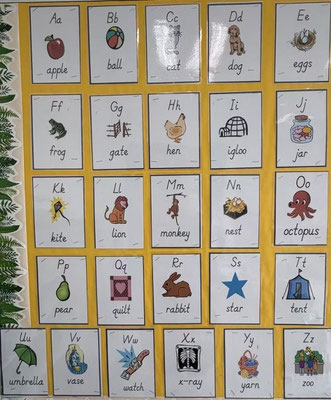
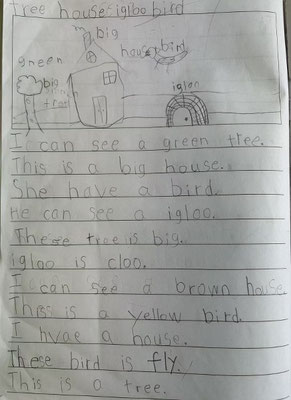
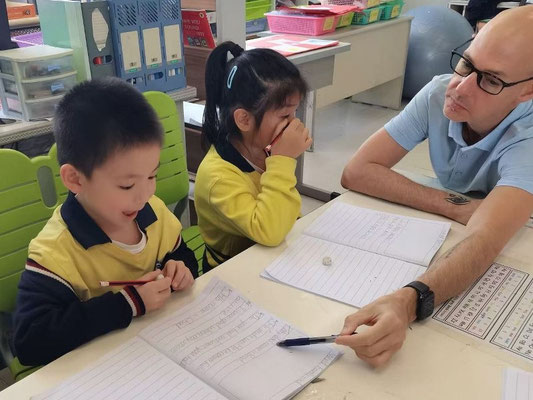
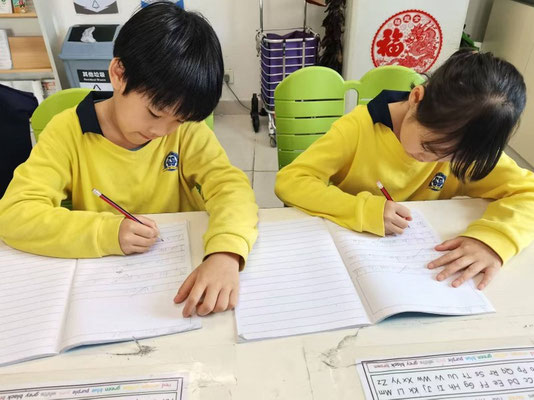
Helping Chinese Grade One students become independent writers in a second language is fundamental for building long-term language proficiency, confidence, and academic success. At this early stage, writing is more than producing accurate sentences; it is about developing the enthusiasm and ability to express ideas without constant adult support. Independence in writing motivates young learners to take ownership of their learning and reduces dependence on memorization and reproduction.
The importance of independent writing is especially meaningful for Chinese learners of English because of key differences between Chinese and English writing systems. English requires phonetic awareness, sentence structure, and adaptable word use, which can feel unfamiliar and challenging. When students learn to write independently, they begin to incorporate these features, strengthening their reading, speaking, and thinking skills simultaneously.
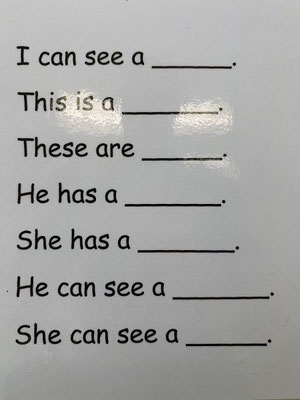
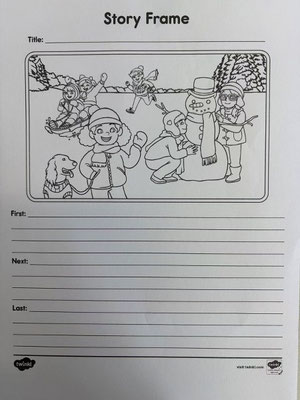
To encourage independence, teachers should first build strong fundamentals through oral language. Speaking activities such as storytelling, role play, and picture discussions help students generate ideas before writing. Next, writing tasks should be highly structured but progressively released. For example, teachers can move from shared writing to guided writing with sentence frames, and finally to free writing with simple prompts.
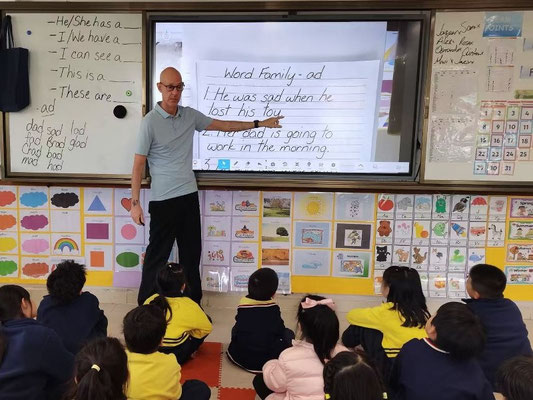
Visual supports are also fundamental. Word banks, picture cues, and classroom charts allow students to write without asking for assistance constantly. Encouraging inventive spelling in the early stages helps students focus on meaning rather than perfection. Positive feedback that highlights efforts and ideas, rather than only accuracy, builds confidence.
Finally, giving students regular opportunities to write for real purposes – such as journals, letters, or short stories – helps them see writing as meaningful. With patience, structure, and encouragement, Chinese Grade One students can become confident, independent writers in a second language.
Ms Belinda Grade 3 (April, 2026)
Unlocking Past-Tense Verbs through History
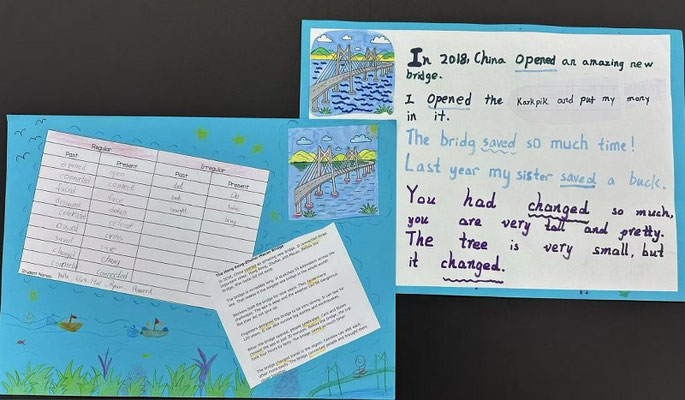
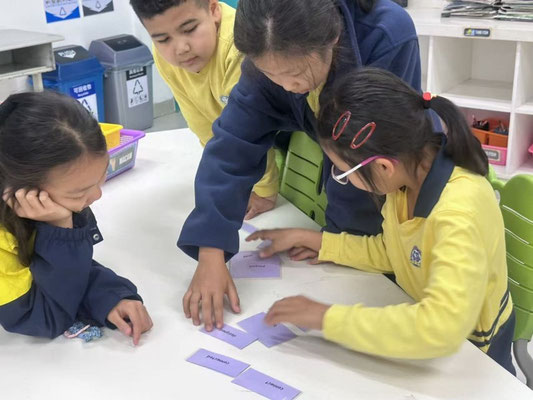
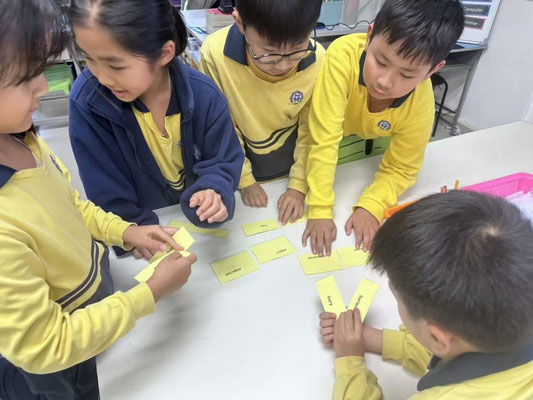
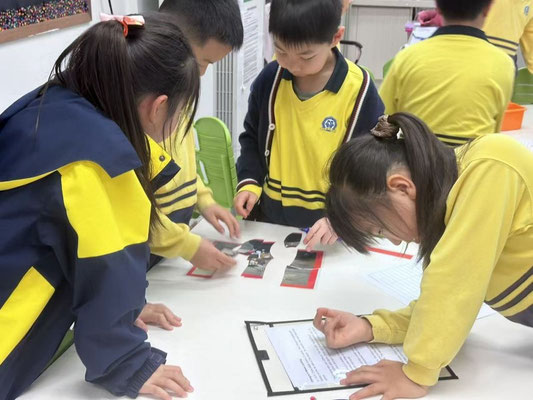
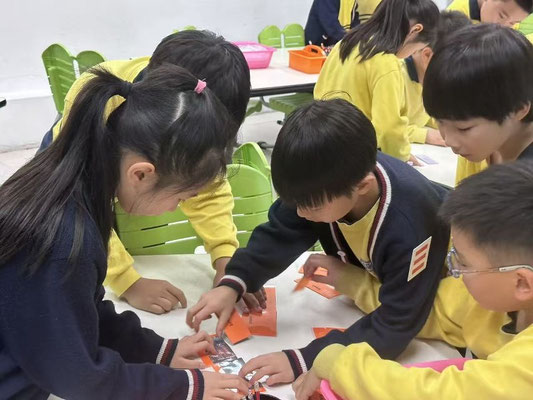
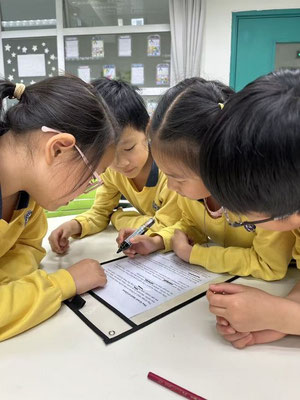
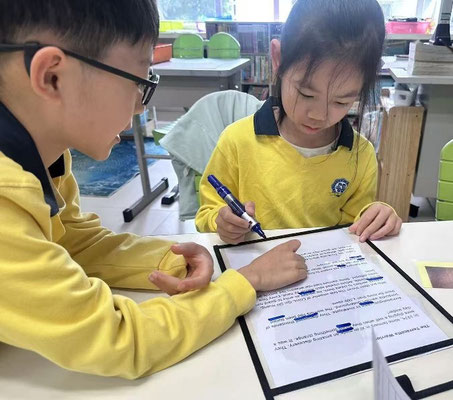
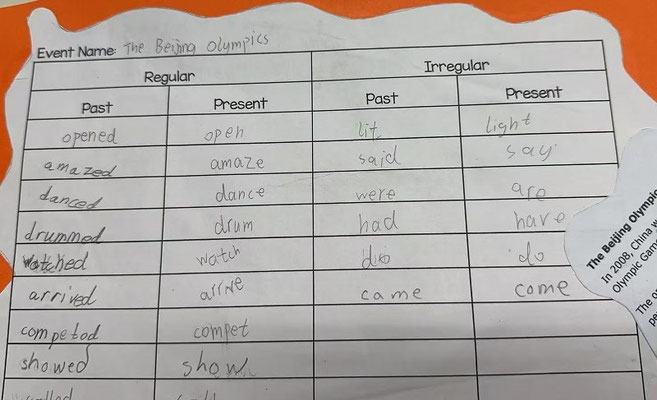
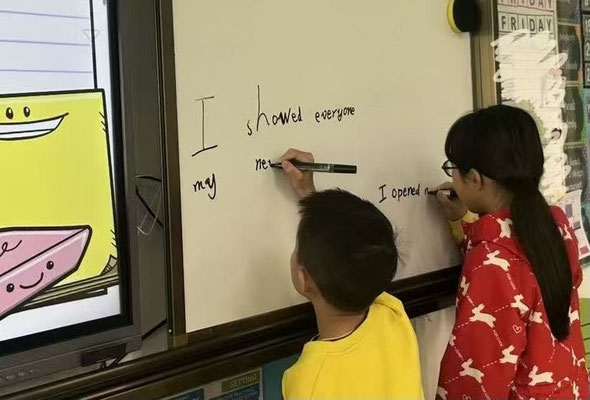
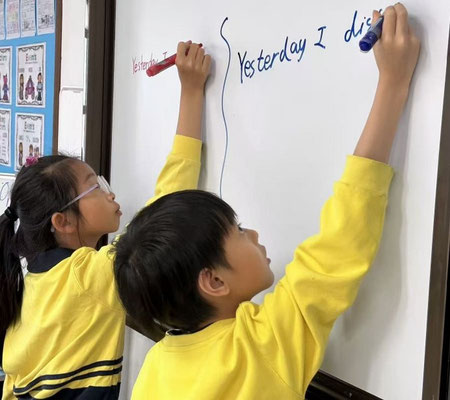
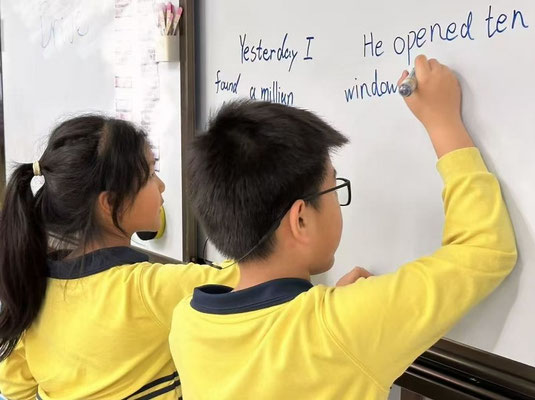
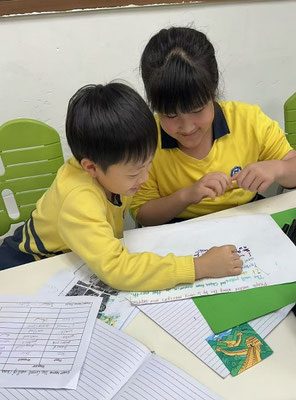
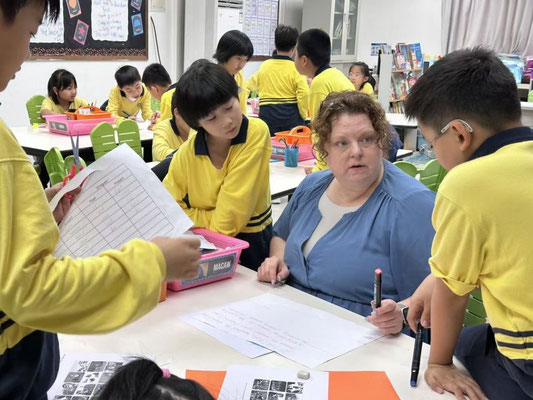
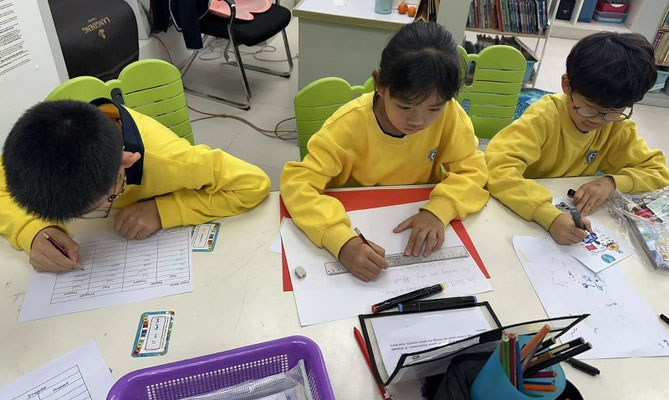
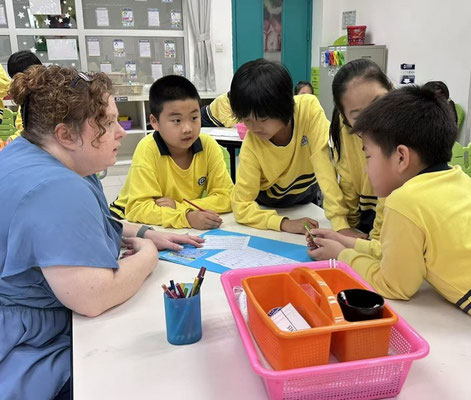
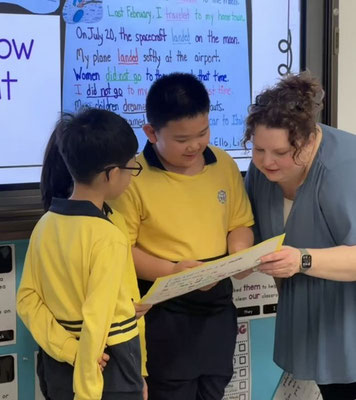
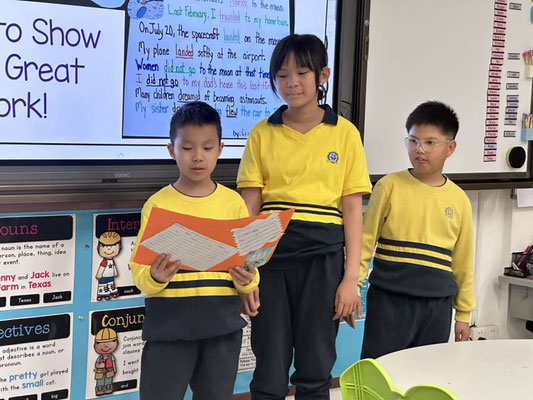
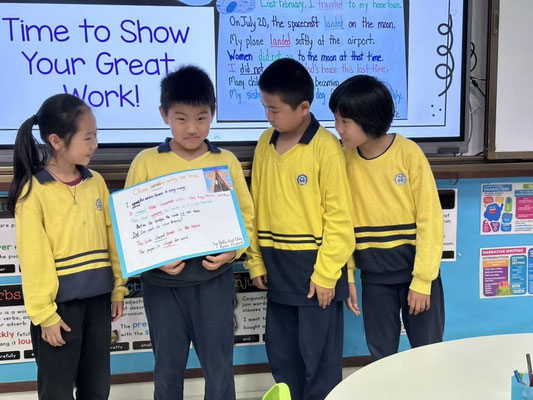
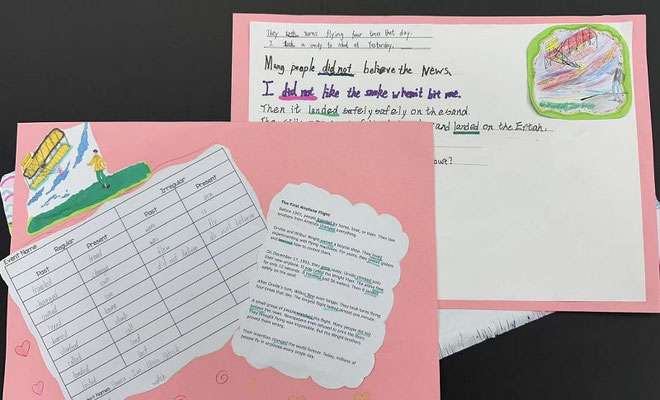
This month, students explored past tense verbs through an activity that combined grammar practice with a bit of history. The goal was to make learning these words more interesting and hands-on. To begin, students worked on a matching game. They had to connect present-tense verbs with their past-tense forms. Each time they made a correct match, a piece of a picture was revealed. The final image depicted a historical event, which piqued students' curiosity about what they would read next. Once the puzzle was complete, each group received a short article about their event. They read through it and underlined every past-tense verb they noticed. Then, they sorted these words into two groups: regular verbs (like walked or played) and irregular verbs (like went or saw). This helped them see the different ways verbs change in the past tense. After sorting, students wrote their own sentences using the verbs from the article. This gave them a chance to practice using the words in context. Finally, each group put together a poster. They added their article, their verb sort worksheet, and their sentences. To wrap up, groups presented their posters and shared what they had learned. The lesson was a good mix of teamwork, writing, and grammar practice.

Mr Rohde Grade 2 (March, 2026)
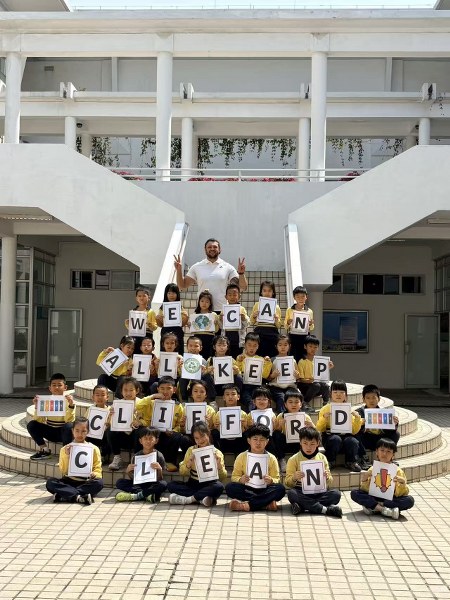
Keeping Clifford clean.
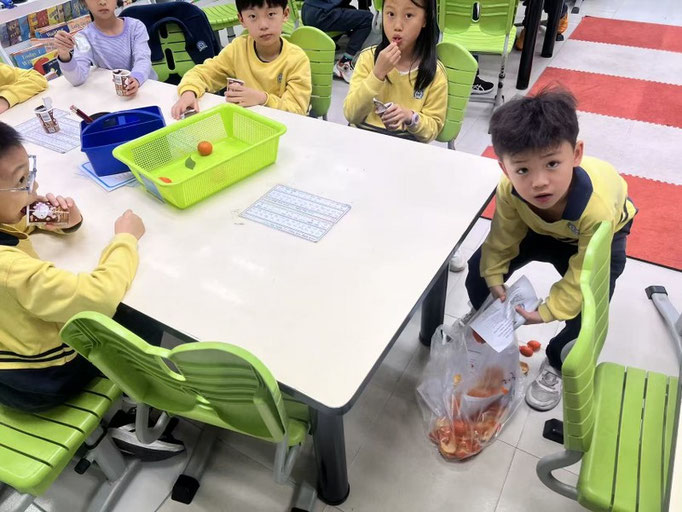
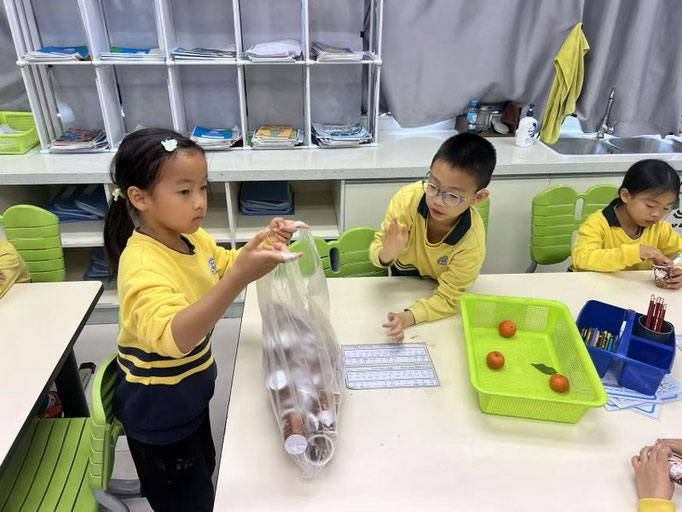
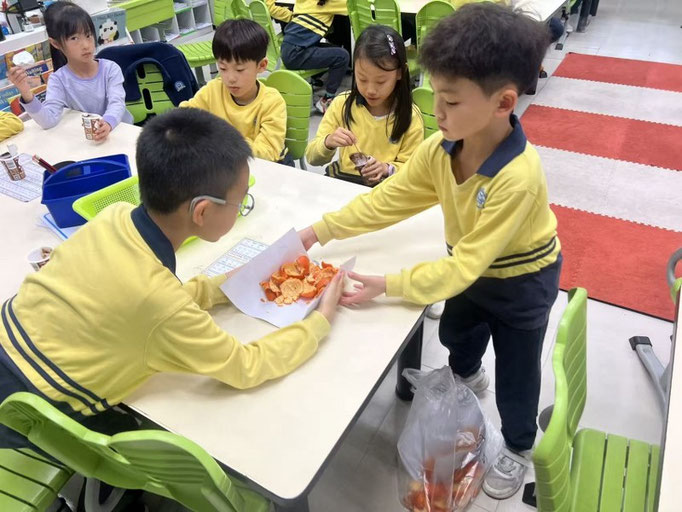
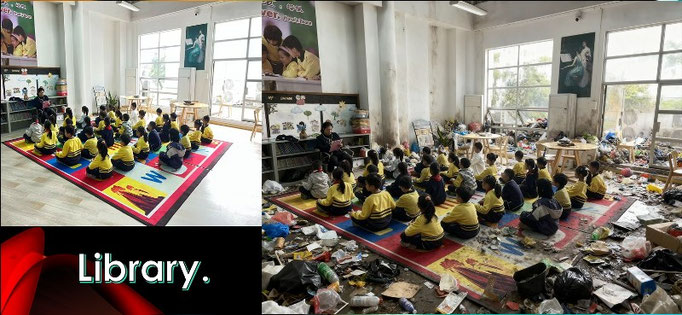
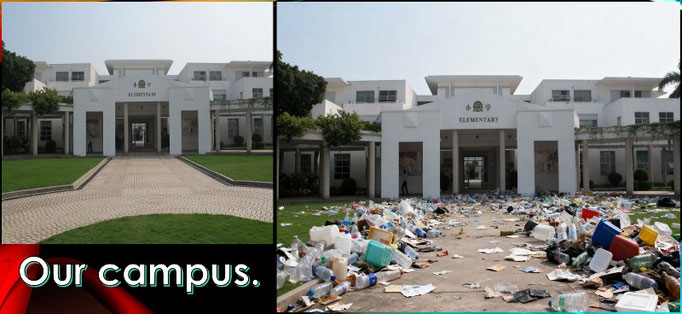
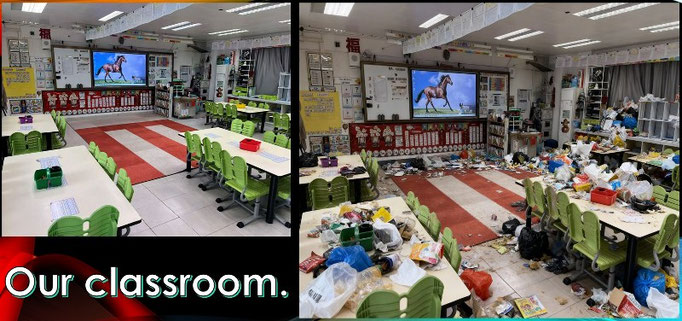
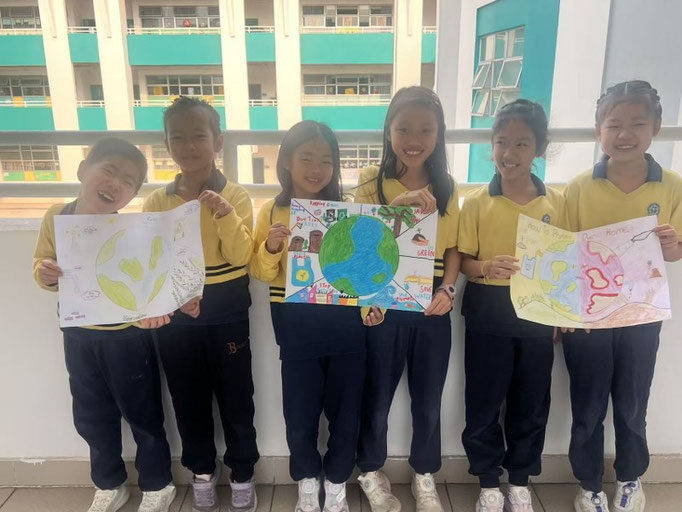
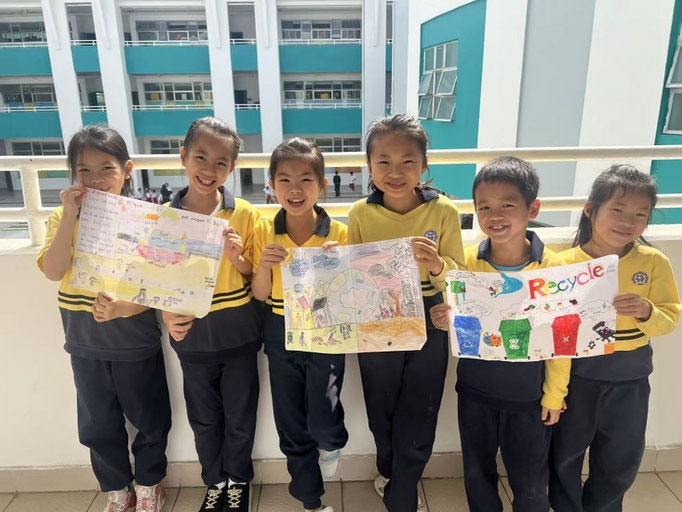
This month, our Grade 2 classes launched a meaningful new theme: “We Are Community Custodians.” More than just a classroom cleanup, this initiative is teaching students that caring for our shared spaces is an act of responsibility, science, and respect.
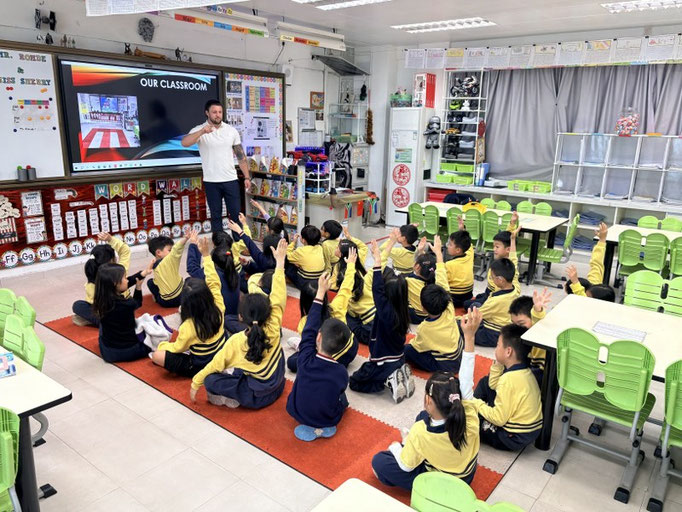
To bring these concepts to life, we used an AI image generator to create visual scenarios. The AI helped us show vivid before and after pictures of various places: a park littered with waste versus one that is clean and safe, or a polluted stream compared to a healthy one. Students analyzed the images, discussing how a clean or dirty environment affects people, animals, and their own feelings. This technology made the impact of our choices easy to see and understand.
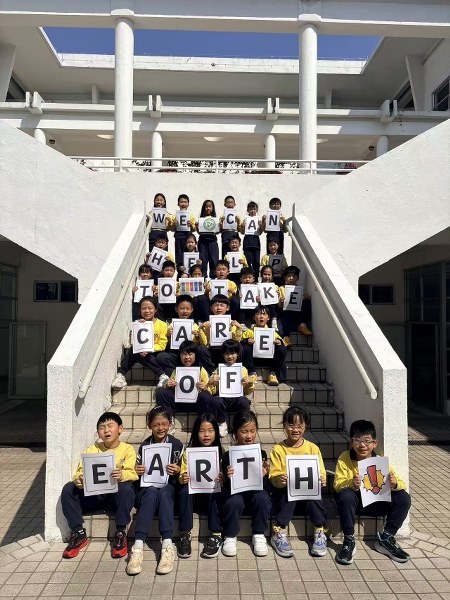
This sparked a powerful discussion that bridged past and future learning. Students connected our current theme directly to last term’s studies on animal habitats, realizing that by keeping our community clean, we are protecting the homes of various living things. They also saw how this makes us true friends to our planet, beautifully setting the stage for our next theme, My Friend Earth, where we will expand on being protectors of our entire world.
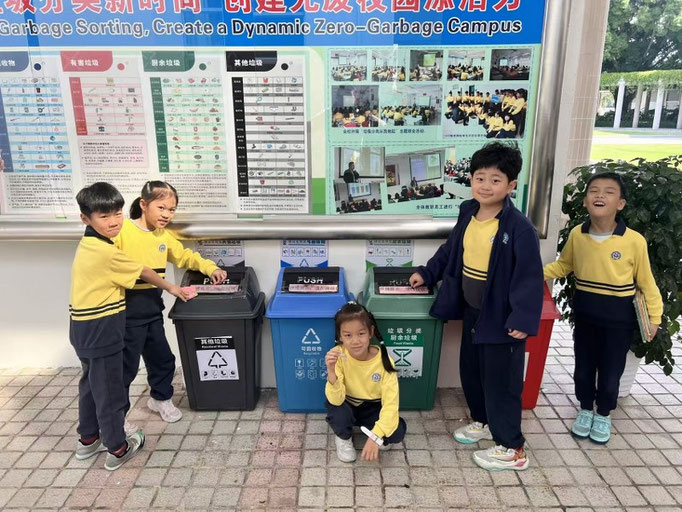
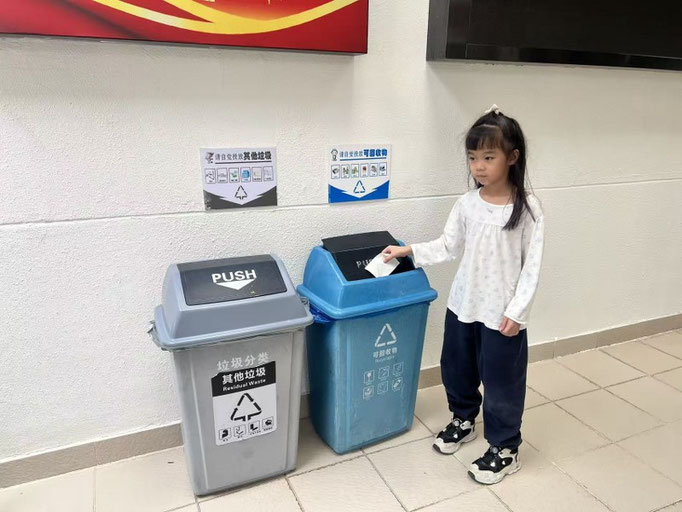
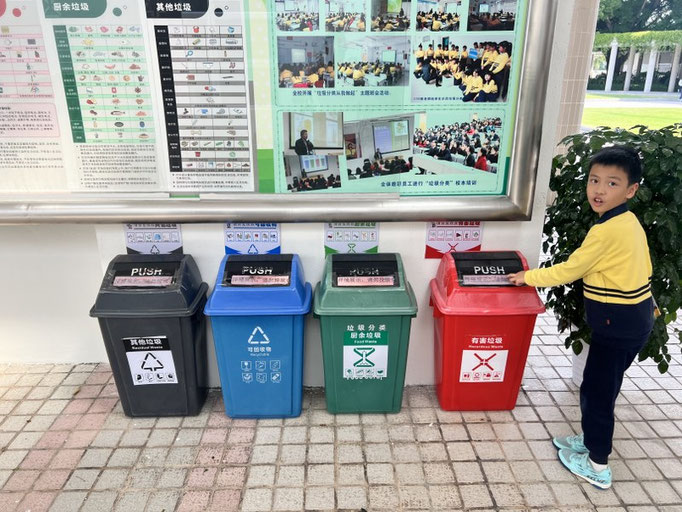
In a dedicated lesson, we explored different types of common waste for example, plastic, paper, glass, and organic materials. Students learned not just how to sort these items, but why proper recycling and disposal matters. We discussed how recycling paper saves trees, how clean plastics can become new products, and how composting food scraps enriches soil instead of filling landfills. This knowledge empowers them to make informed choices every day.
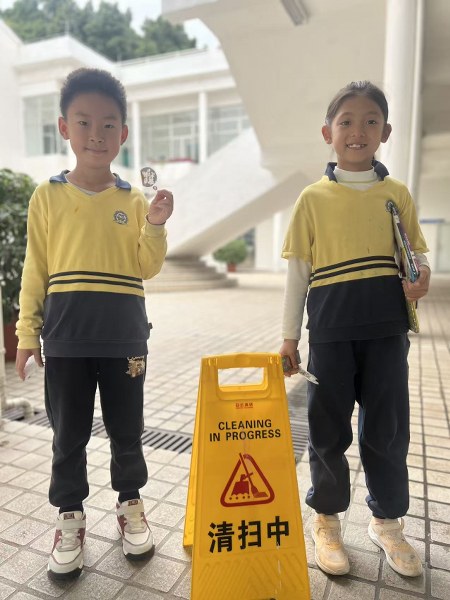
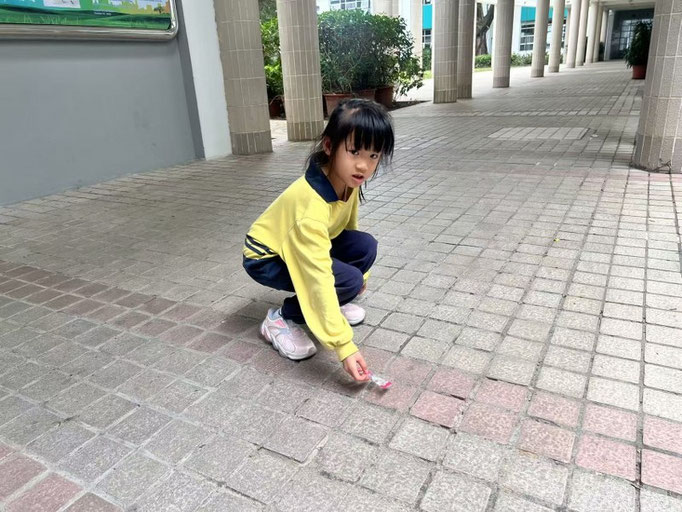
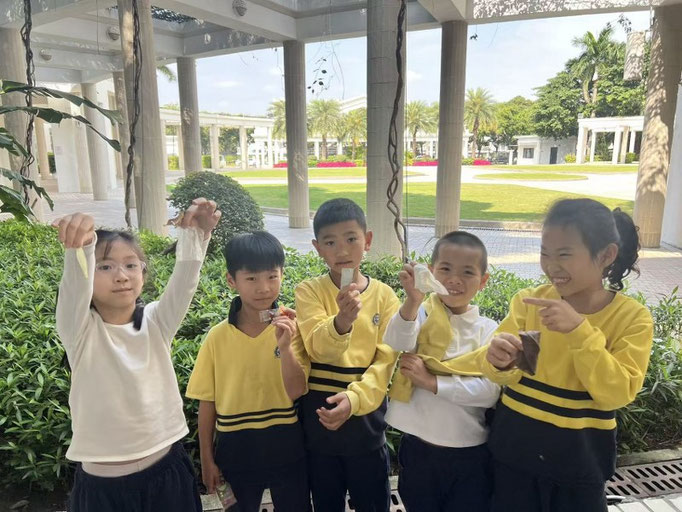
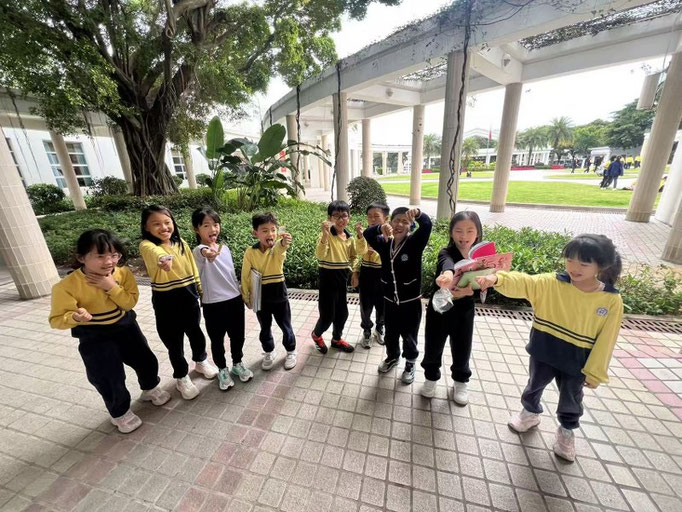
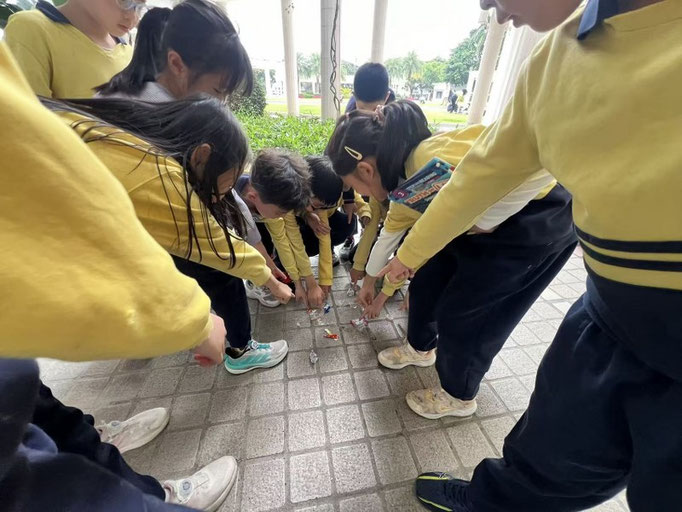
We have also integrated our custodian mission into our daily routine. During transitions to our specials, music and library, students now keep an eye out for any litter in the hallways. When they spot and properly dispose of a piece of trash, they earn a small “Classroom reward”. This turns routine walks into purposeful missions and fosters a watchful, caring attitude throughout the school.
Through daily actions and thoughtful discussions, our students are discovering that a clean community starts with them. They are not just tidying up, they are becoming thoughtful protectors of the world around them, one small, responsible choice at a time.


Mr Reynolds Grade 6 March, 2026
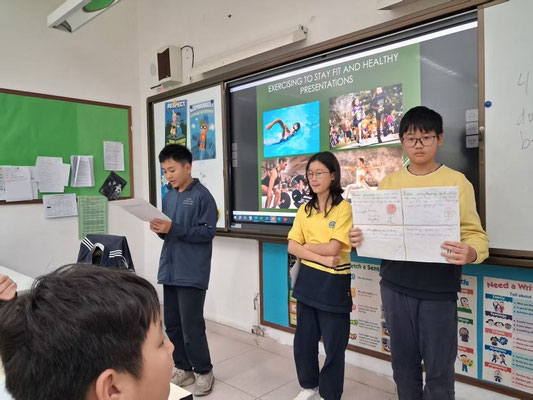
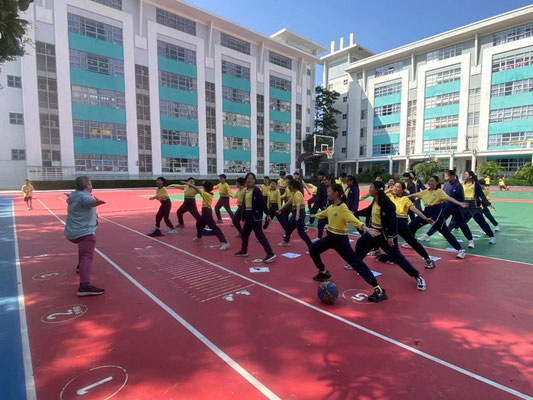
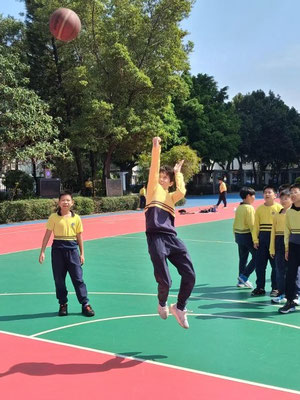
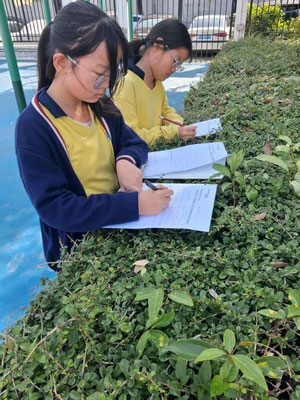
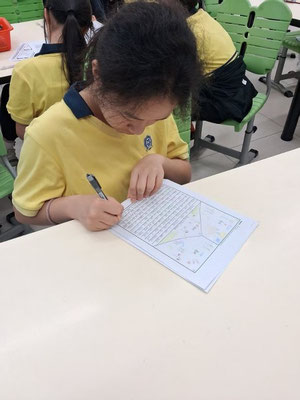
Fitness and Fun: Growing Up and Staying Healthy
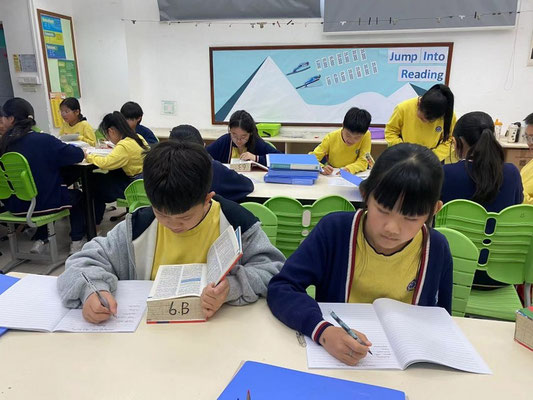
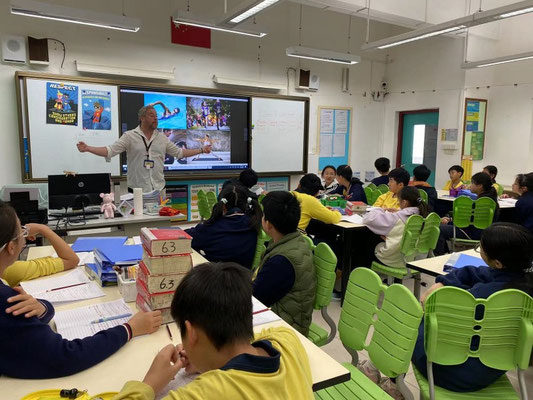
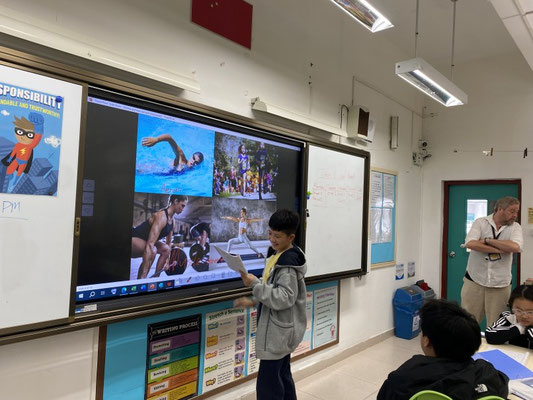
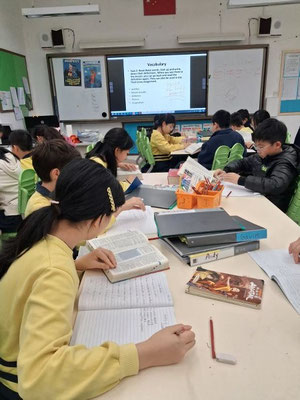
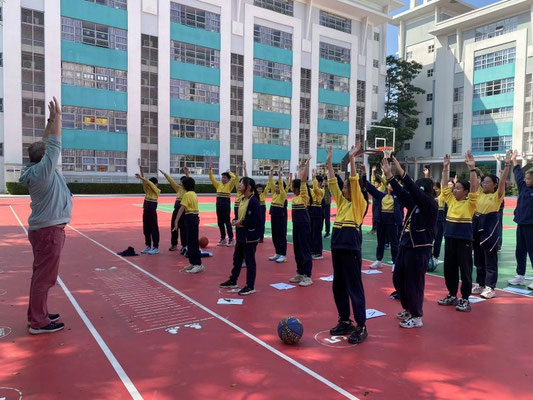
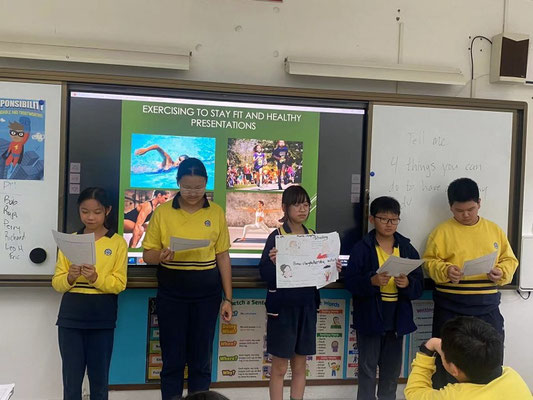
This month the Grade 6 students began their Social Studies thematic unit on growing up and staying healthy. In this unit students will explore different ways to keep both their bodies and minds healthy. During our first two weeks of study, students explored and learned about different ways to stay fit and active. Students utilized their speaking, reading, writing and listening abilities to create and take part in a project and presentation in which they have to use the information they have learned about health and fitness to create a presentation to share with their classmates.
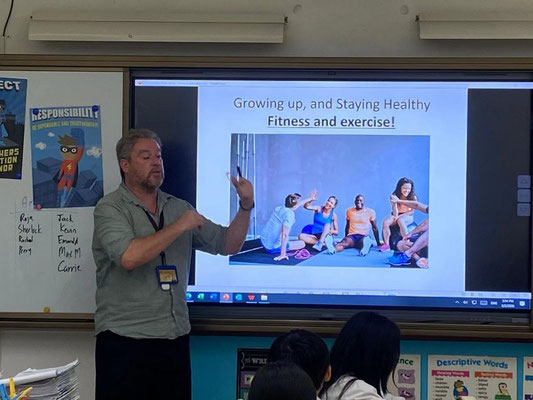
We Started off the unit with students learning the basic vocabulary and concepts from a PowerPoint presentation. The students take notes and discuss the different concepts involved in physical fitness. Students then furthered their vocabulary knowledge as they used dictionaries to look up the words from the unit and use them in English sentences. Then students read short articles about fitness and exercises.
Then, students engaged in a video and listening comprehension activity to further their understanding of the unit.
Next, the students used what they have learned and put it into action. Students were tasked to complete different fitness exercises and write down and keep track on a weekly fitness log.
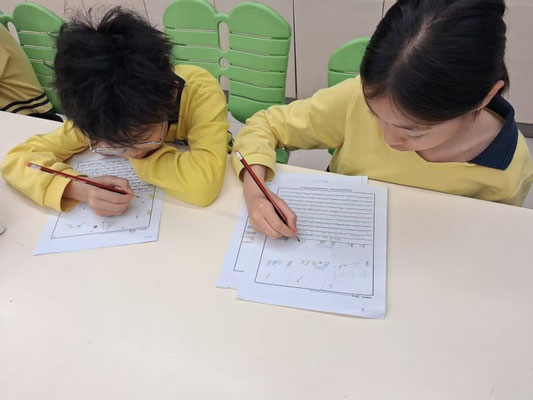
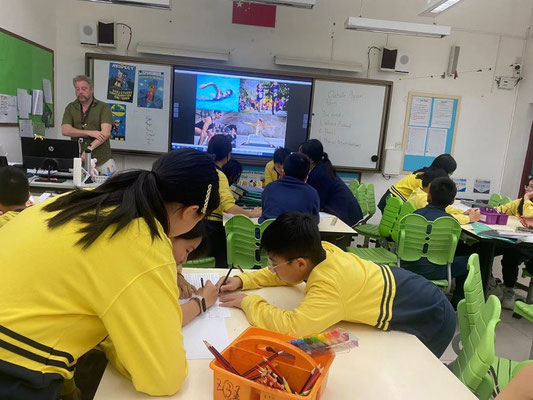
At the end of the end of the unit, students write short summaries explaining what they have learned. Students then get in to small groups and create a poster to visually represent what they have studied. Finally, students give short presentations to their classmates.

Mr V Grade 5 March, 2026
Connecting Ideas on Ice
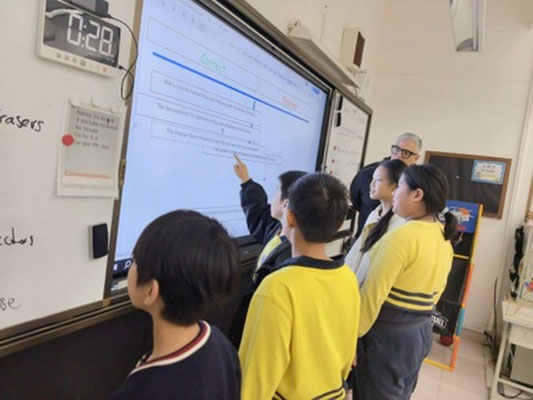
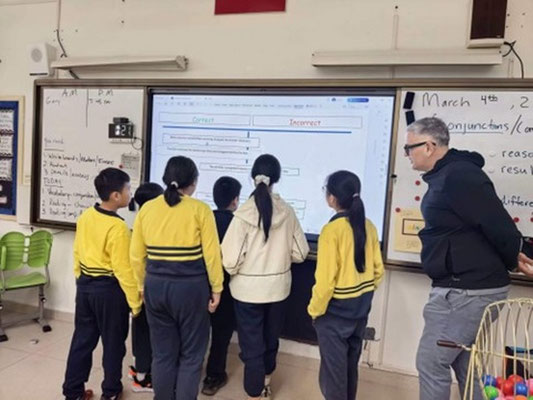
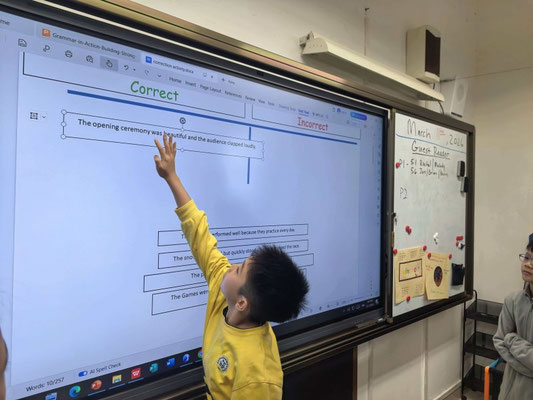
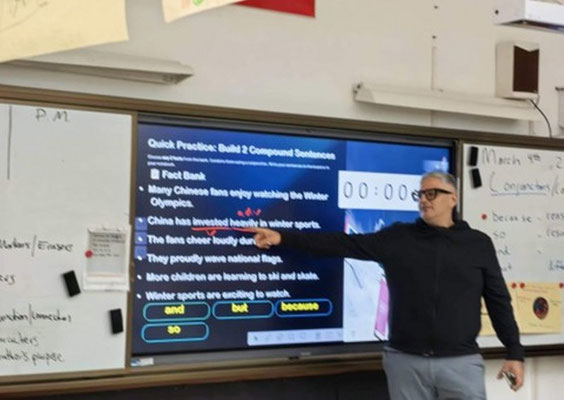
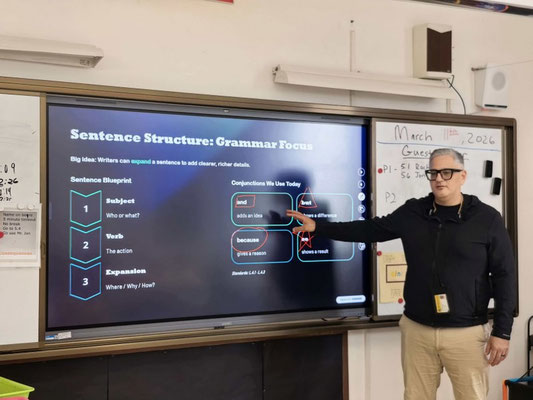
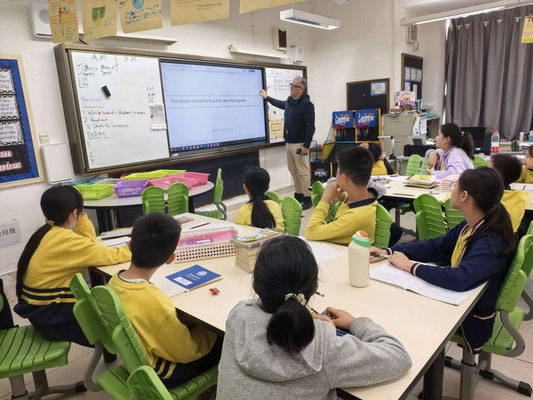
Students explored four conjunctions — and, but, because, and so. Each activity asked students to think, write, and share using these words naturally and correctly.
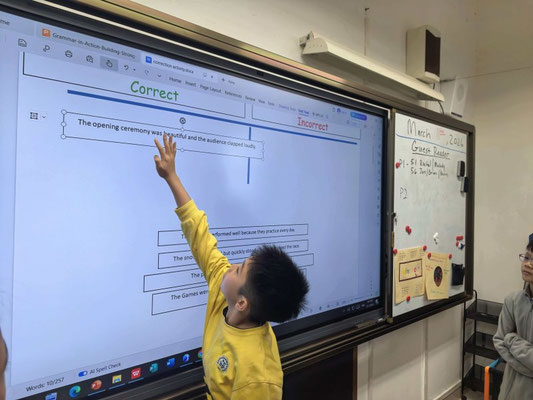
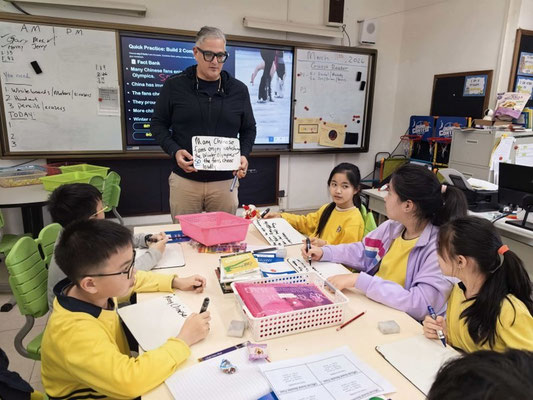
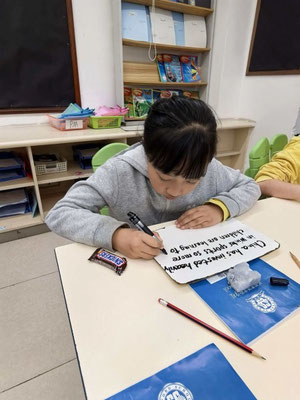
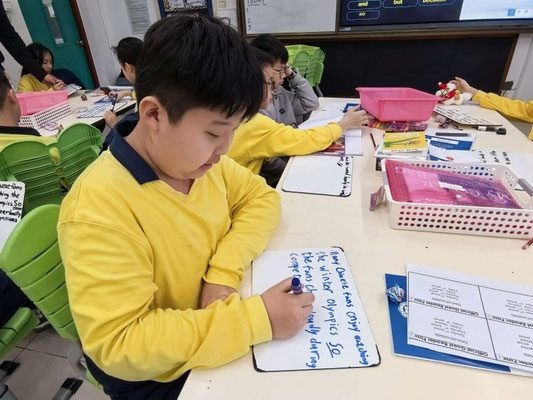
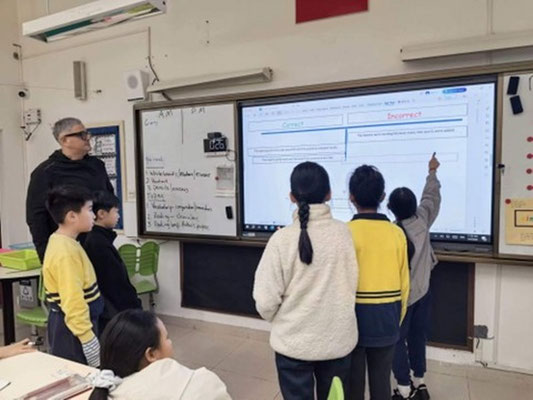
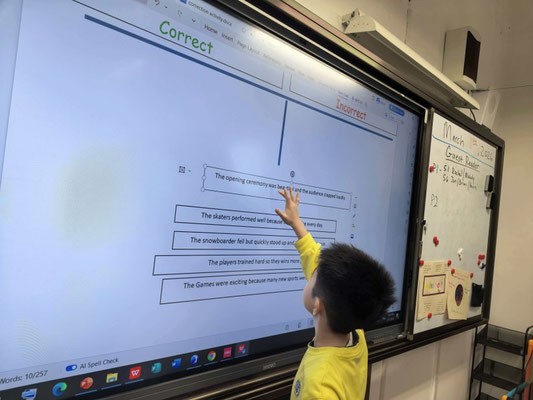
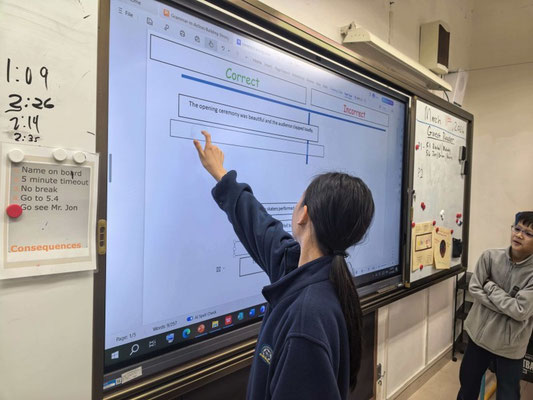
First, student had to sort Winter Olympics sentences into two columns: Correct or Incorrect. then explained their reasoning — debating and correcting each other aloud. Then, a fact bank was projected displaying sentences and students combined two facts into a compound sentence using one of the four conjunctions. The teacher demonstrated how swapping conjunctions changes meaning entirely.
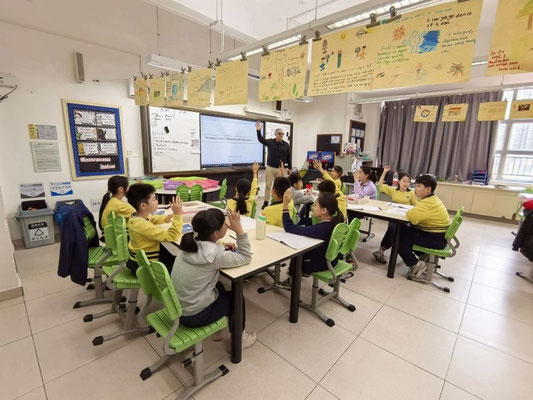
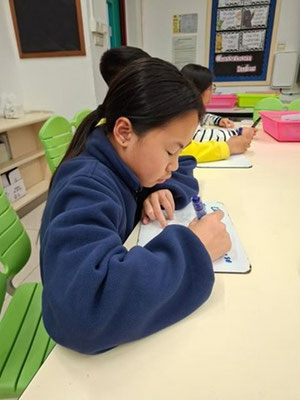
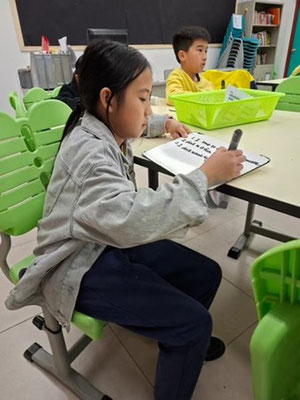
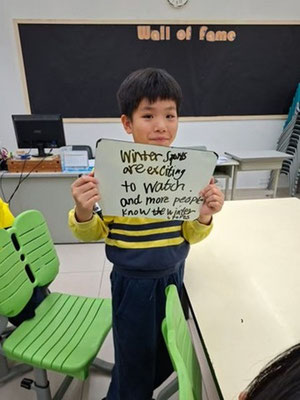
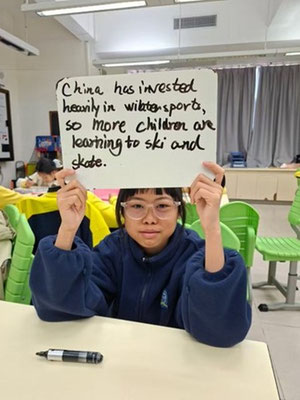
Next, students wrote their own compound sentences on individual whiteboards. Monitoring and immediate feedback was given so students could refine their work in real time. After monitoring and feedback, students held up their whiteboards and read their sentences aloud, building confidence and earning praise.
To close, students completed a harder sorting round using all four conjunctions, showing clear progress within a single lesson. By anchoring and, but, because, and so in the Winter Olympics theme, students had something real to say and a reason to say it correctly. The lesson moved from recognition to independent production — students left able to use conjunctions purposefully, in their own words.

Mr Allan Grade 2 (January, 2026)
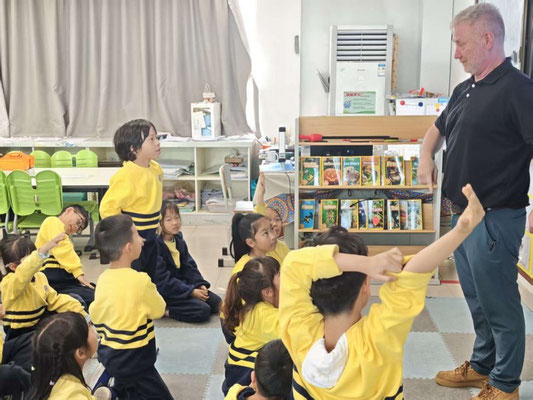
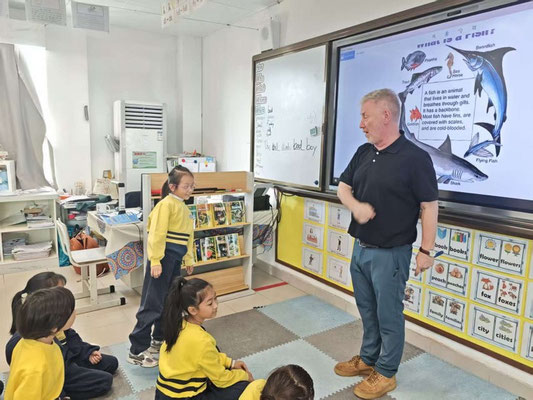
"Fin-tastic Fish": A Dive into Creativity
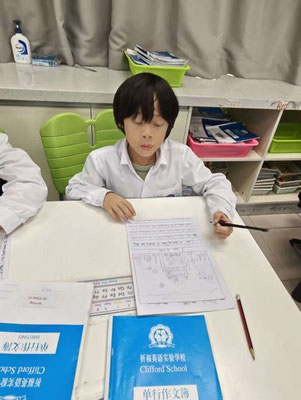
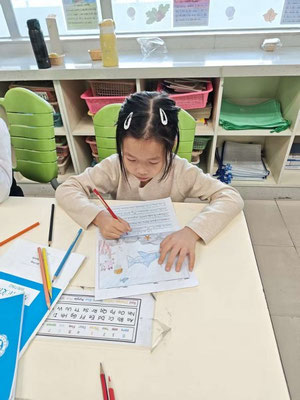
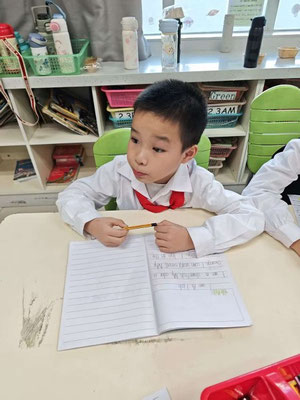
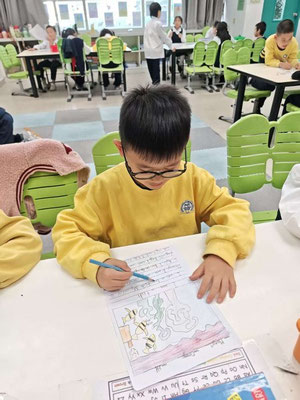
Our Grade 2 students recently embarked on a creative underwater adventure! This multi-step project combined science, writing, speaking and art for a truly immersive learning experience.
Step 1: Learning the Facts
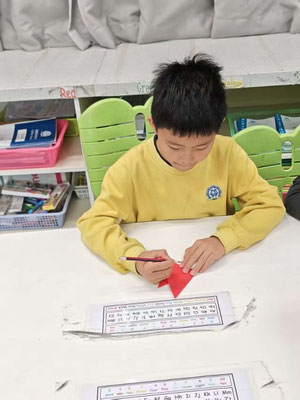
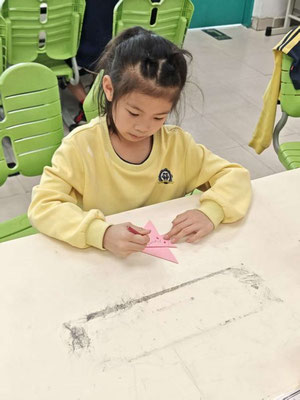
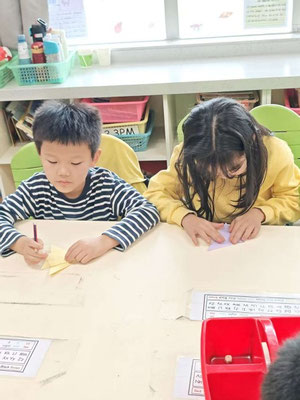
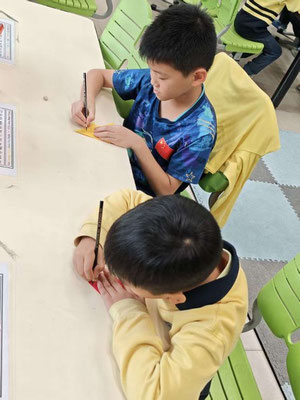
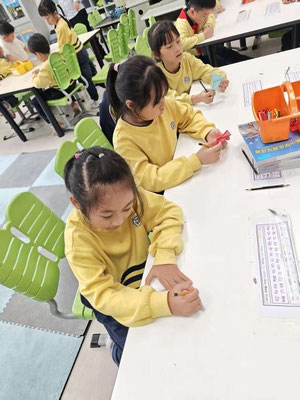
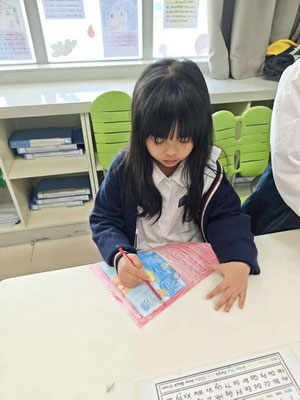
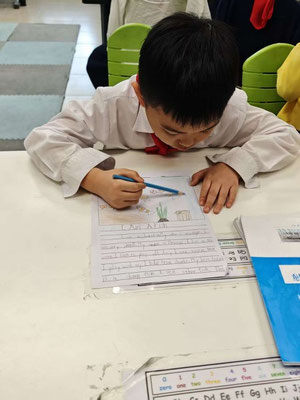
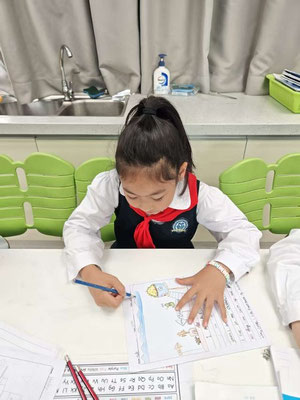
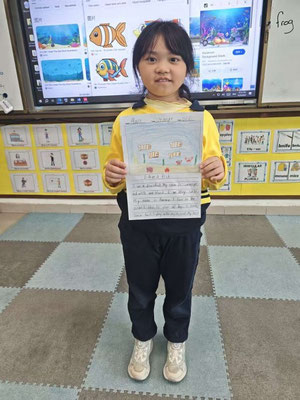
The unit began with an introduction to the fascinating characteristics of fish. Students learned about scales, fins, gills, and habitats, building a foundation of scientific knowledge. They then crafted origami fish on which they listed the characteristics.
Step 2: Becoming the Fish
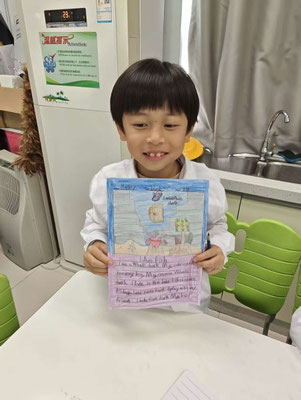
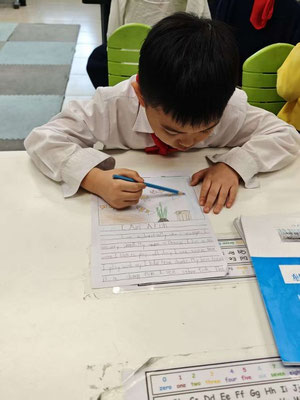
Then, the magic happened! Each student imagined themselves as a specific fish. They wrote creative first-person stories from the fish's perspective, describing their color, home, daily activities, friends, and underwater discoveries. They even explored the sensory details of their environment—how the water feels and what wonders or dangers lurk nearby.
Step 3: Artistic Expression
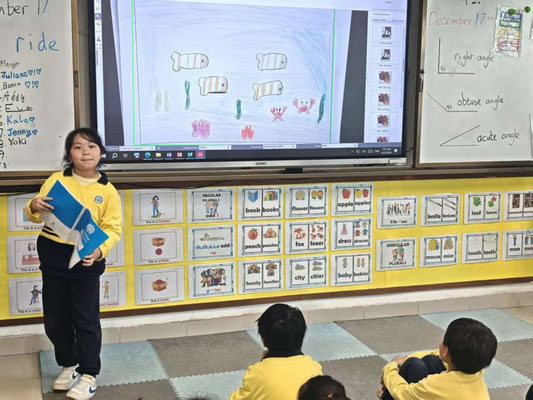
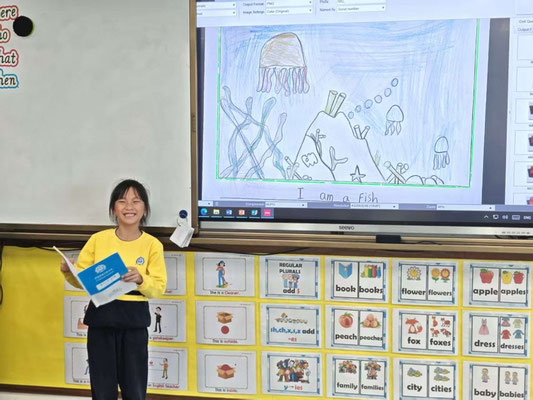
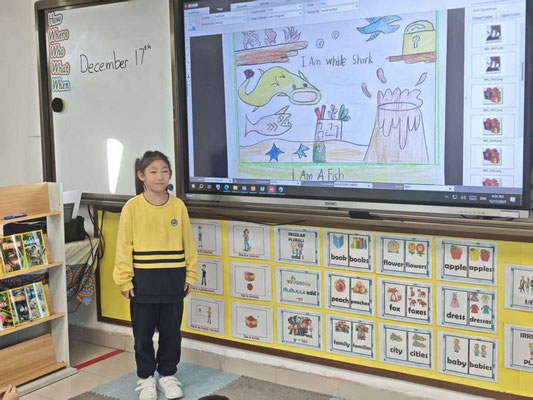
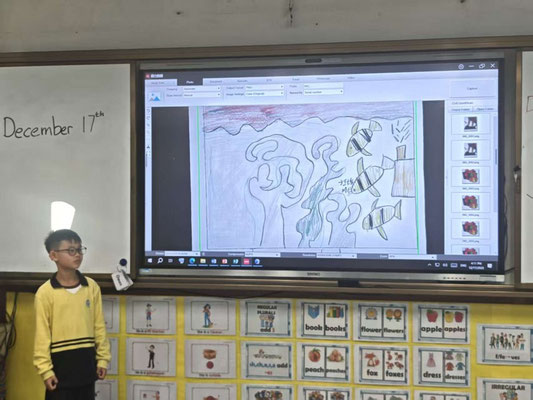
Next, they transformed their stories into vibrant posters. Using illustrations, labels, and key words from their writing, each student brought their unique fish character to life in full color.
Step 4: Confident Presentations
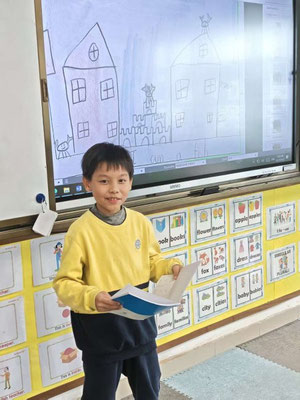
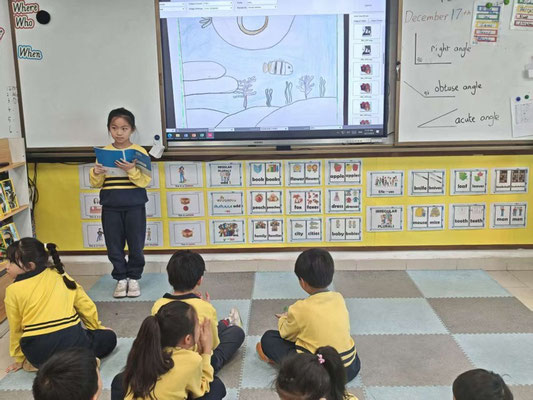
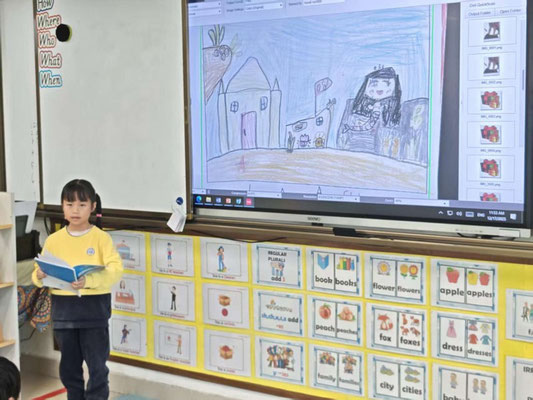
The project culminated with students presenting their posters to the class. This was a wonderful opportunity to practice public speaking, share their creative visions, and celebrate each other's "fin-tastic" work.
Step 5: Digital Playground
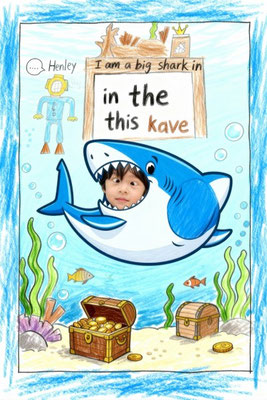
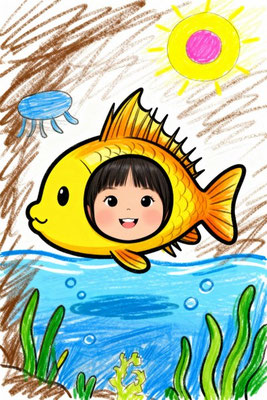
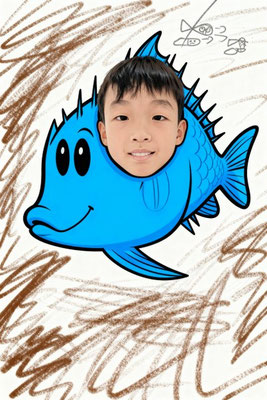
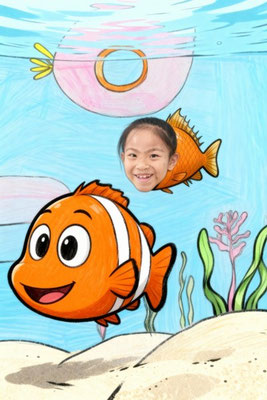
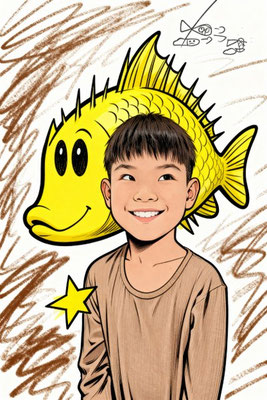
After creating their fish, students used a simple, age-appropriate AI tool to play with their ideas in a new way. We combined a photo of students with the fish they had designed in different ways. The AI helped bring their underwater personas to life, generating fun images where they swam with their fish, explored coral kingdoms, or discovered sunken treasures alongside their creations. This experience showed them how technology can be a playful partner in extending and reimagining their own creative work.
This project was a perfect example of cross-curricular learning, building knowledge, creativity, and confidence all at once. Well done, Grade 2!

Mr Zee Grade 4 (January, 2024)
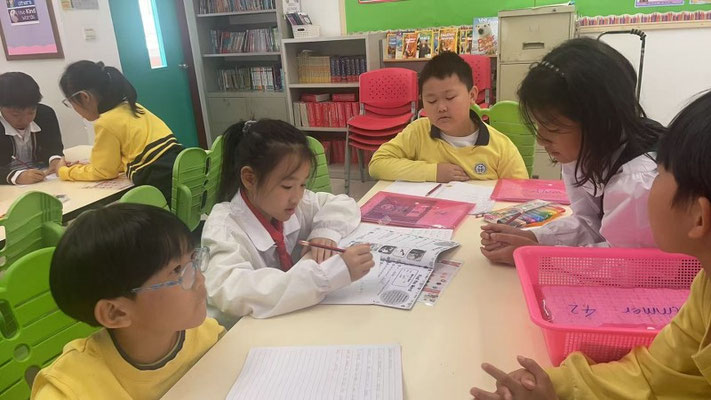
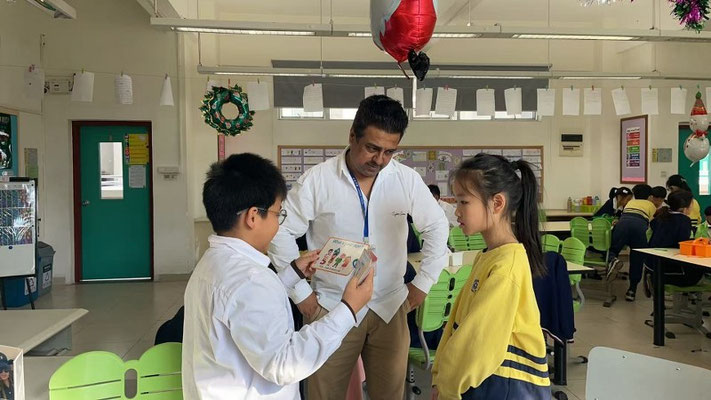
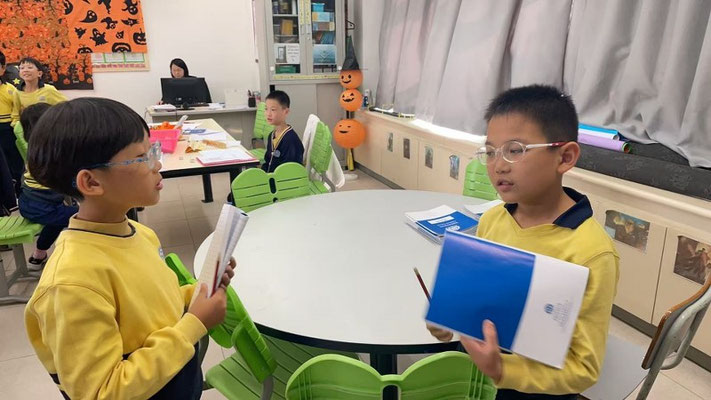
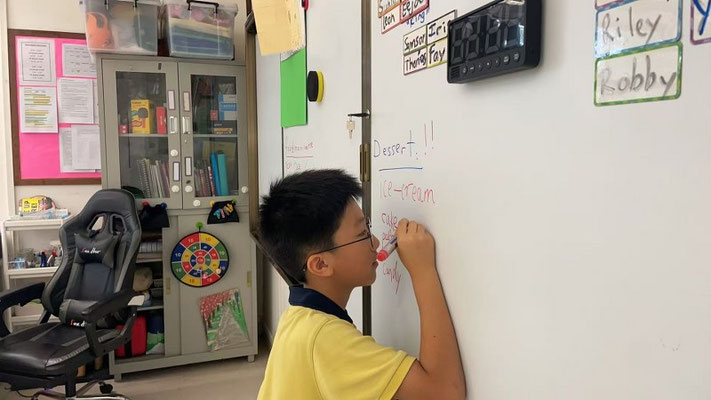
The Incredible Warmer – Class warmers
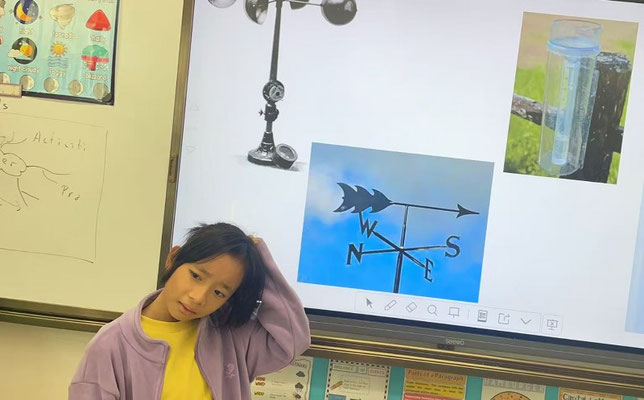
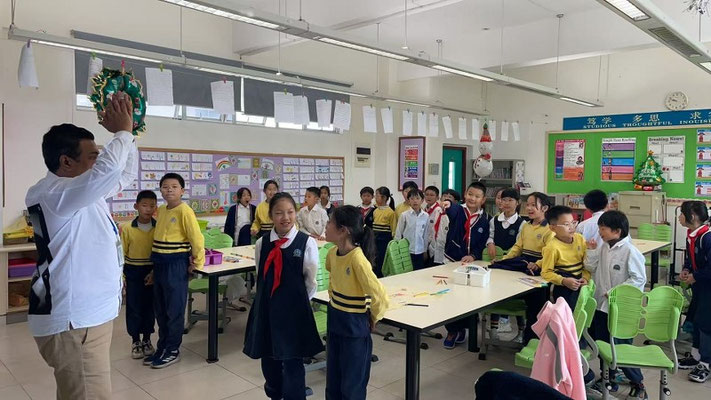
Think of a student's mind on a busy school day: it’s a whirlwind of different subjects and languages. Trying to launch straight into a lesson is like starting a car on a frosty morning—it’s shaky and sluggish. Enter the mighty warmer: the secret sauce for any great lesson in bilingual and international schools. This quick 5-minute activity is far from just fun and games; it’s a strategic powerhouse.
Why are warmers so super? Warmers are often used effectively as ‘A Linguistic Launch Pad’. Here they gently signal, “English time is ON!” This low-pressure start activates vocabulary and gets brains ready for the target language without the stress of a formal test.
A warmer can be an ‘Engagement Engine’, such as a puzzling question or a quick game which sparks curiosity and energy. It transforms a class from “meh” to “yeah!” making the subsequent focused work far more productive.
Warmers also act as Community Cultivators and help to break down social barriers, encouraging students to interact and take risks in a safe, fun environment. This builds the confidence and psychological safety essential for language learning.
In short, a warmer is the essential on-ramp to the learning highway. It’s a small investment that pays back a fortune in readiness, engagement, and classroom community. So, drop the cold start and embrace the warm-up.


Mr John Grade 3 (January, 2026)
Do or Does? Let’s Ask the Magic Question!
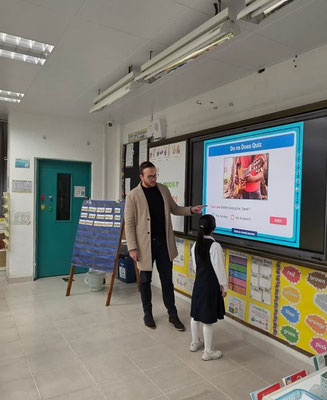
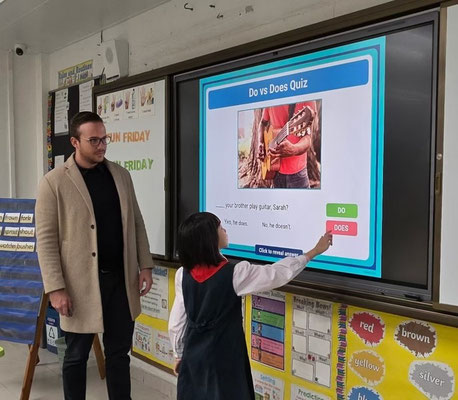
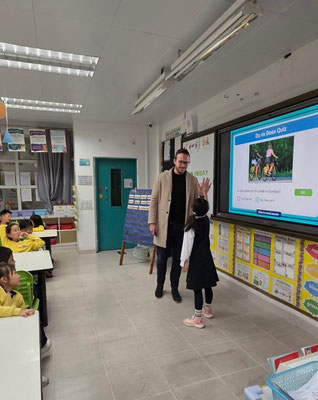
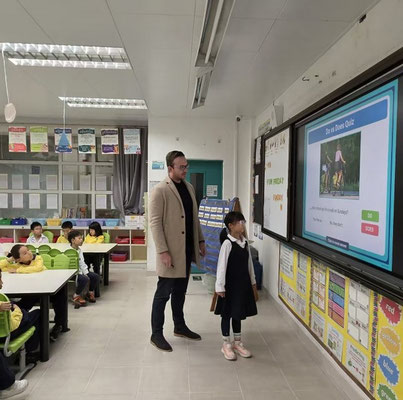
This week in Grade Three, students explored how to use “do” and “does” through a series of lively and interactive classroom activities.
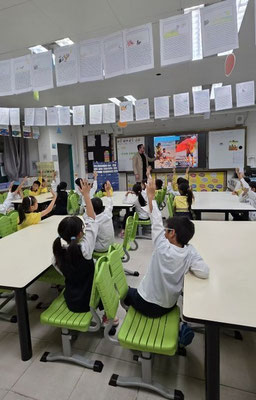
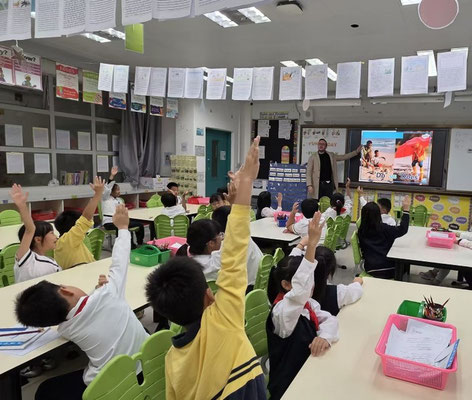
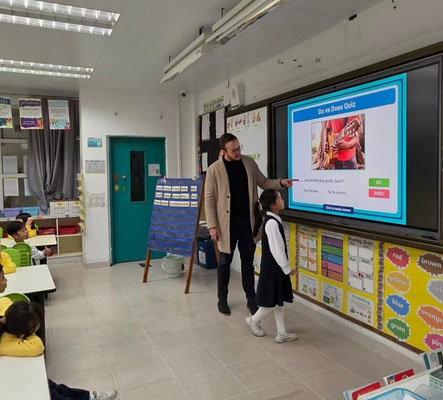
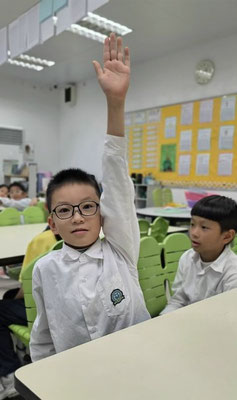
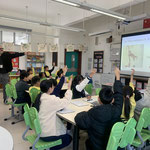
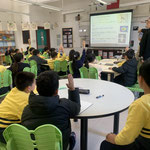
We started the lesson by showing a picture on the screen. Students raised their hands to share what they thought the character might do. This sparked curiosity, encouraged quick thinking, and prepared everyone for forming questions later.
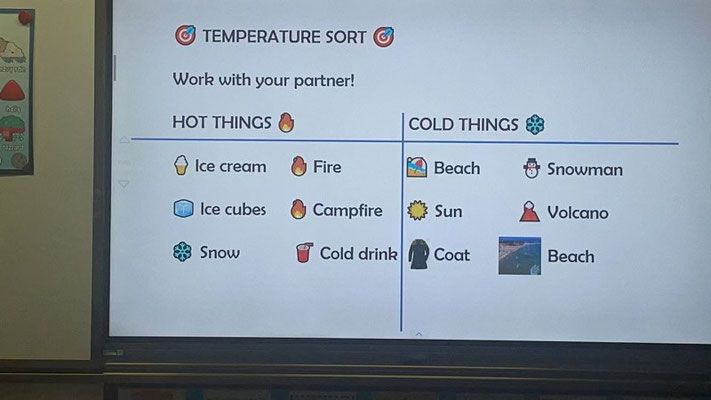
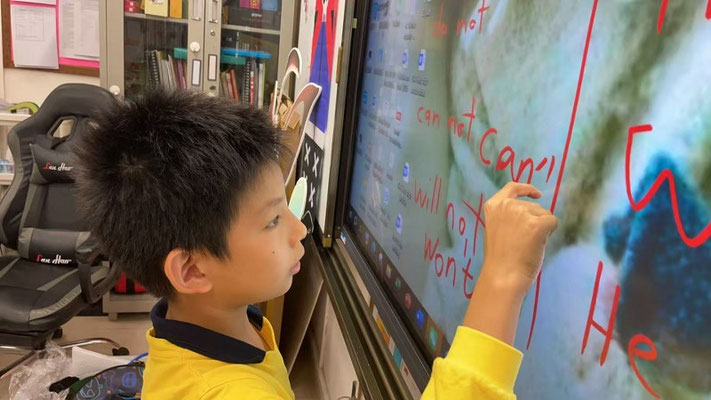
Next, we learned the difference between “do” and “does” by looking at example sentences together. Students discussed the subject in each sentence and decided which helper word fit best. Several students came to the board to complete sentences and explain their choices, helping the whole class understand the rule more clearly.
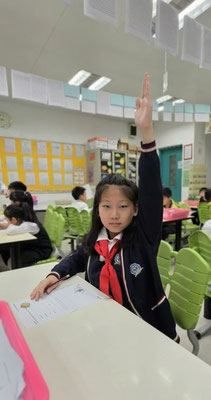
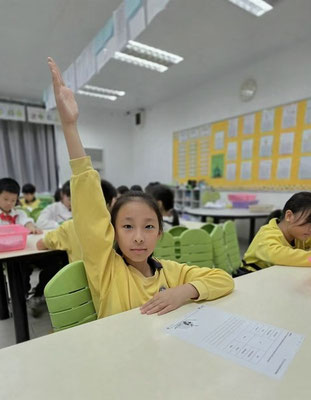
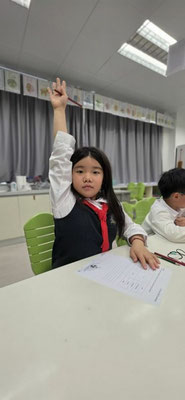
After that, the class practiced creating questions through fun speaking activities. Students listened to a subject and an action, then raised their hands to form the correct question aloud. They also practiced giving full-sentence answers as a group, building confidence and accuracy in a supportive environment.
We continued with classroom activities that encouraged students to think, speak, and apply what they had learned. Students worked on identifying mistakes in sample sentences, improving their grammar awareness and sentence-building skills. Another activity challenged them to build new sentences using different subjects and verbs, helping them apply “do” and “does” in different contexts.
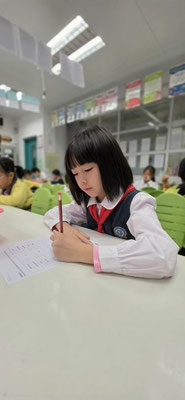
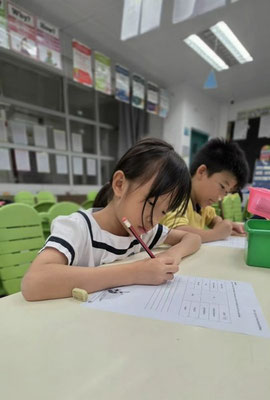
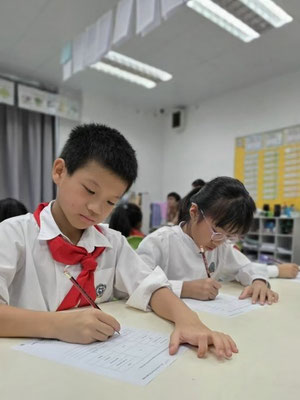
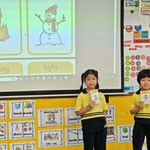
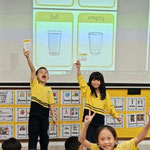
To end the lesson, we played an exciting team challenge. Students raced to find incorrect sentences on the board and fix them correctly. The room was full of energy, teamwork, and laughter as students proudly demonstrated their understanding of “do” and “does” (18, 19).
By the end of the class, students felt confident, engaged, and ready to use “do” and “does” in their daily English communication.


Ms Bibi Grade 1 (December, 2025)
A Magical Christmas Adventure in Grade 1!
Our Grade 1 students had the most unforgettable Christmas experience!
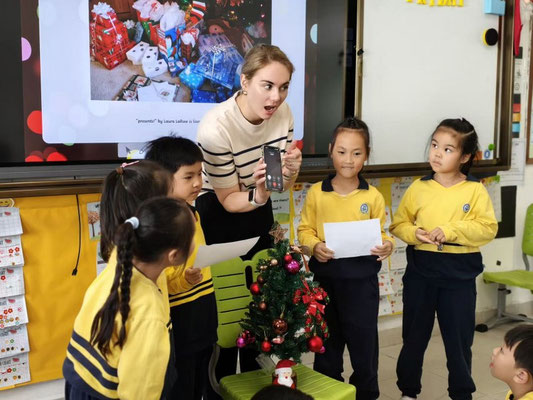
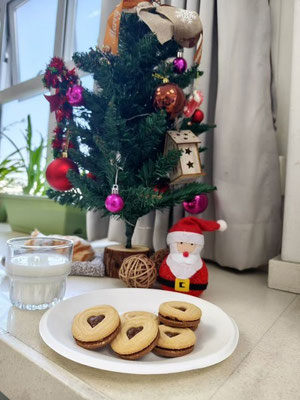
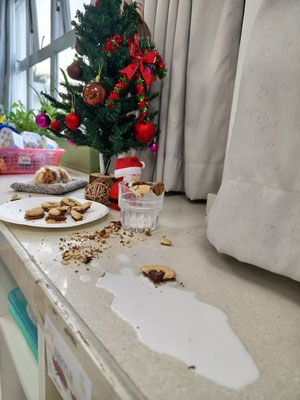
We started by giving Santa a special phone call to let him know that we have all been very good this year. We told him that our class prepared cookies, milk, and even a carrot for his hungry reindeer. Of course, we also mentioned our wish for presents and candy!
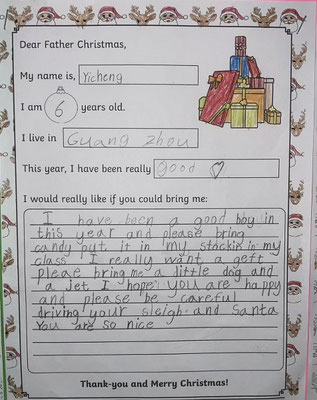
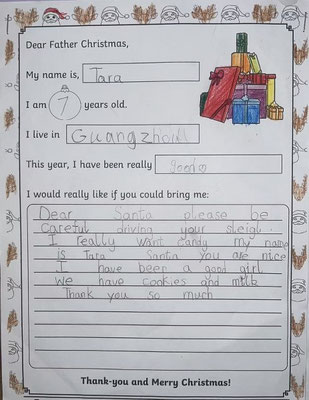
The children wrote beautiful letters to Santa using creative writing and inventive spelling. They shared fun facts about themselves and told Santa what they are hoping for this Christmas.
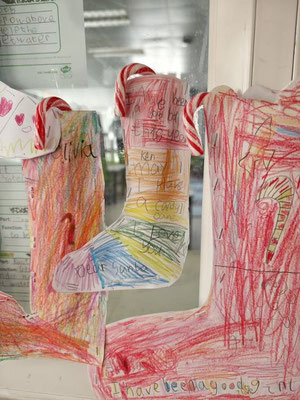
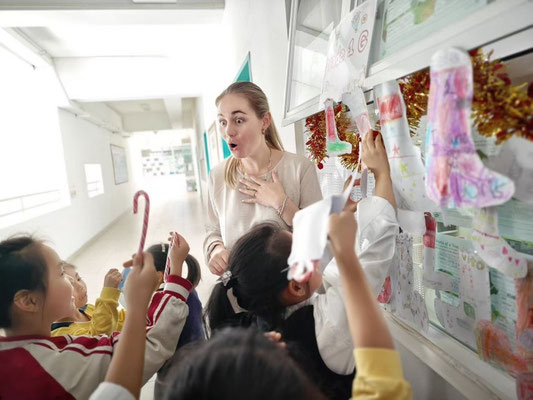
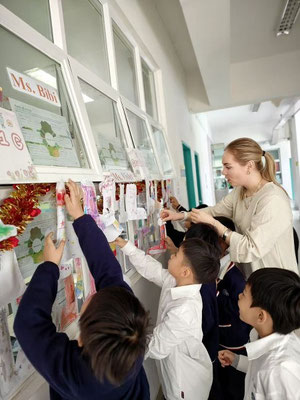
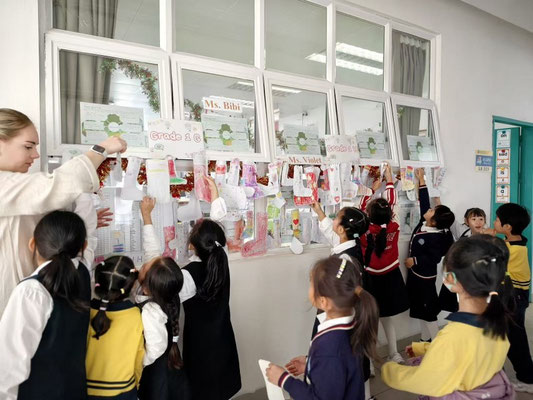
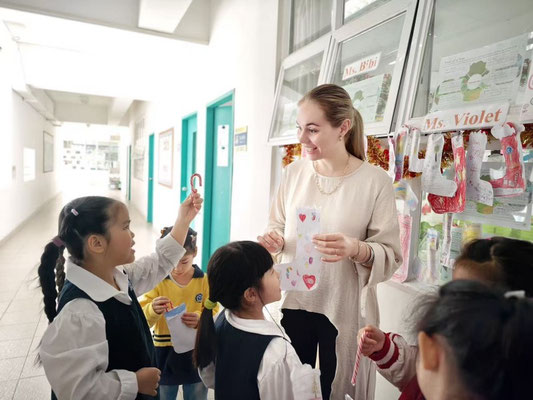
Each child designed their own Christmas stocking and placed it outside our classroom door. Every day, we checked to see if Santa had visited and after a few days, he finally did! The excitement was unbelievable when the children discovered candy canes inside their stockings!
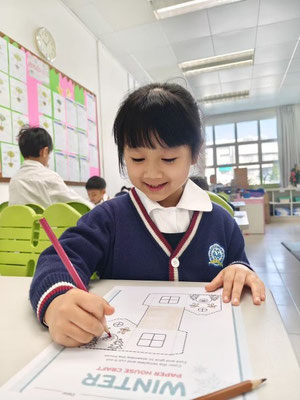
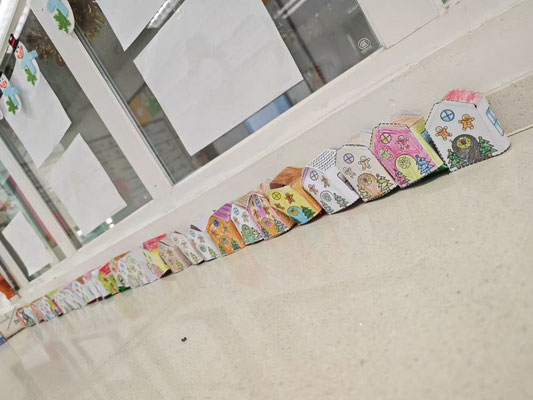
We also celebrated with a fun Secret Santa exchange. Each class surprised the other with gifts. The students even made adorable mini gingerbread houses for their friends and Santa secretly hid a special gift inside each one!
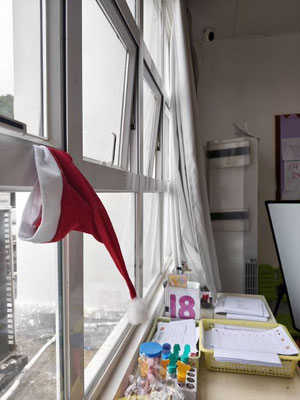
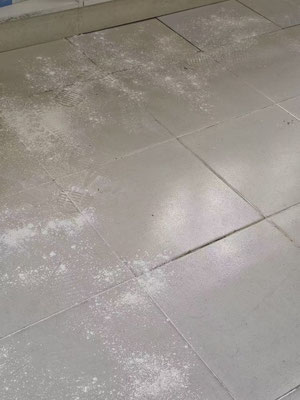
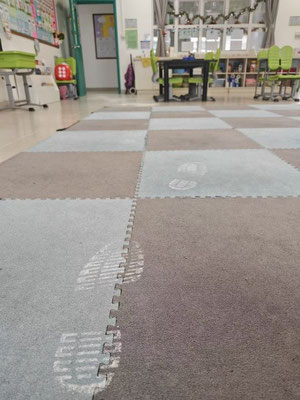
And then...Santa actually visited our classroom! It looks like he tried to sneak in through the window because his hat got stuck! He enjoyed the cookies and milk we left for him, though he left quite a mess. There was snow on the floor, his footprints everywhere, and our security guard even captured photos of him in our class!
Thank you for visiting us, Santa!
Ms Jemma Grade 5 (December, 2025)
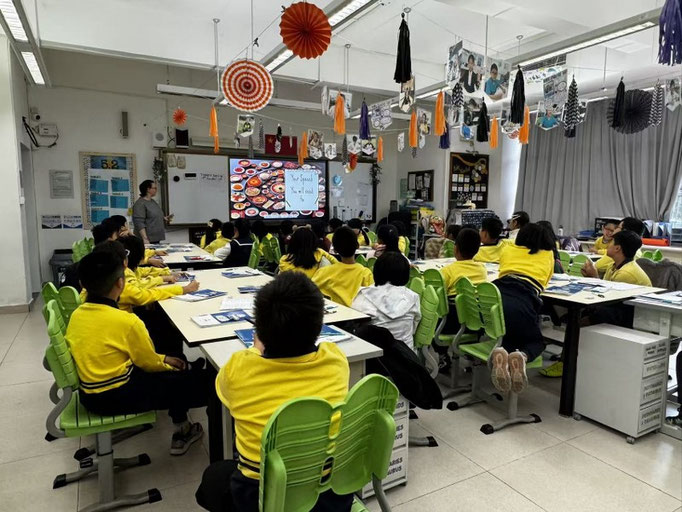
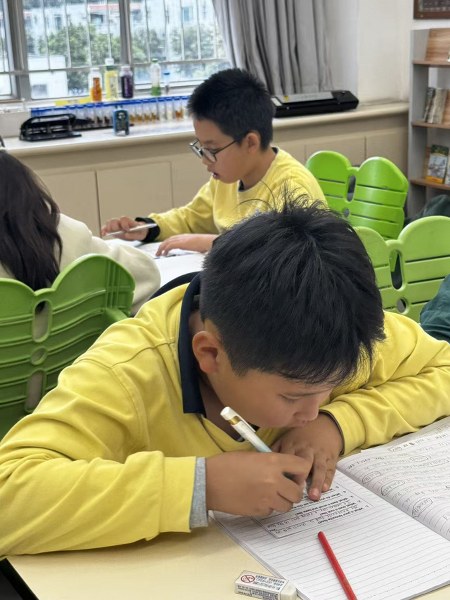
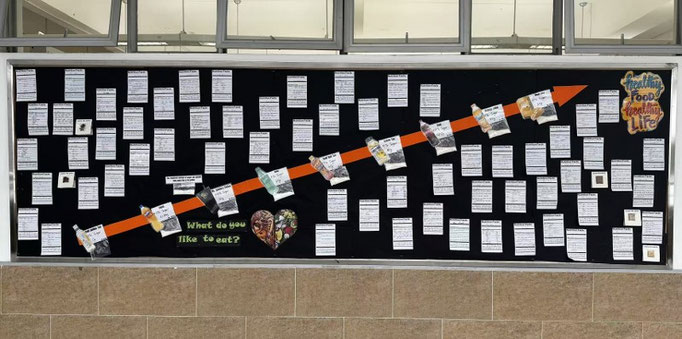
Healthy Eating, Healthy Life
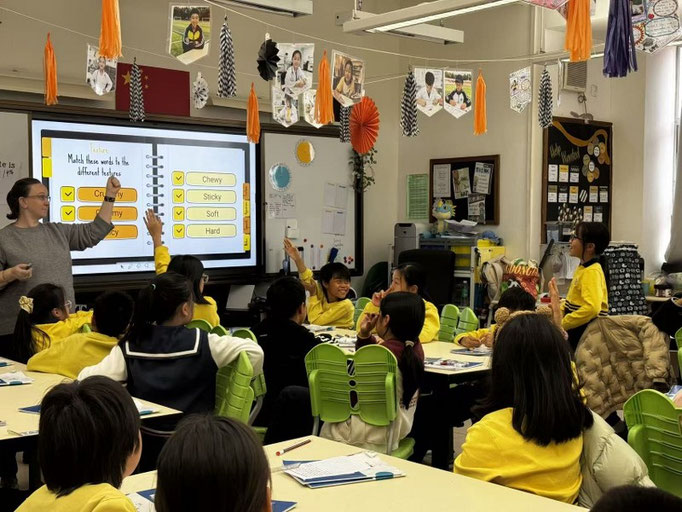
Recently in Grade 5 we have been investigating food, this unit is designed to help students understand not just what they eat, but why it matters. Our journey begins with building a strong foundation in food vocabulary. Students learned about the major food groups, such as fruit vegetable, protein and carbohydrates.
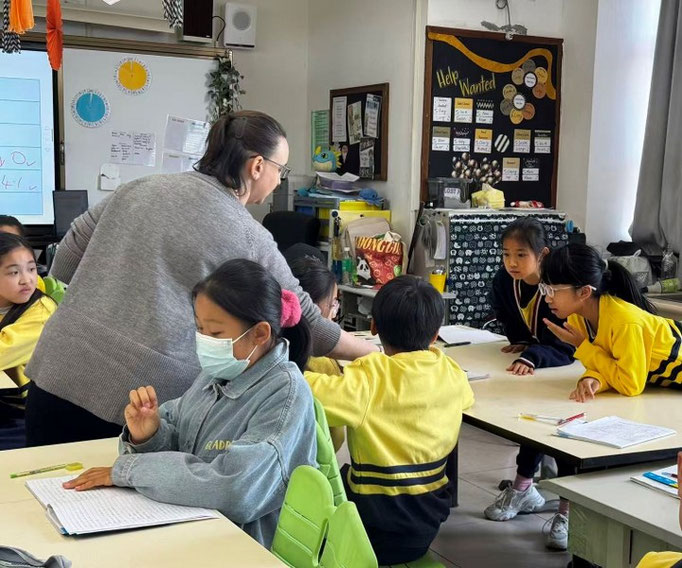
Vocabulary was then expanded to adjectives used to describe food, including taste, texture and appearance. The students discussed different types of foods that are sour, sweet, salty, bland and bitter. Using this vocabulary the students reviewed their own diets and decided if their diets are unhealthy or healthy. We shared ideas about how we can make or diets better and what foods we should avoid.
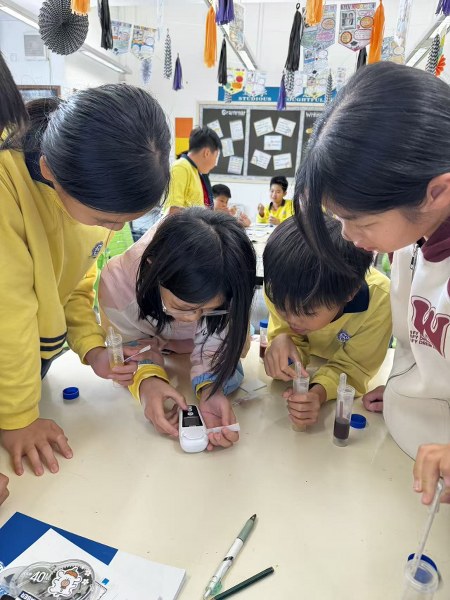
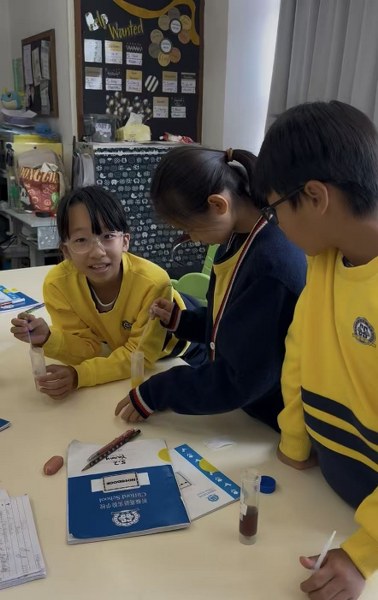
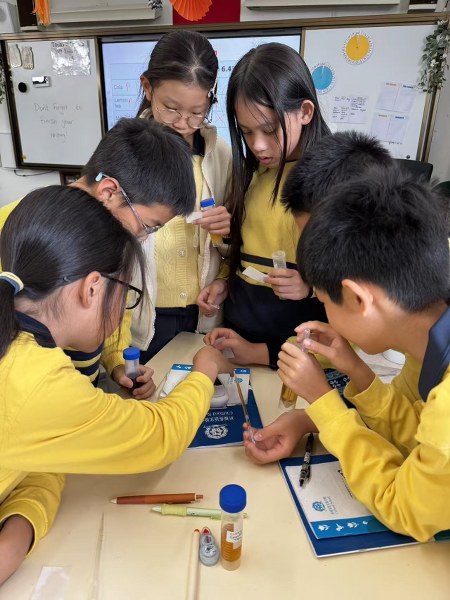
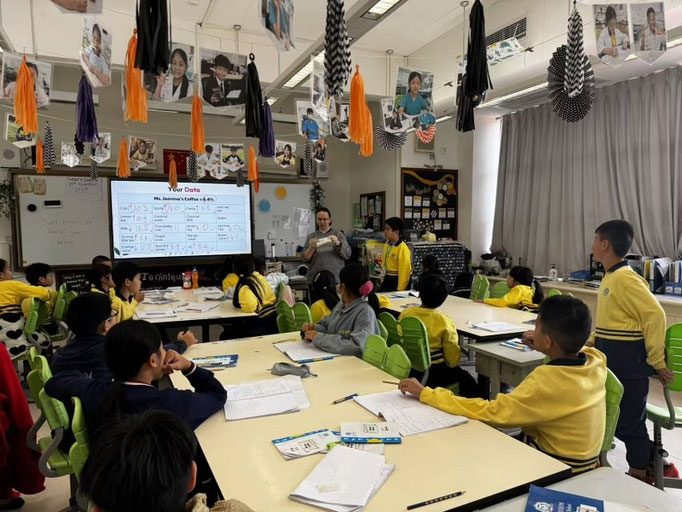
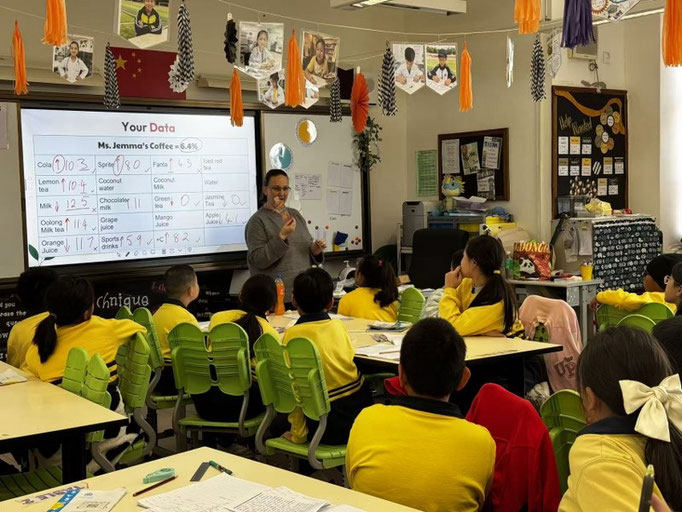
Next, we conducted a hands-on experiment, the students were given a sample of their favorite drink, we tested each drink to see how much sugar was in each drink. The students compared this to the amount of sugar in the teacher’s favorite drink. The students were most shocked by the high sugar content in milk, which sparked an interesting discussion about the other benefits of drinking milk and that we can’t just judge a food or drink on one element alone.
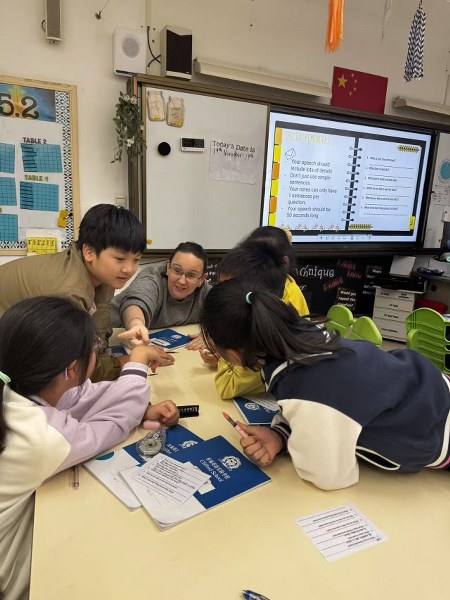
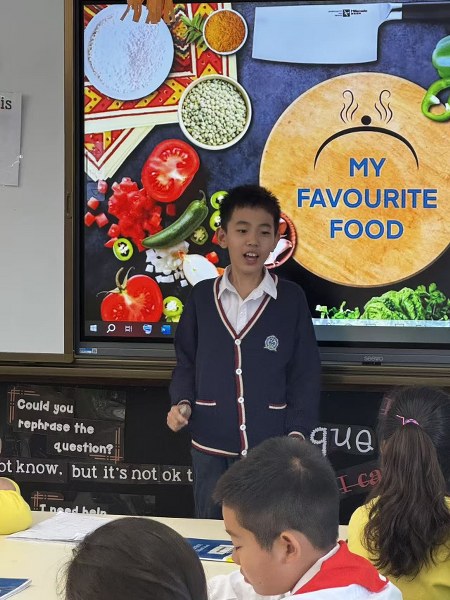
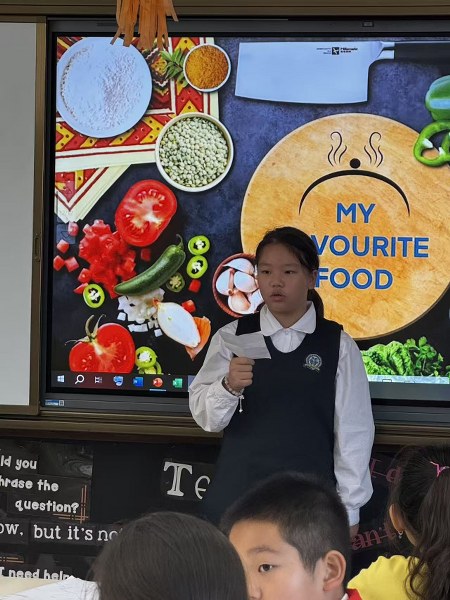
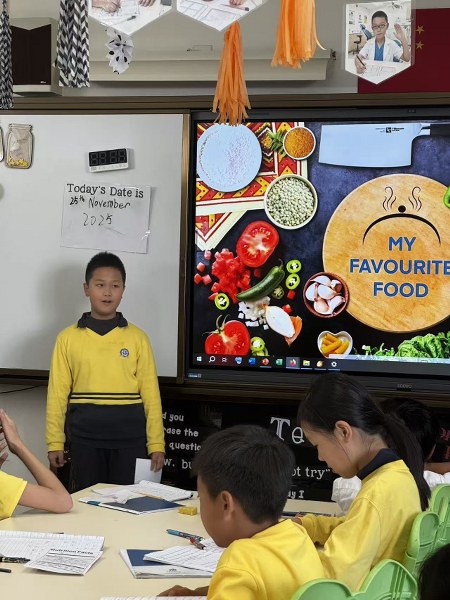
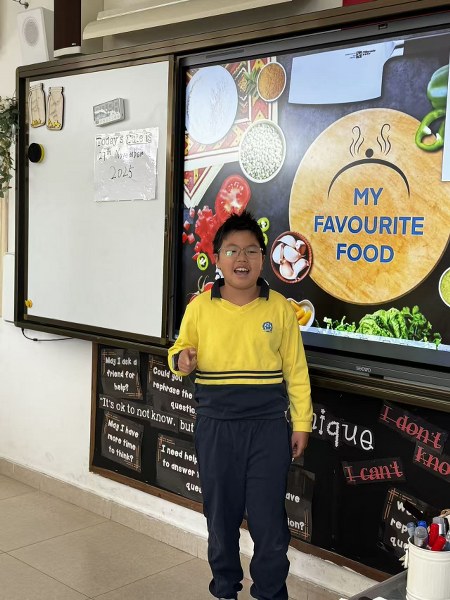
We closed the unit with the student using all of the information they gathered to deliver a speech about their favorite meal. Making sure to give specific details to describe the food and explaining why they love it.

Ms Maria Grade 5 (December, 2025)
Playing with Prefixes
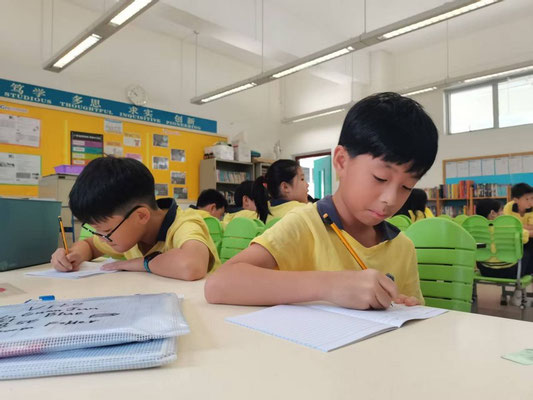
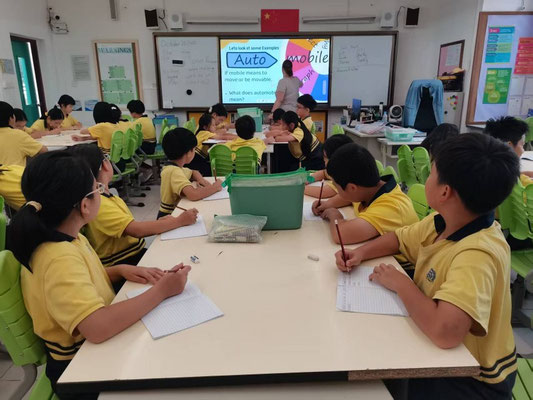
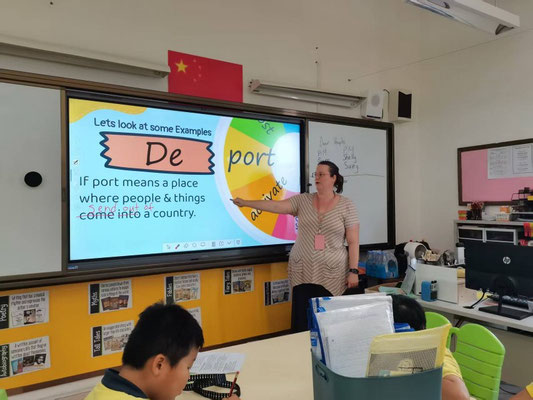
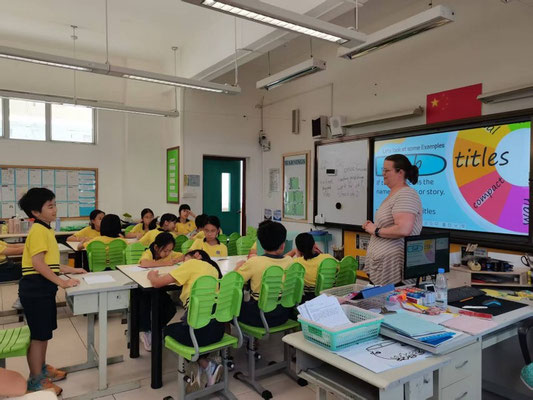
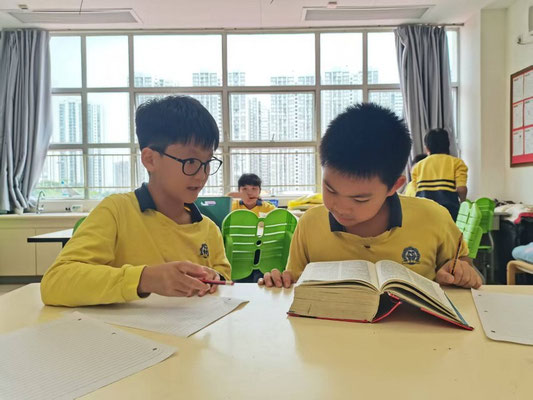
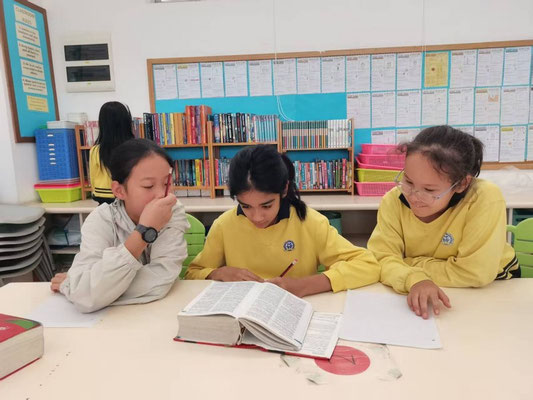
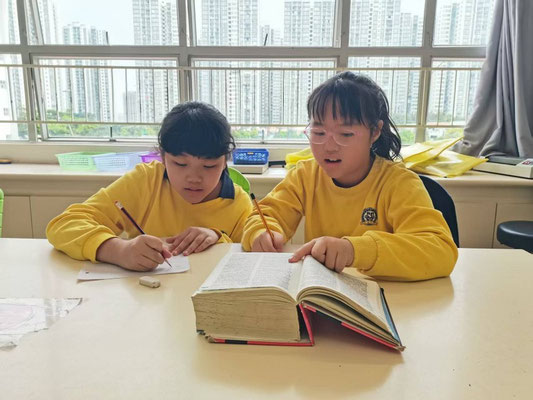
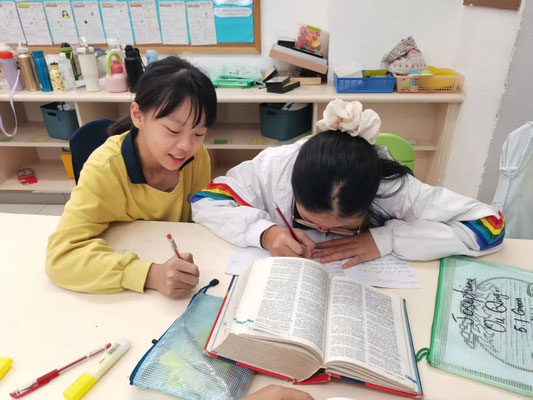
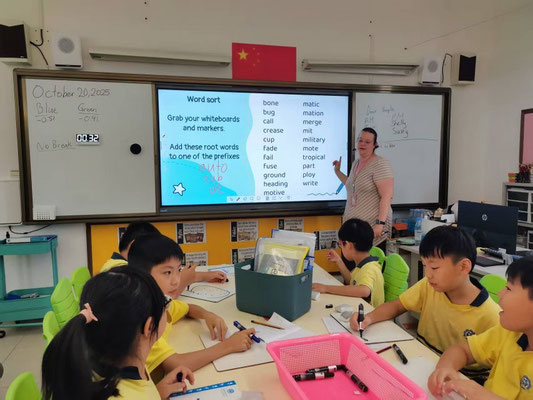
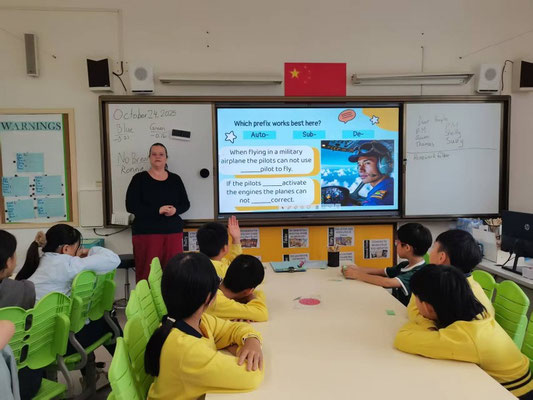
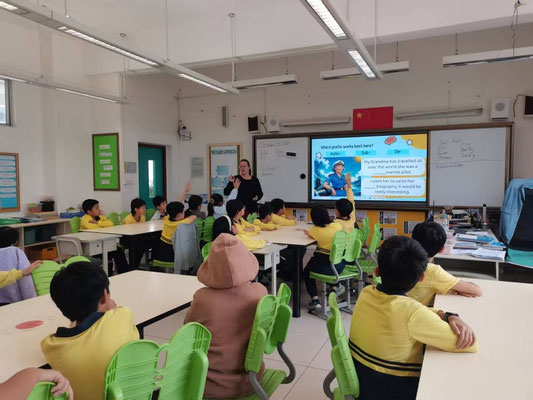
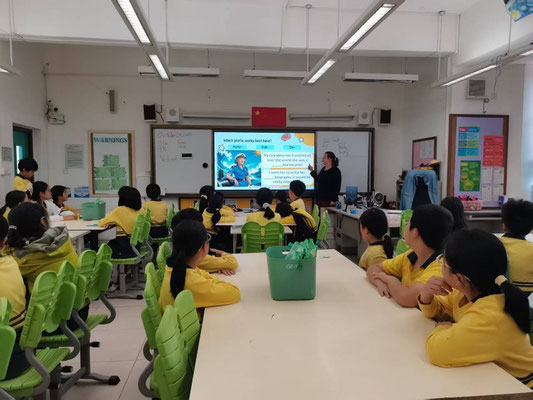
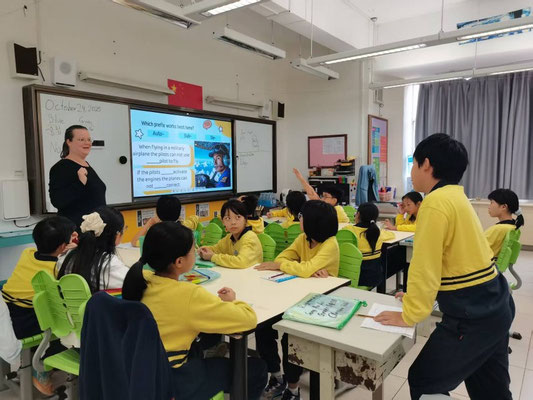
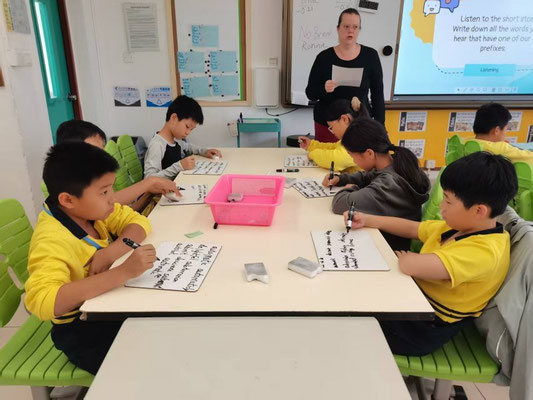
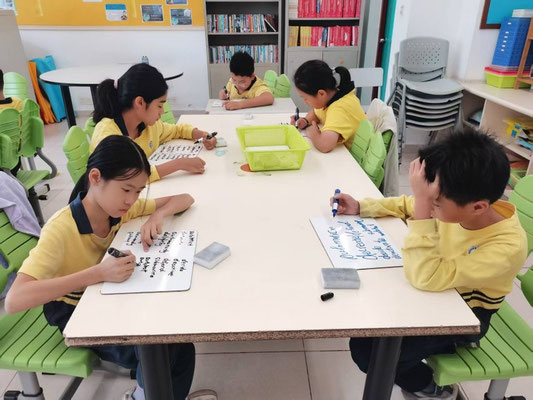
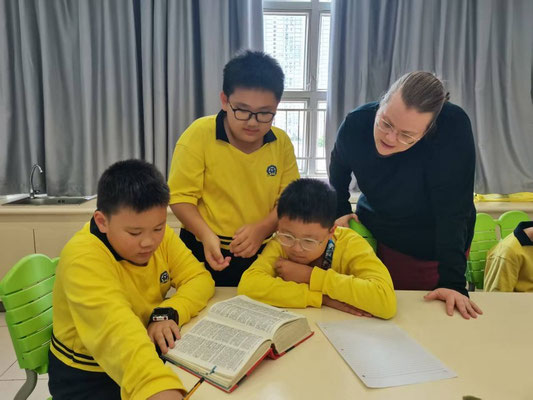
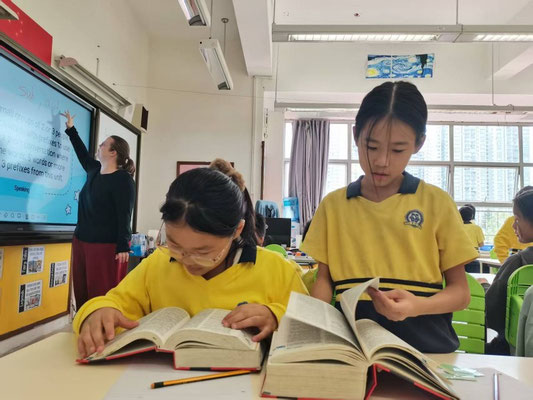
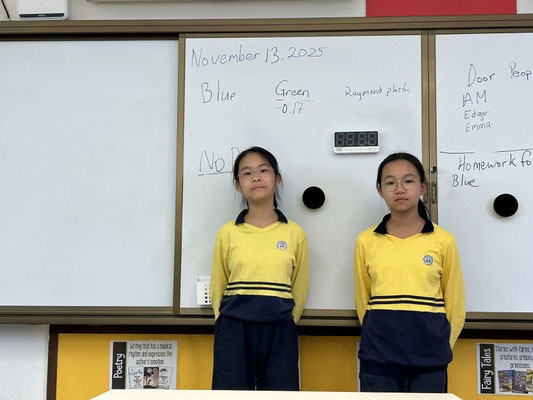
For the last month, students have been learning about three different prefixes, their meaning, and how they can change the meaning of base words. They started with learning the meanings of the prefixes auto-, sub-, and de-. Then they looked at words that used these prefixes. They were told the definition of the base word and the students had to come up with a new definition when adding the prefix. Students were shown 5 to 6 words and they had to guess if the word was real or fake. Students then got dictionaries to create their own version of the real and fake game that they then played. The next week, students quickly reviewed the meaning of the three prefixes before going over more words, and again they had to create their own definition. Next, the students used whiteboards to add the three prefixes to base words that were provided and then they checked their answers to see if they managed to match prefix with base word correctly. They had to match prefix with word to fit the sentences. They listened to a short story and wrote down as many words that they heard that had the prefixes in them. The third week they again reviewed the prefixes and words that use them. As a final project, the students worked in small groups to create a conversation using various prefixes and then present to the class.

Ms Trudy Grade 5 (November, 2025)
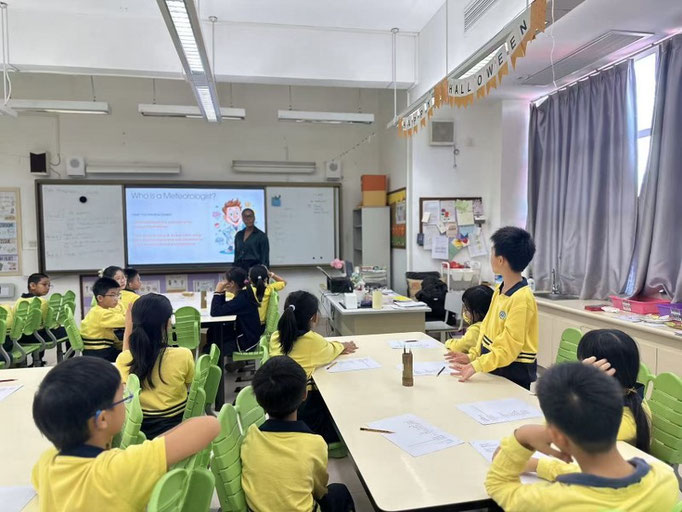
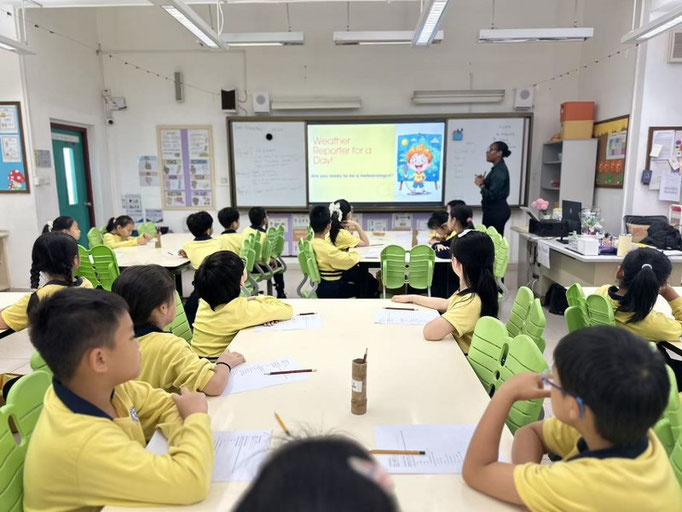
Weather Reporters for a Day
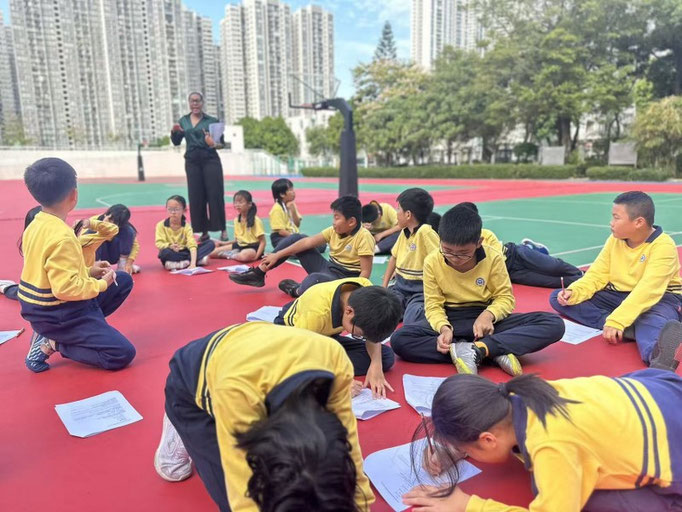
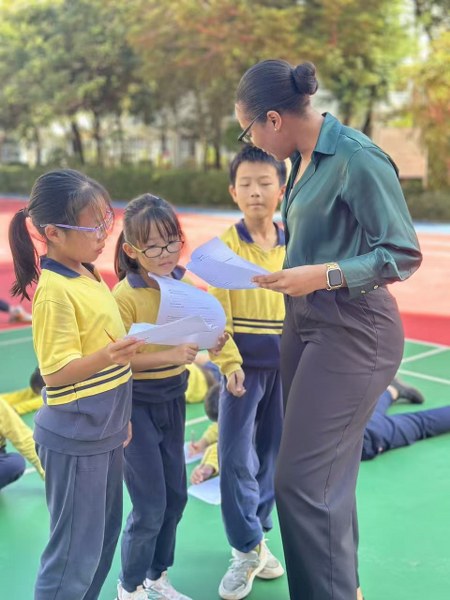
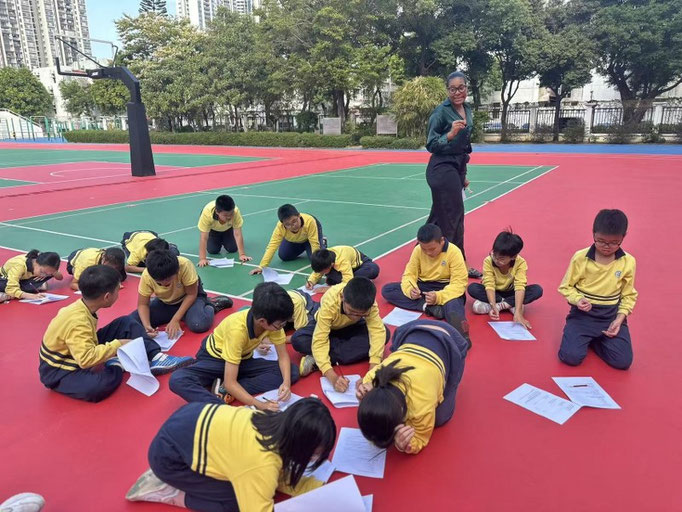
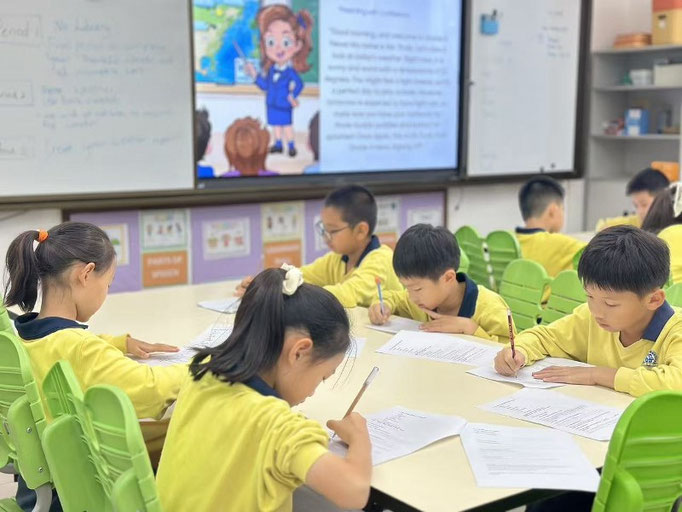
As part of our science theme on Weather, our class took part in an exciting hands-on project called “Weather Reporter for a Day.” The goal was to explore how meteorologists study the weather and to practice using weather words in a fun and creative way. The lesson began with a lively discussion: “What’s weather?” The, students identified the key terms like sunny, cloudy, windy, and stormy. They discovered what meteorologists really do.
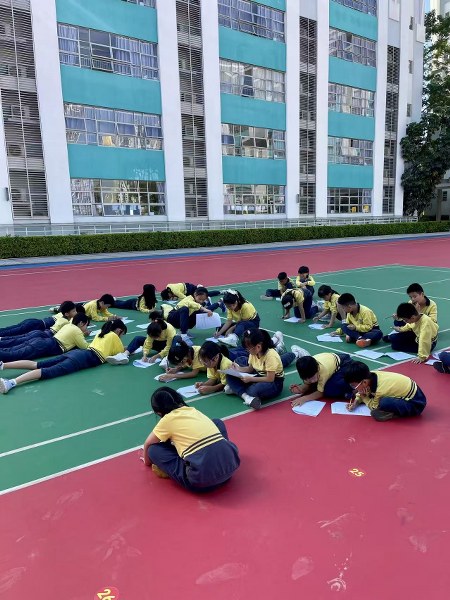
Then, armed with observation sheets, our young reporters stepped outside to become weather detectives. They recorded temperature, cloud types, wind strength, and more, just like the pros!
But the real excitement began when they wrote their very own weather reports. Using complete sentences and expressive language, each student crafted a unique forecast. Some even added their own flair, like recommending a perfect day for flying kites or warning about a hurricane.
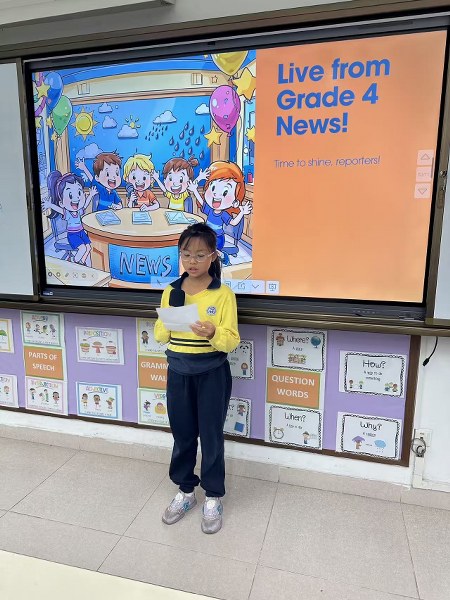
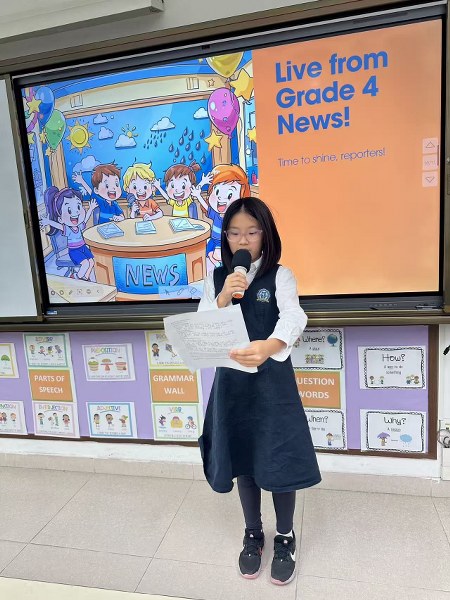
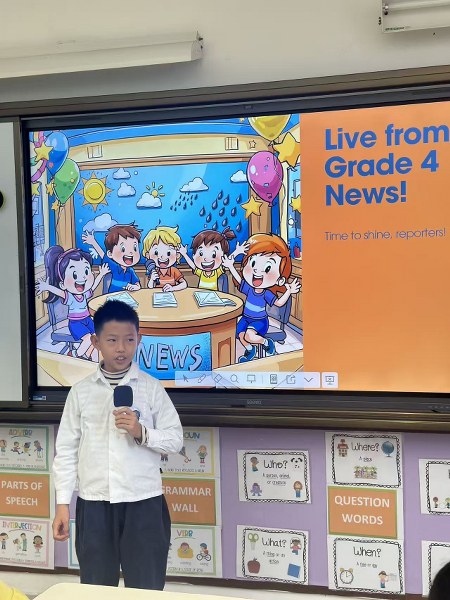
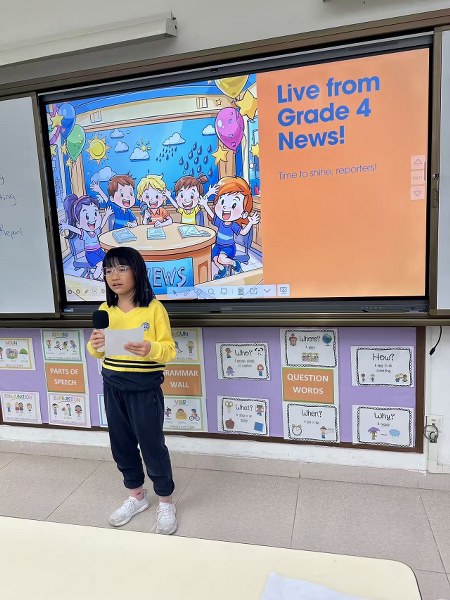
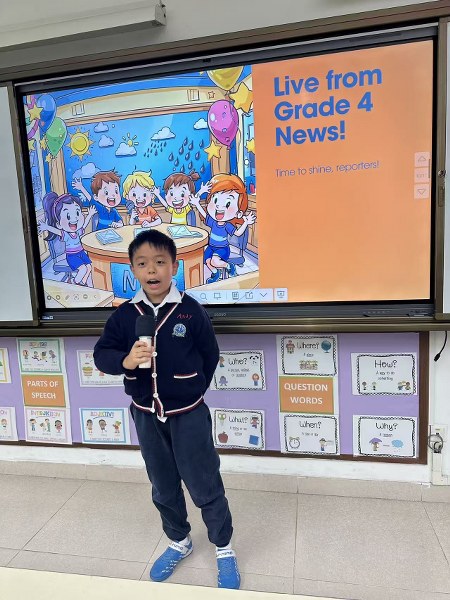
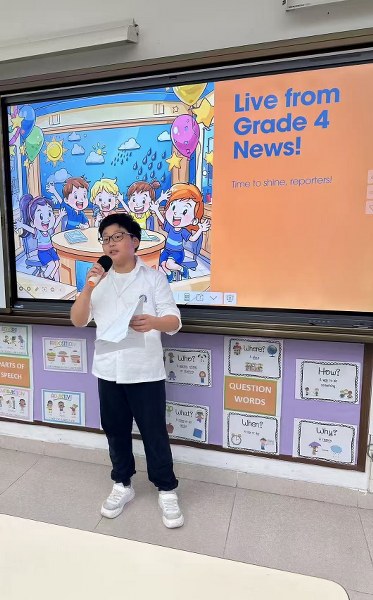
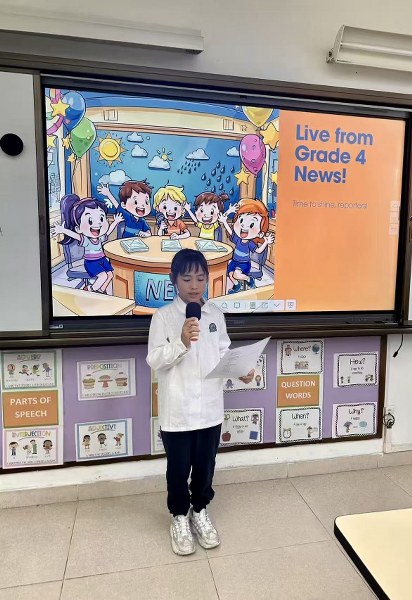
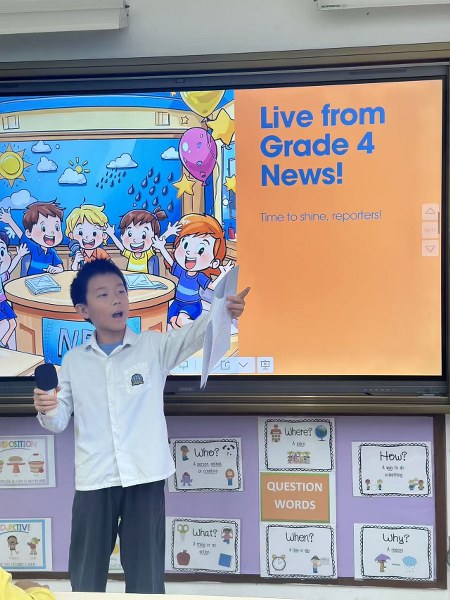
Finally, it was showtime! With their microphones in hand and a “Grade 4 News Channel” backdrop, our reporters took turns presenting their forecasts. From calm and clear deliveries to dramatic storm updates, every performance was met with cheers and applause.
Through this hands-on lesson, students didn’t just learn about weather, they practiced observation, writing, and public speaking in a fun, supportive environment. They walked away not only as budding scientists but as confident communicators.

Mr Ryan Grade 2 (November, 2025)
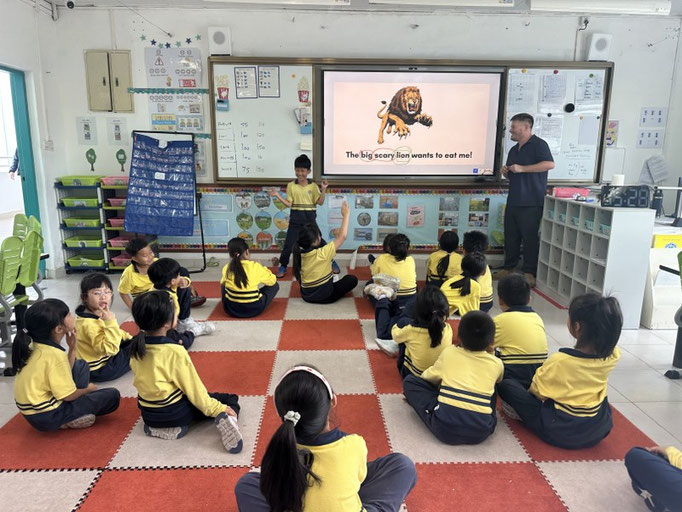
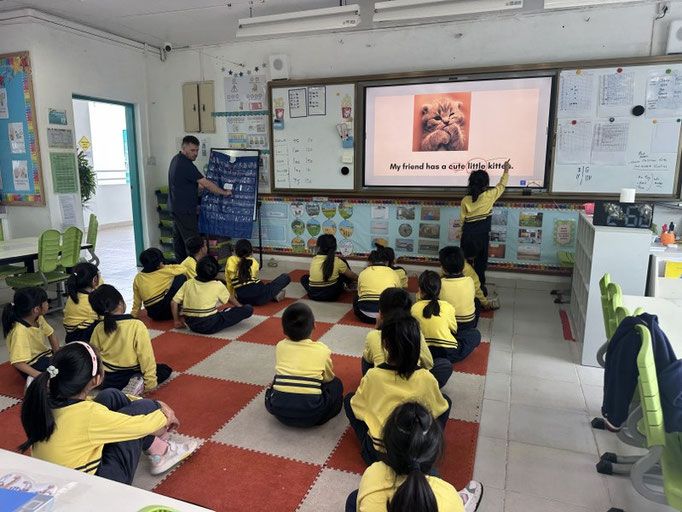
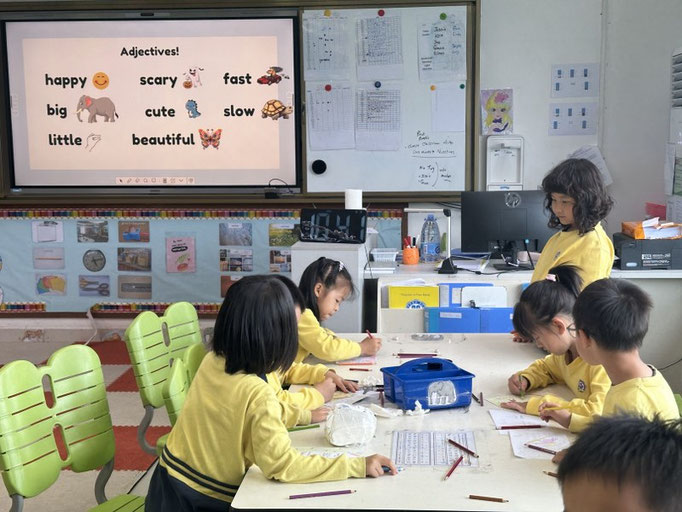
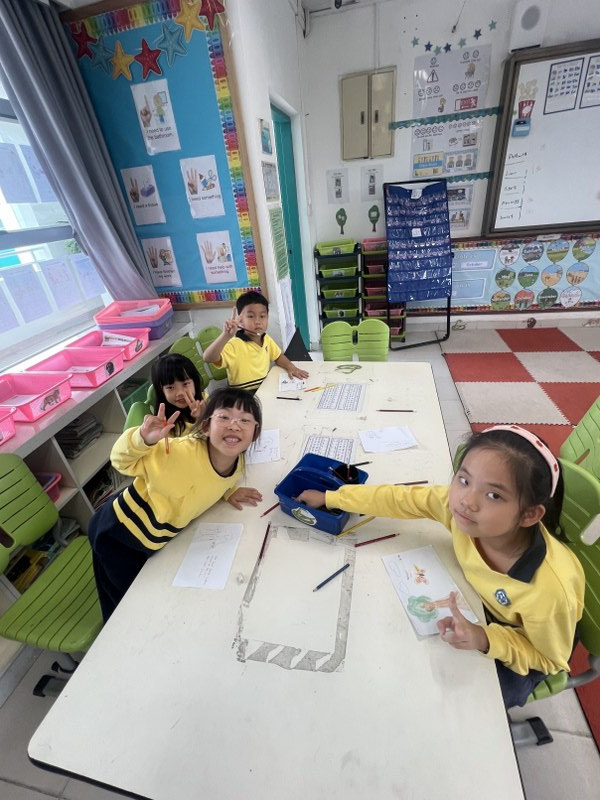
Exploring Nouns and Adjectives in Grade Two!
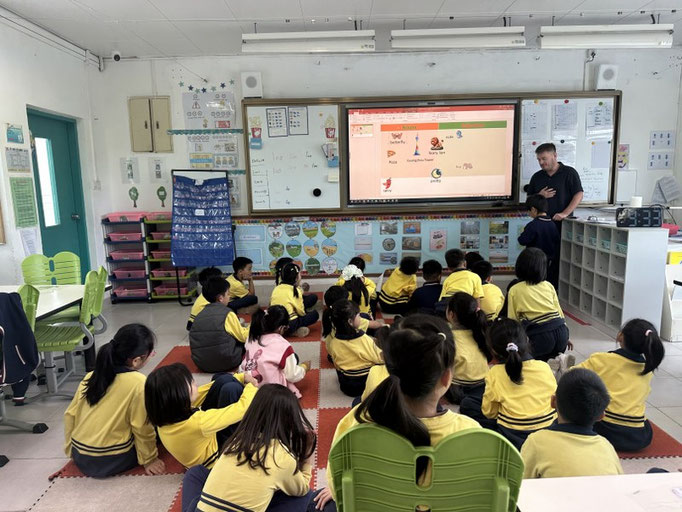
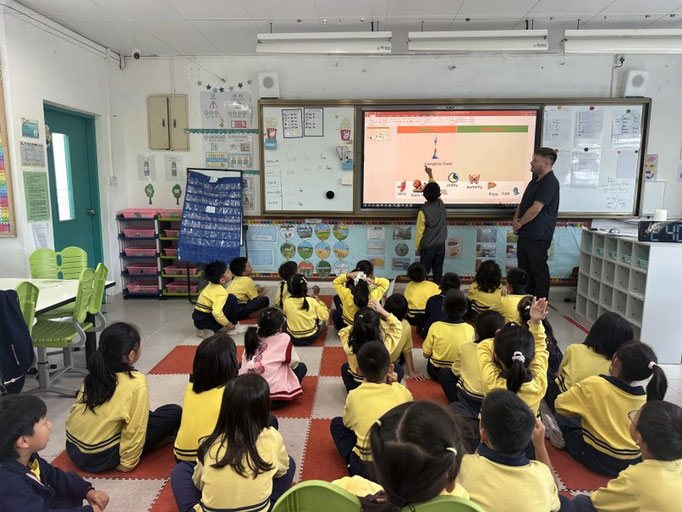
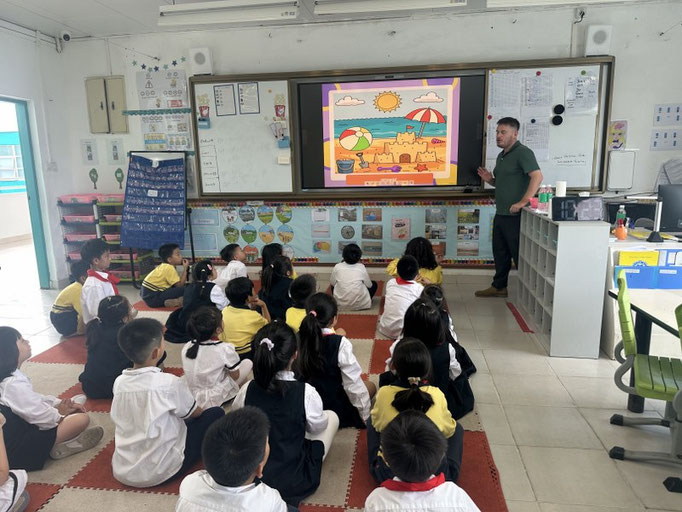
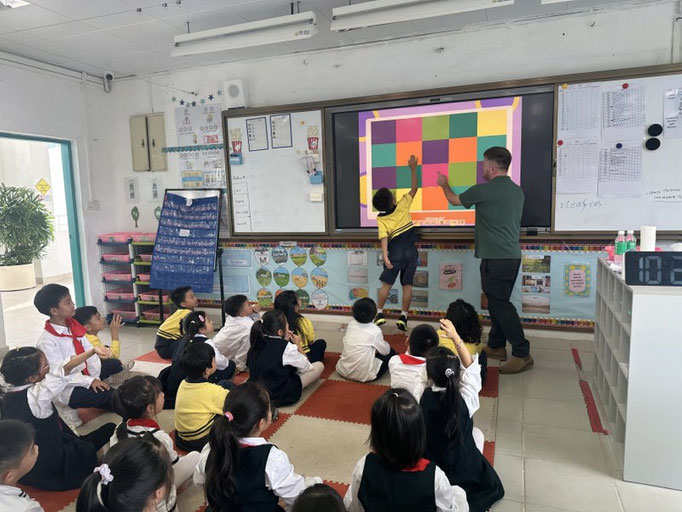
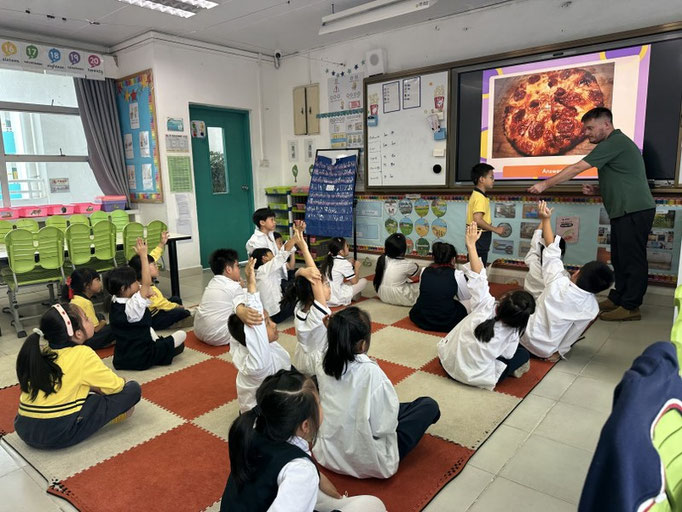
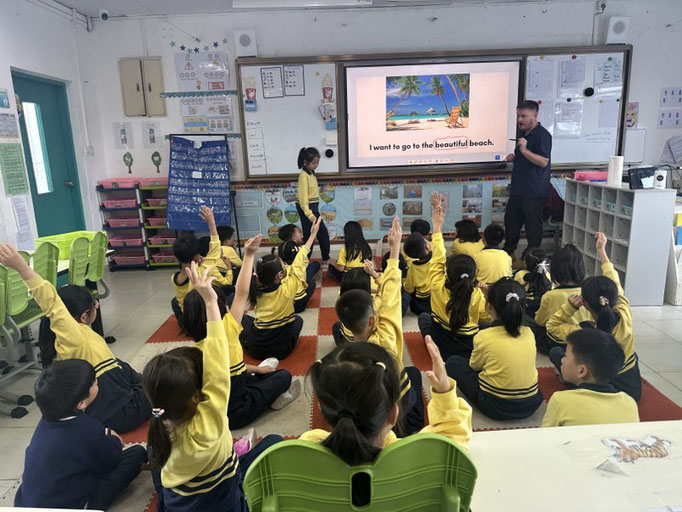
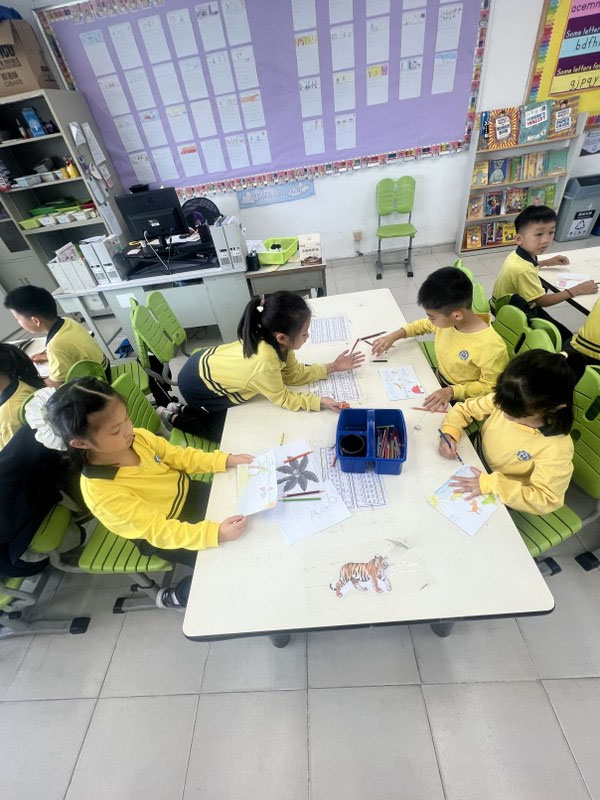
This week in Grade Two, we continued our English learning journey by exploring nouns and adjectives through a series of fun, interactive, and creative activities. To begin the lesson, students worked together on the interactive whiteboard to sort different words into two groups: nouns and adjectives. This activity helped them build confidence as they discussed each word and decided where it belonged.
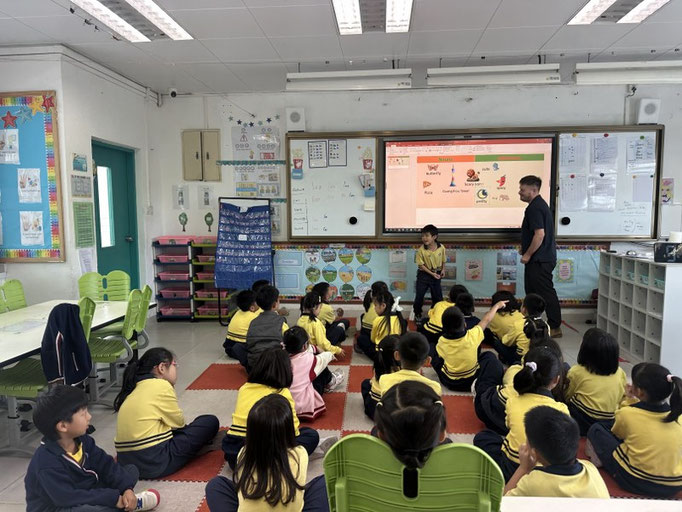
Next, students took turns coming up to the board to uncover the hidden noun behind colorful squares. Each time a new picture was revealed, the whole class joined in to describe it using a range of adjectives. This was a great way to practice vocabulary and encourage students to speak out loud, share ideas, and build descriptive sentences together.
We then moved on to a highlighting activity, where students helped the teacher identify nouns and adjectives in simple sentences. Using two different colors made it easy for them to visualize the difference between the two-word types, and students enjoyed coming up to the board to demonstrate their understanding.
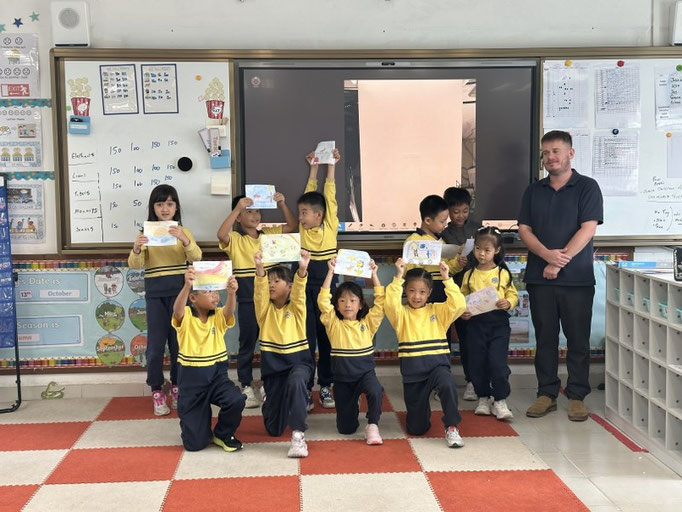
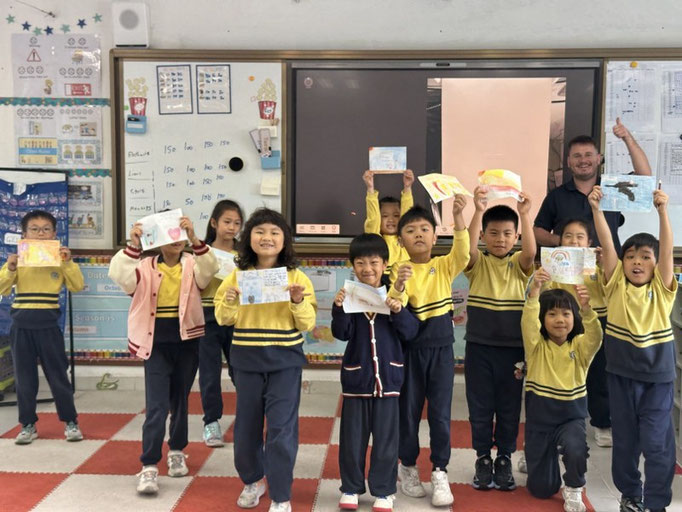
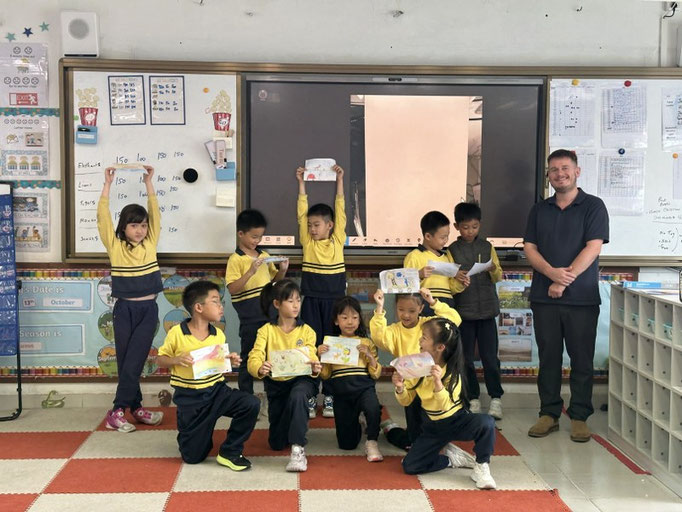
To finish the lesson, students created their own bright mini-posters. Each student drew two nouns of their choice and wrote sentences using two colors to clearly show the nouns and adjectives. This creative task allowed them to express their ideas while practicing accurate sentence structure.
We ended the class by showcasing their wonderful work and celebrating their efforts with a well-deserved round of applause!

Mr Keeler Grade 3 (November, 2025)
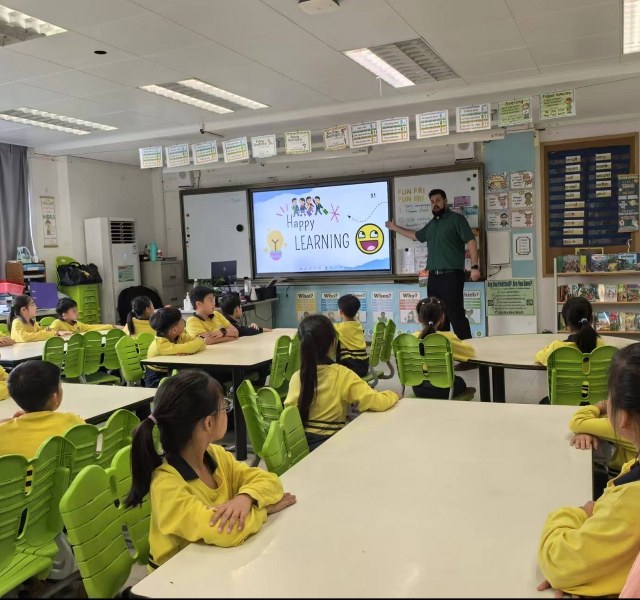
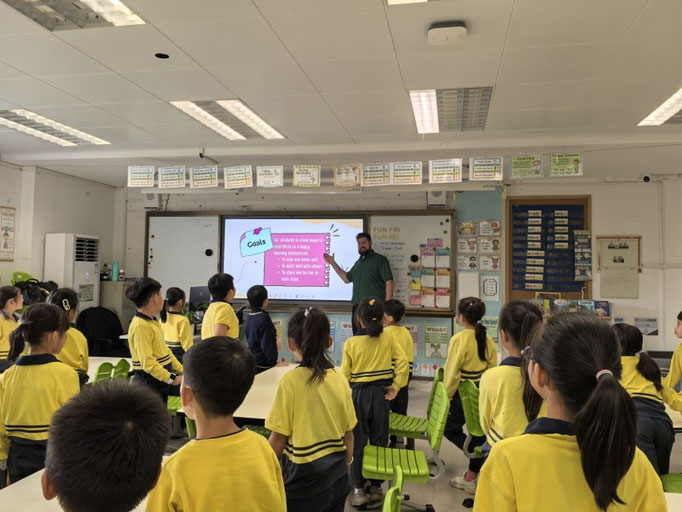
Theme Class – Happy Learning
For our most recent theme unit we explored the topic “Happy Learning”. We discussed how good habits can contribute to a positive learning environment for everyone. Students began by brainstorming behavioral choices which were helpful to building a positive learning environment and actions which can by unhelpful. Some students were able to give some simple explanations as to why some behaviours, such as listening well, are useful in the classroom and why other behaviours, such as shouting, are not helpful.
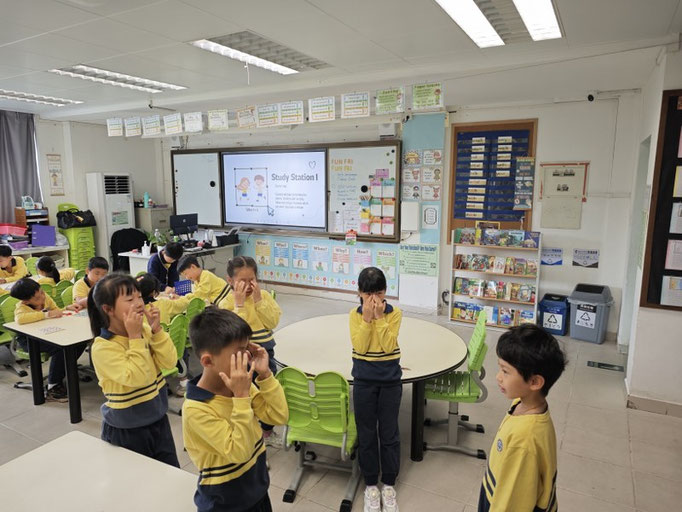
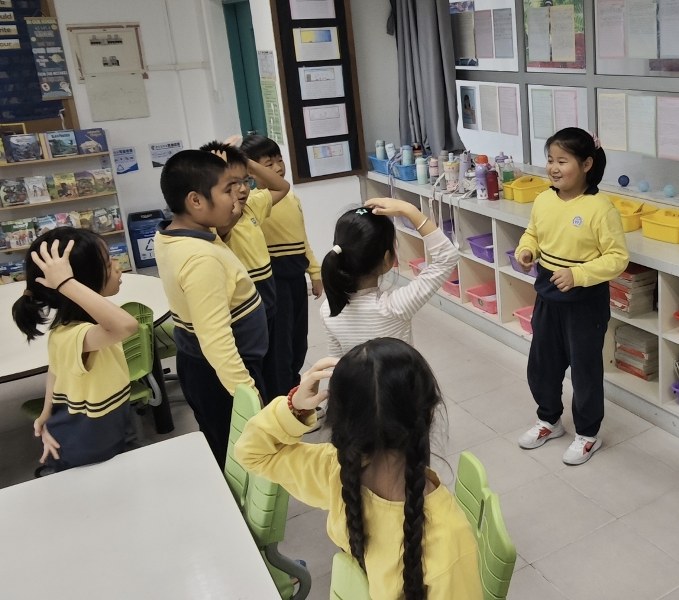
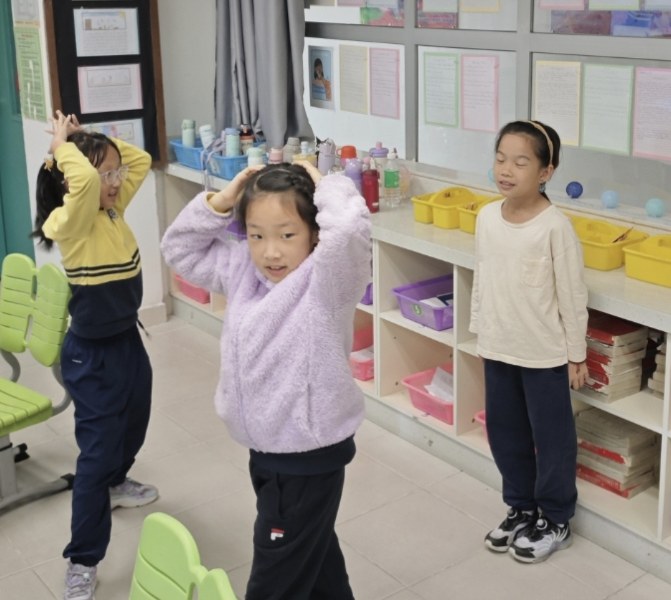
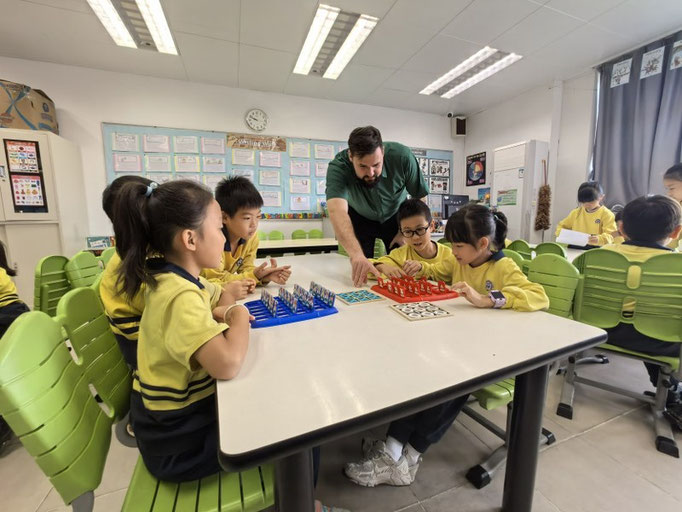
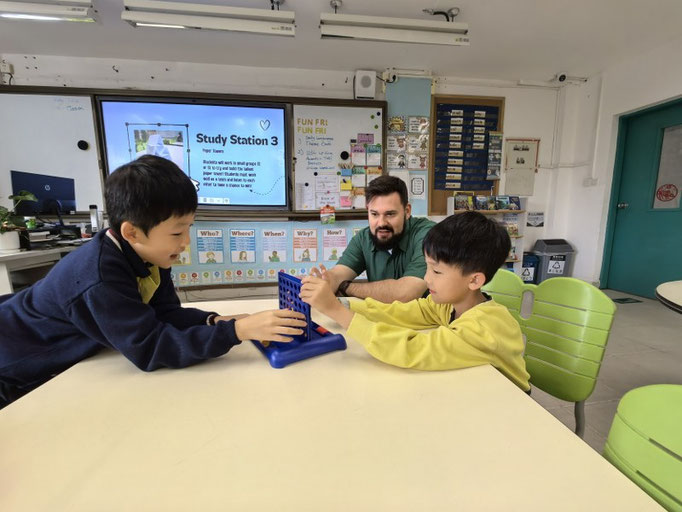
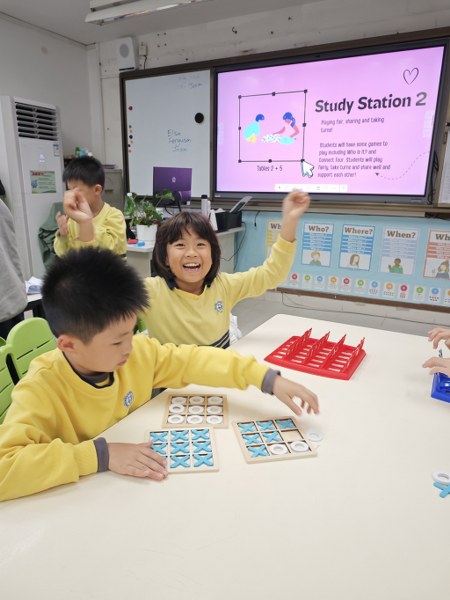
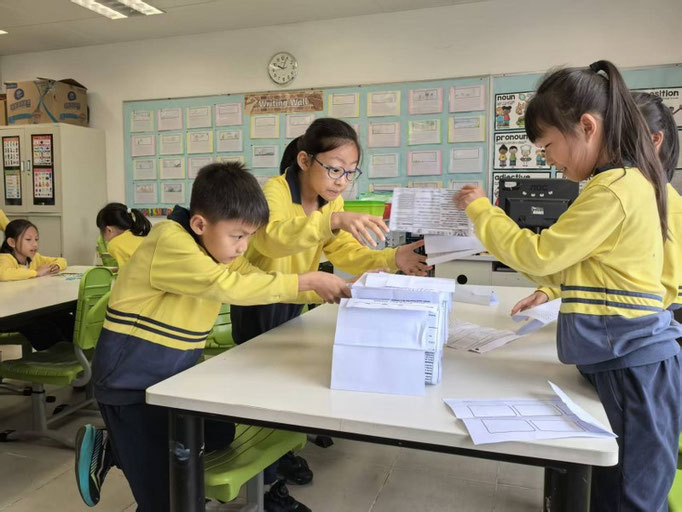
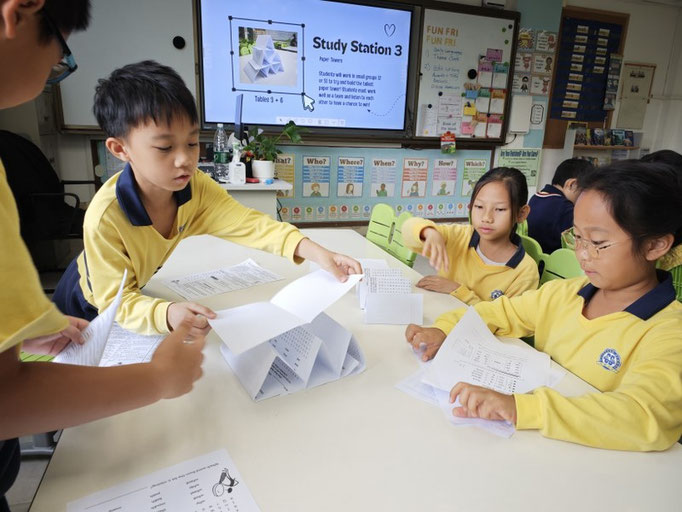
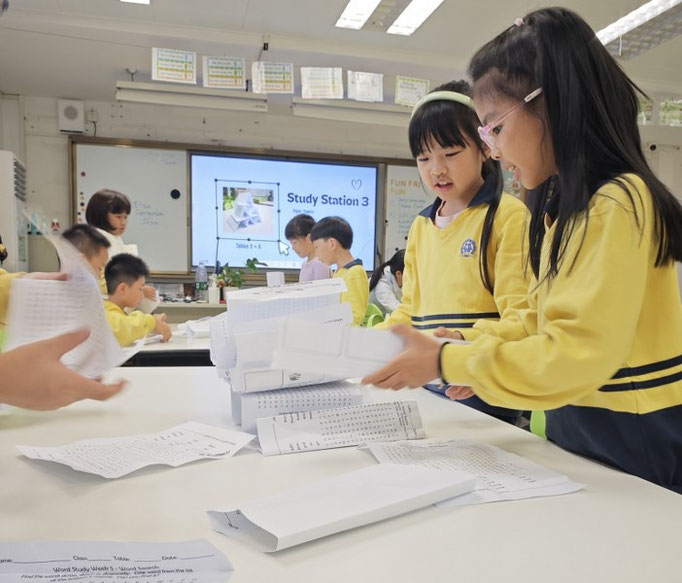
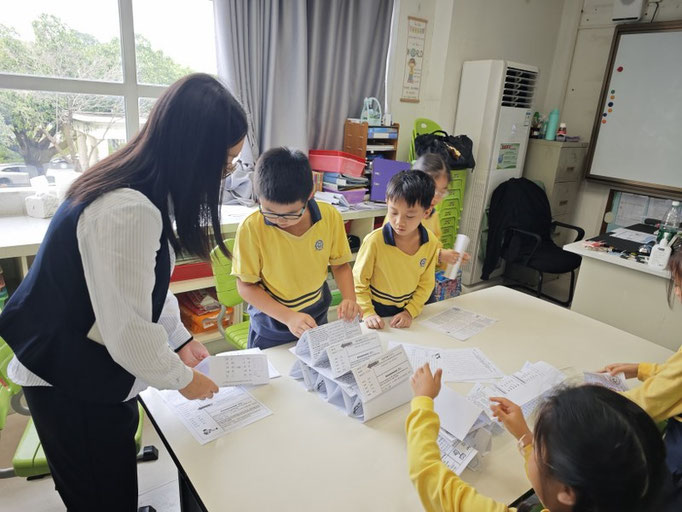
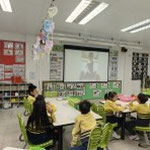
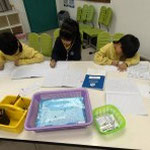
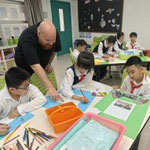
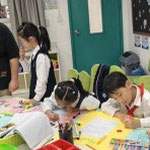
In order to give the students opportunities to apply these helpful behaviours in a number of different settings we split the class into three groups. We set up three work stations where groups would take turns. Each work station had a different focus. At the first work station, the students’ main goal was to look and listen carefully. Students were also encouraged to take turns too, to ensure that each student had a chance of leading the activity. At the second work station, the focus was on sharing and fairness. Students were given an uneven number of activities so they had to work together and share to ensure that each student had a chance to try each activity within the limited time frame. The third work station had a more competitive element as groups raced against the clock to build the largest paper structure in the time available (9, 10). The focus here was to work together as a team to have a greater chance of success as paper isn’t exactly the most reliable construction material.
Afterwards we reviewed each activity and discussed what worked well and what could have been improved. Students gave some examples of helpful and unhelpful behaviours and we discussed how that positively or negatively impacted on the groups’ enjoyment and success at each activity. We hope that the students continue to develop a greater awareness of the collective benefits that helpful habits and positive attitudes can yield. We will work together to make learning enjoyable and safe for everyone!

Mr B Grade 1 (November, 2025)
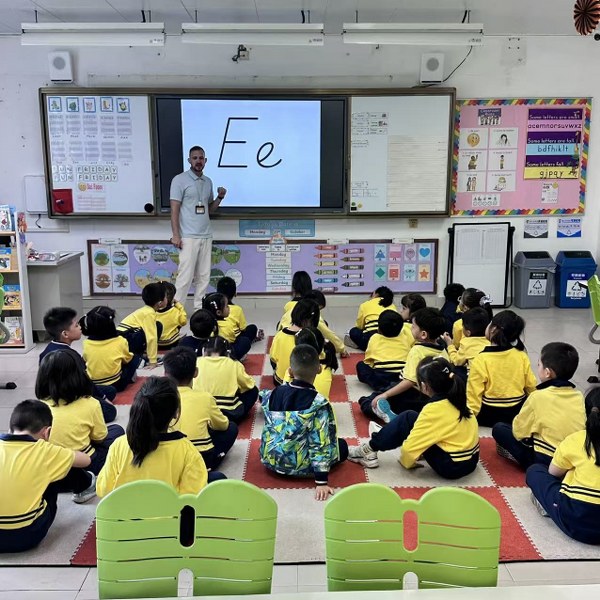
Sounding It Out: A Grade 1 Phonics Adventure
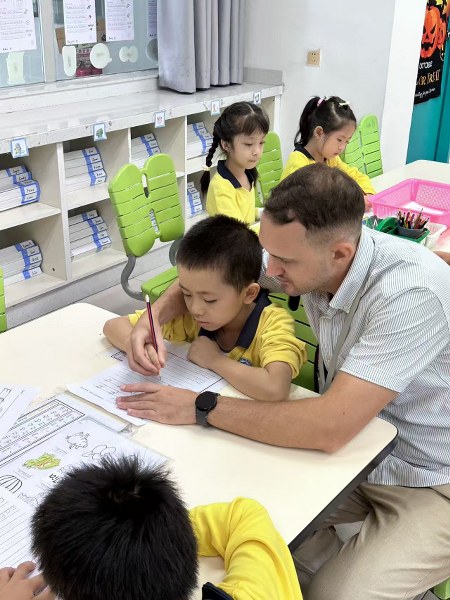
In the 1.1 classroom, our “letters of the week” adventures are a lively and interactive way to help us confidently recognize letters and master their sounds.
Each week, we start by warming up with the whole alphabet using songs and chants to drill the letter names and sounds. It’s a fun and energetic way to get our brains ready for learning.
Then, we play a fast-paced “Race and Match” game; Working in teams, we race to match lowercase letter flashcards with their capital letter partners. It’s a fun challenge that gets us moving and thinking!
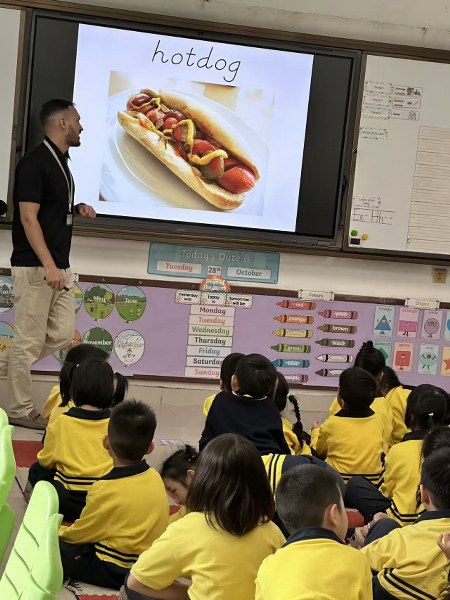
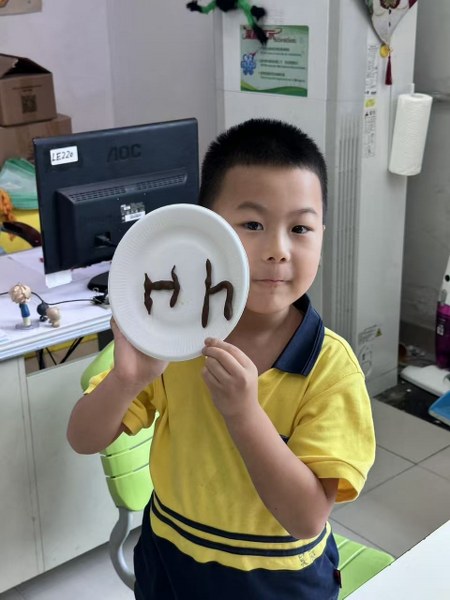
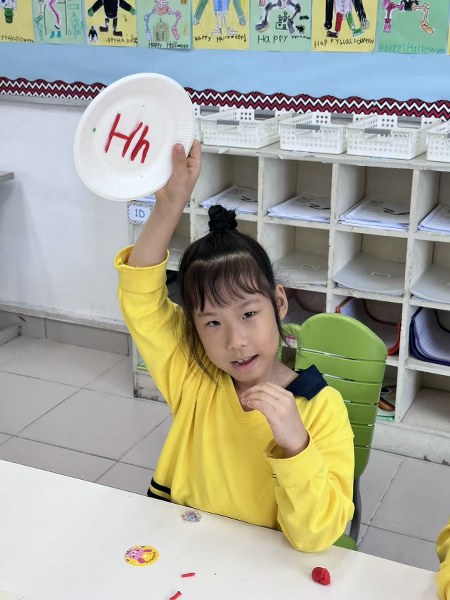
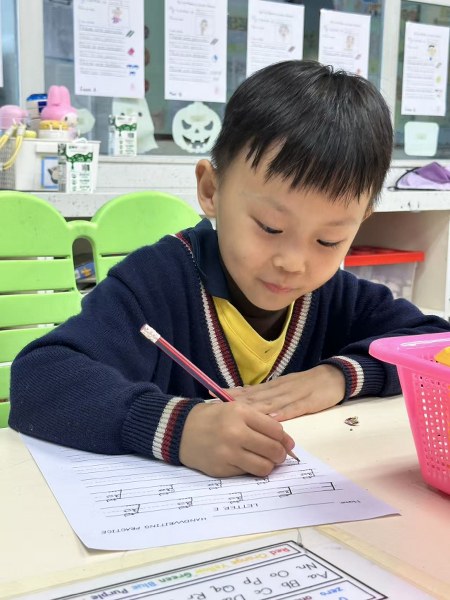
Next, we meet our target letters for the week. This week, we’re getting to know Ee and Hh! First, we listen and repeat as teacher models the sounds clearly. Then we are encouraged to share any words we might know that begin with the same sounds, before we learn some new words together.
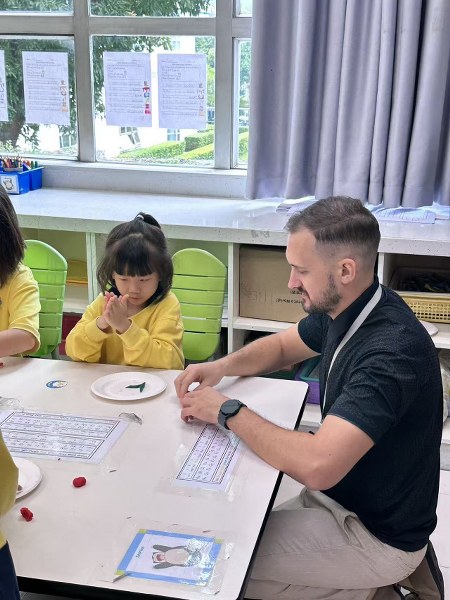
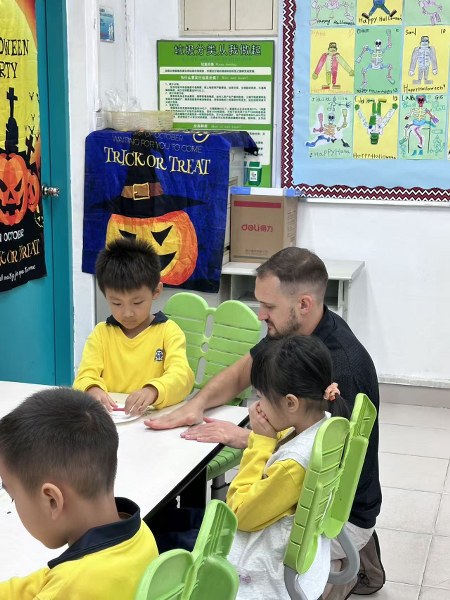
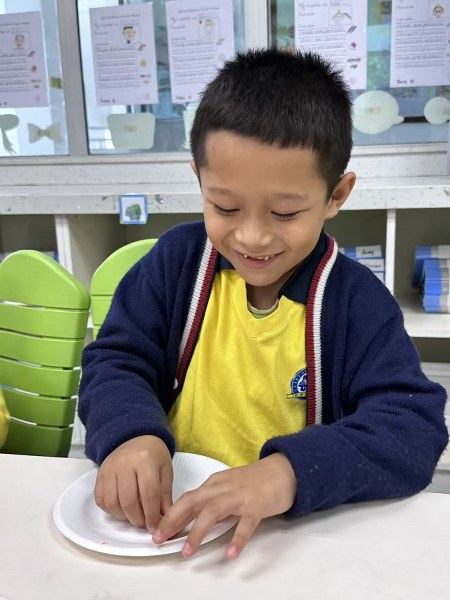
To help our hands remember what our eyes see, we use playdough to shape each letter. This hands-on activity makes the shapes of Ee and Hh stick in our minds.
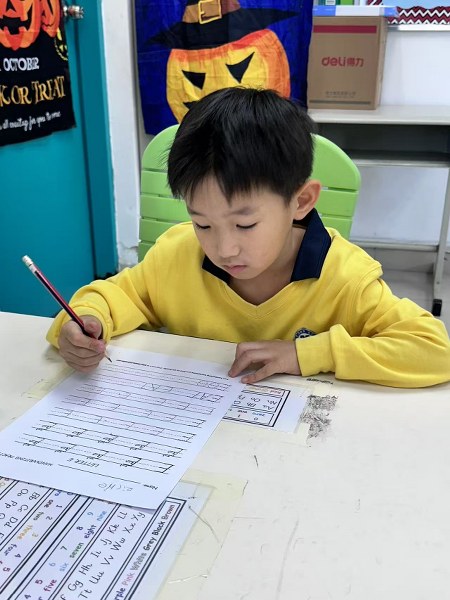
Later in the week, we practice writing with tracing and writing worksheets. We take our time to form each letter as neatly as we can, and teacher comes around to help us do our best work.
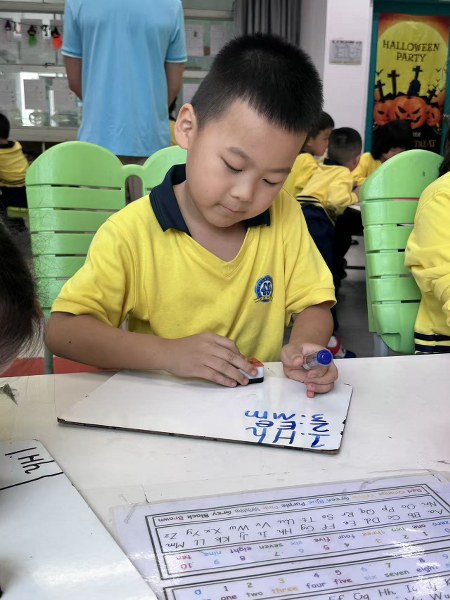
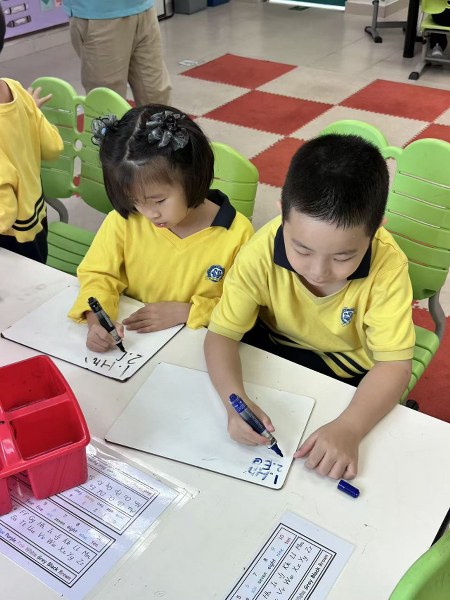
Finally, to end our weekly adventure, we become sound detectives! We listen carefully to our teacher to identify the first sound in each word he says and write the matching letters on our mini boards.
Through these engaging activities, we’re not only learning our letters and sounds, we’re building a strong foundation for reading and writing.
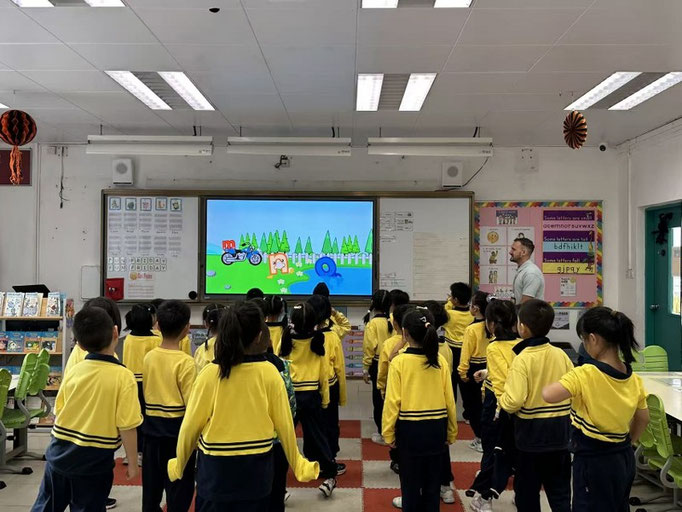
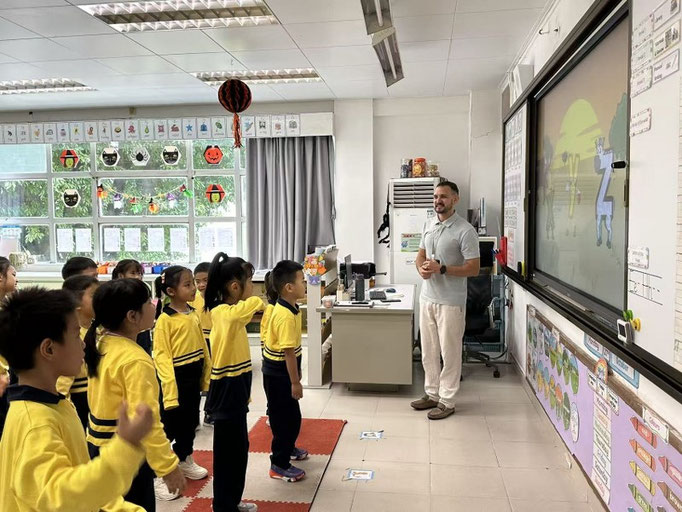
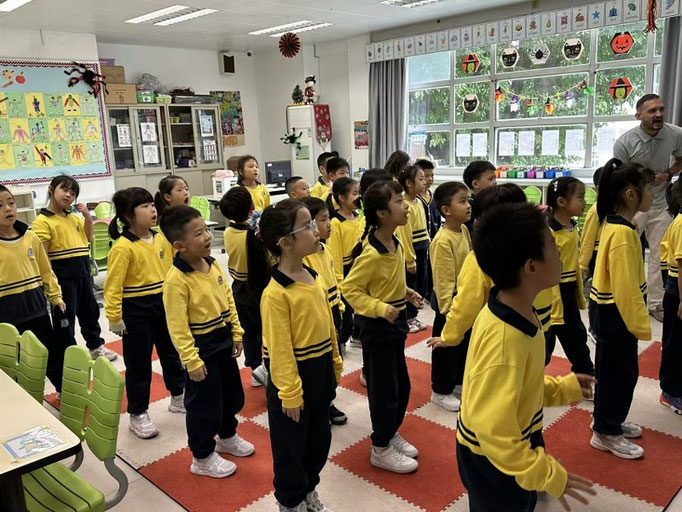
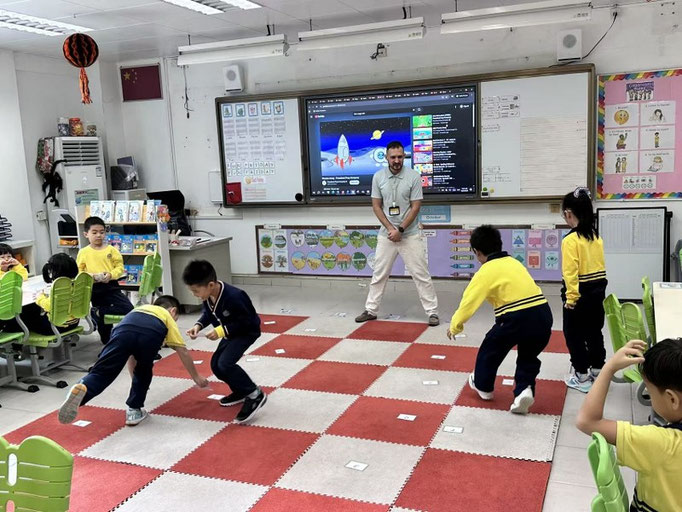
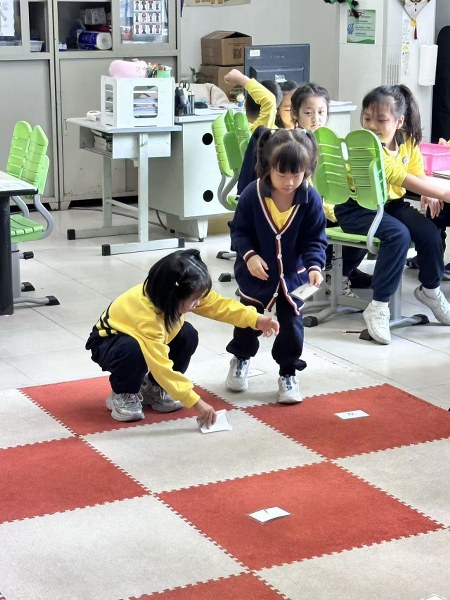
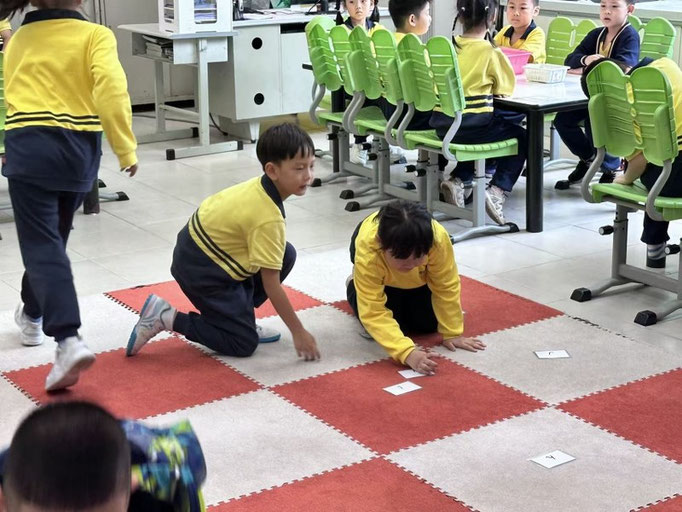
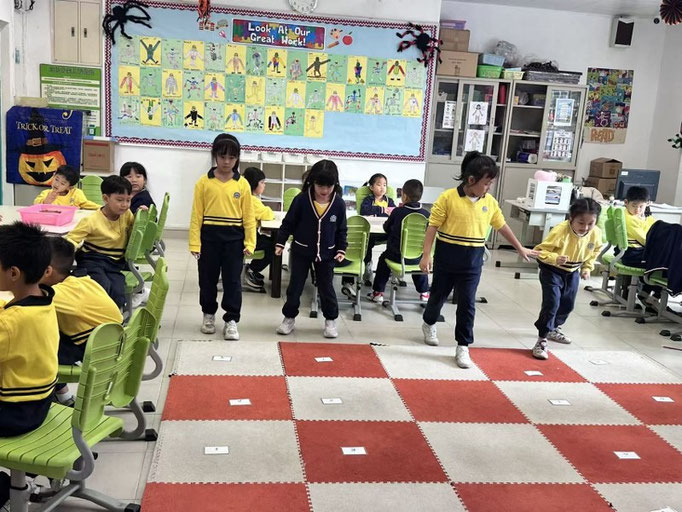
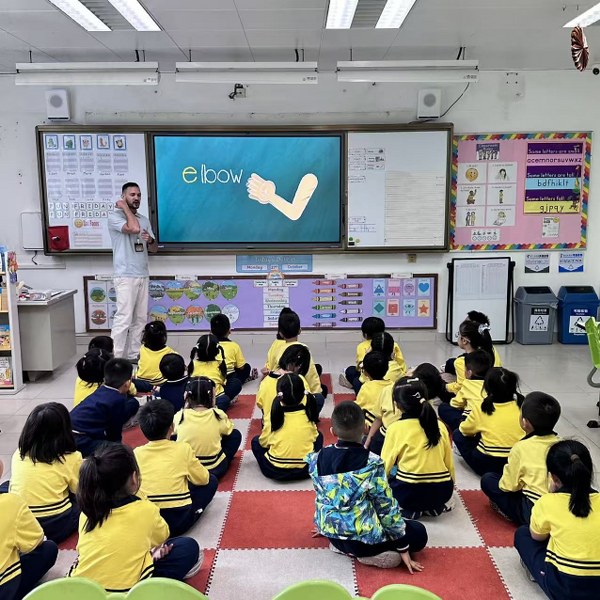

Ms Kay Grade 6 (November, 2025)
Family Dinner Presentations
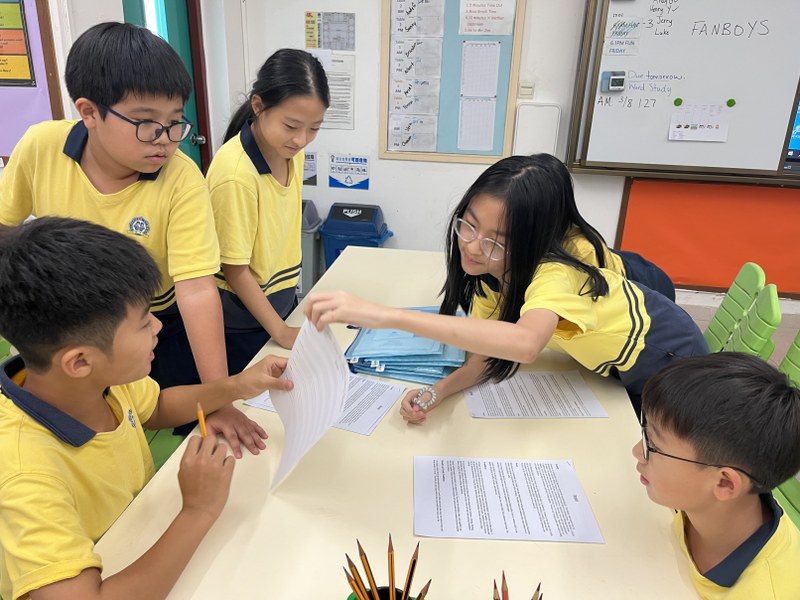
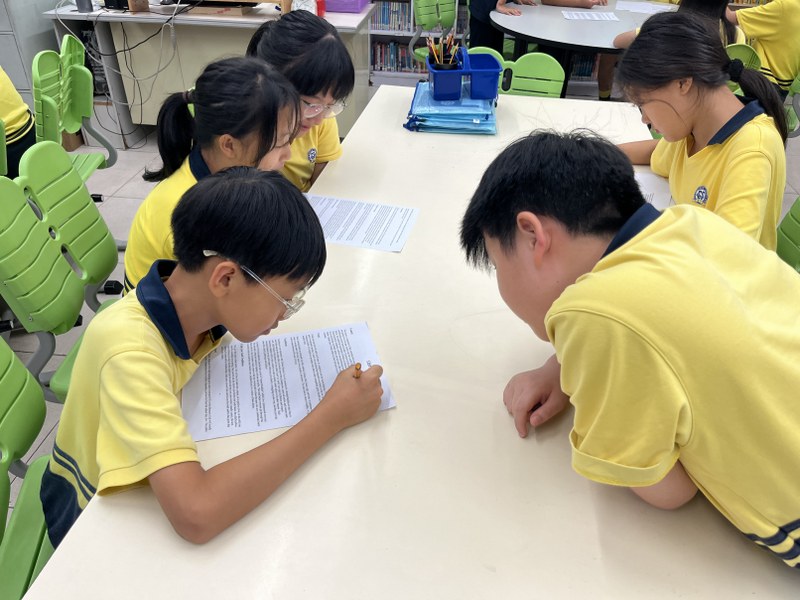
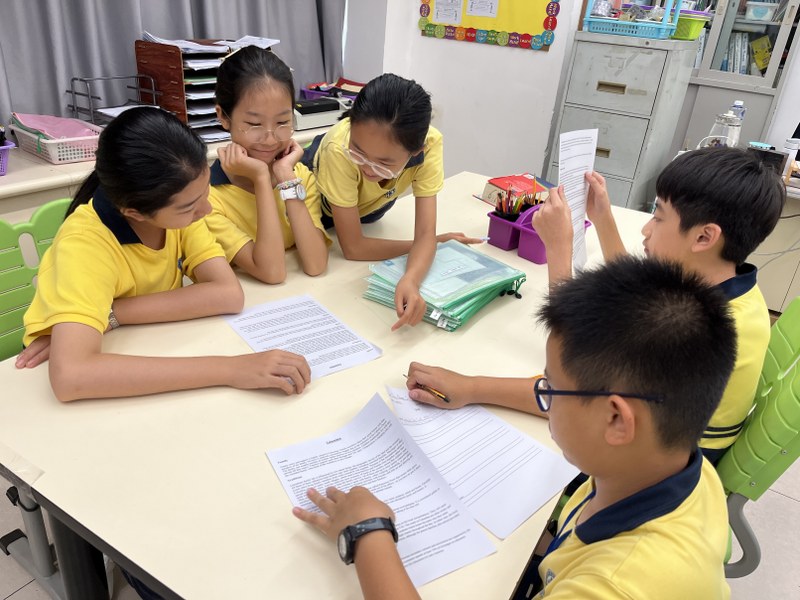
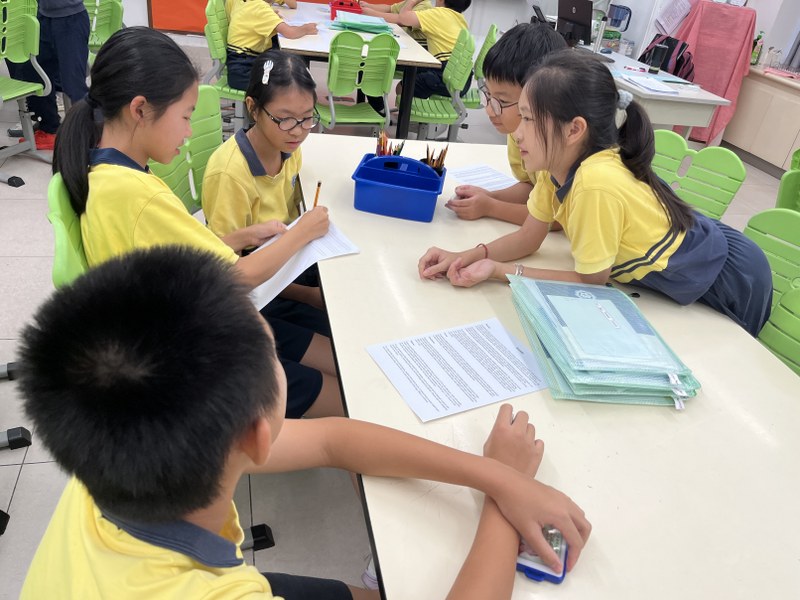
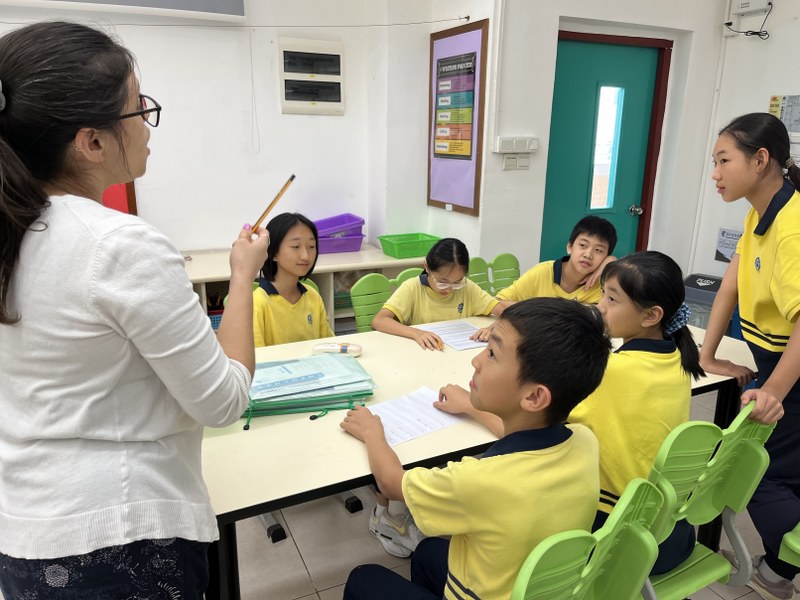
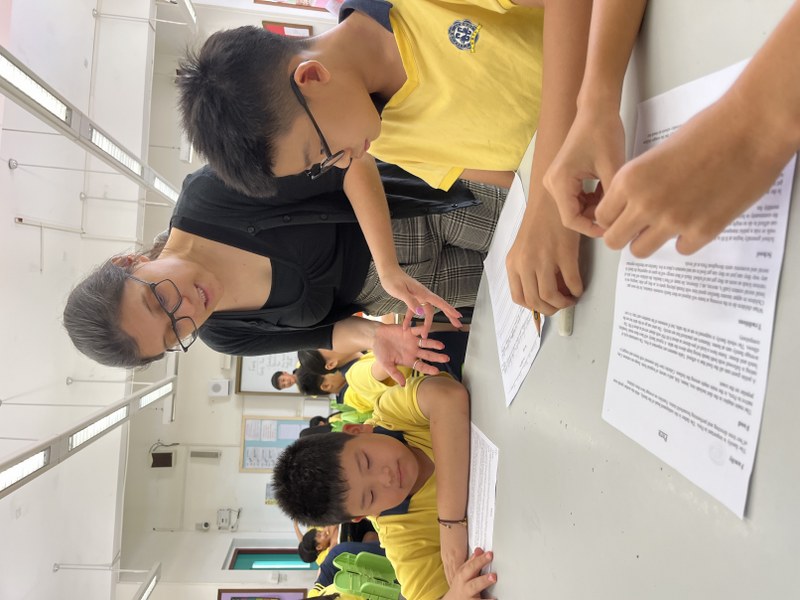
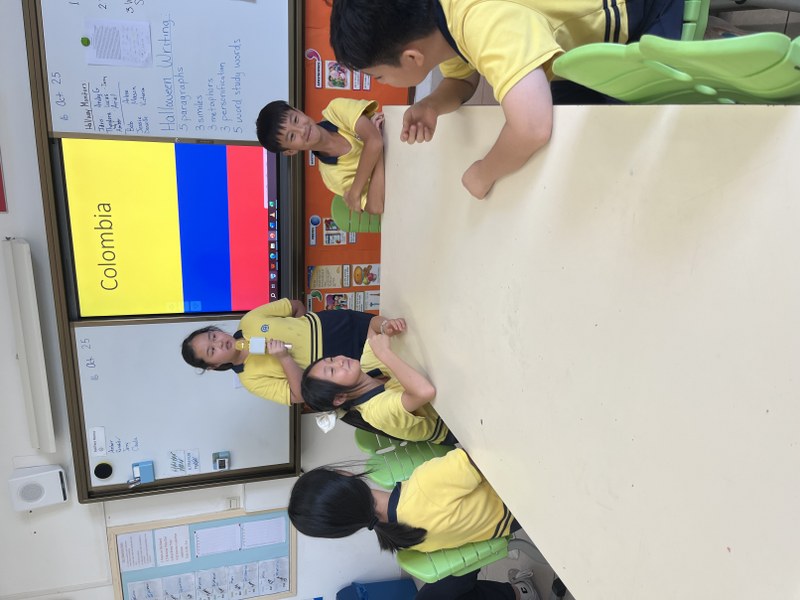
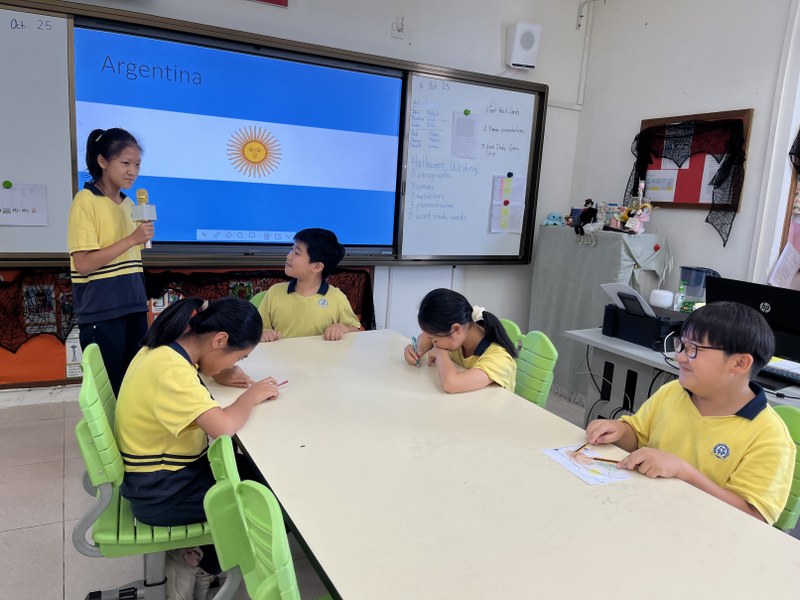
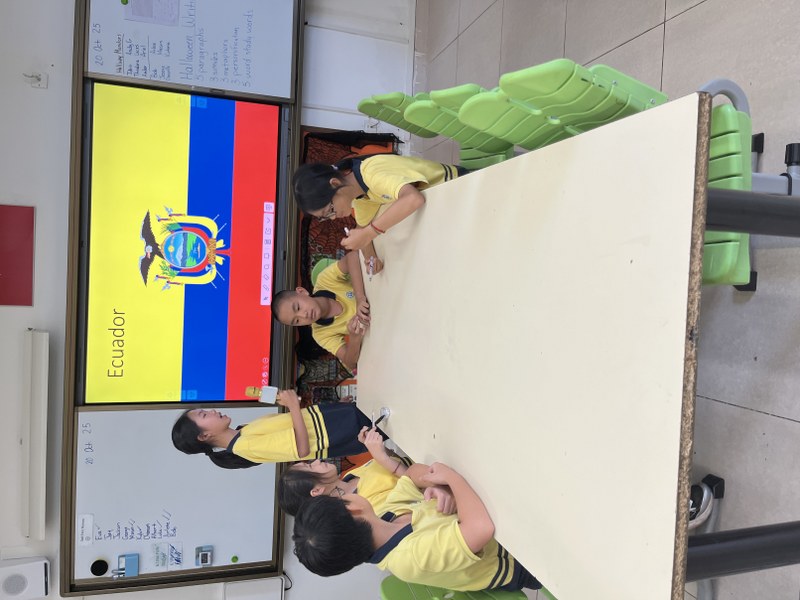
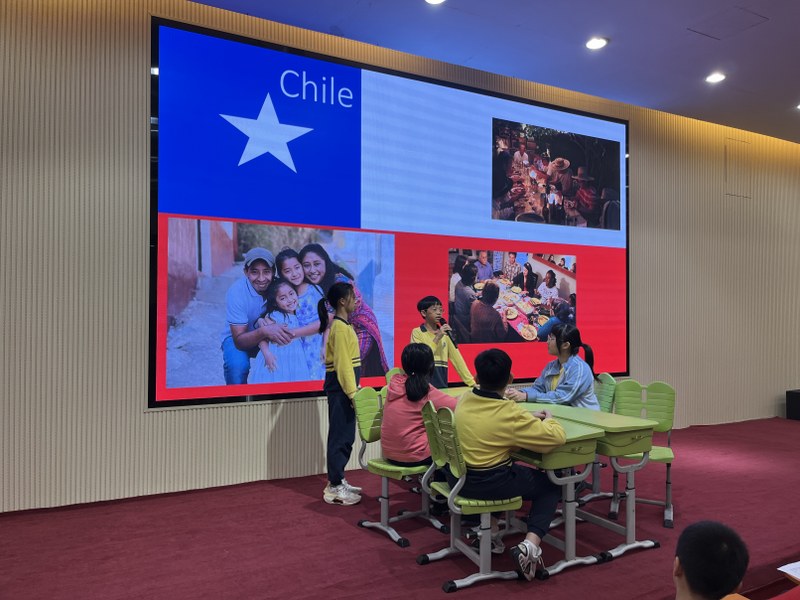
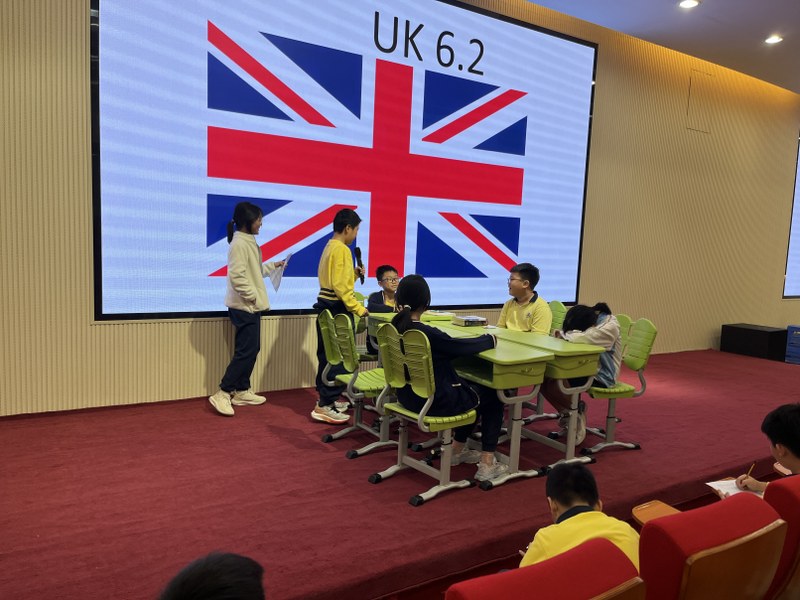
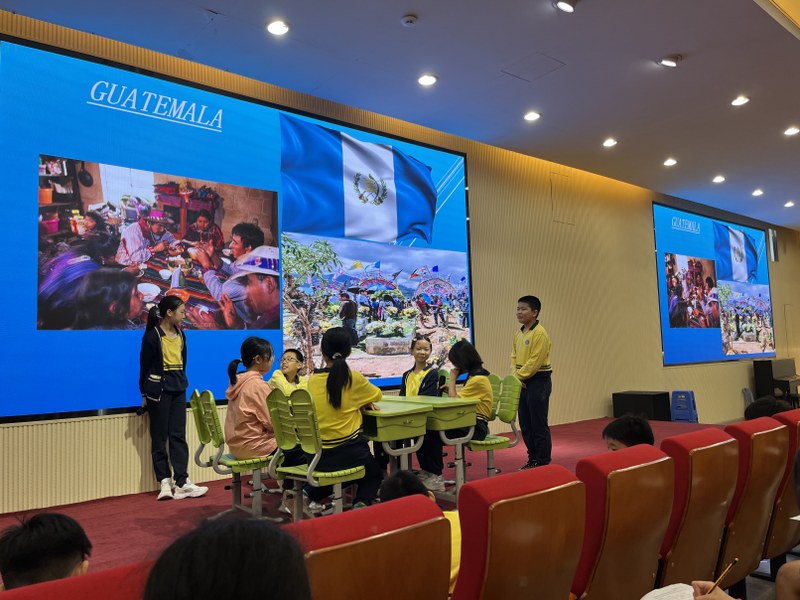
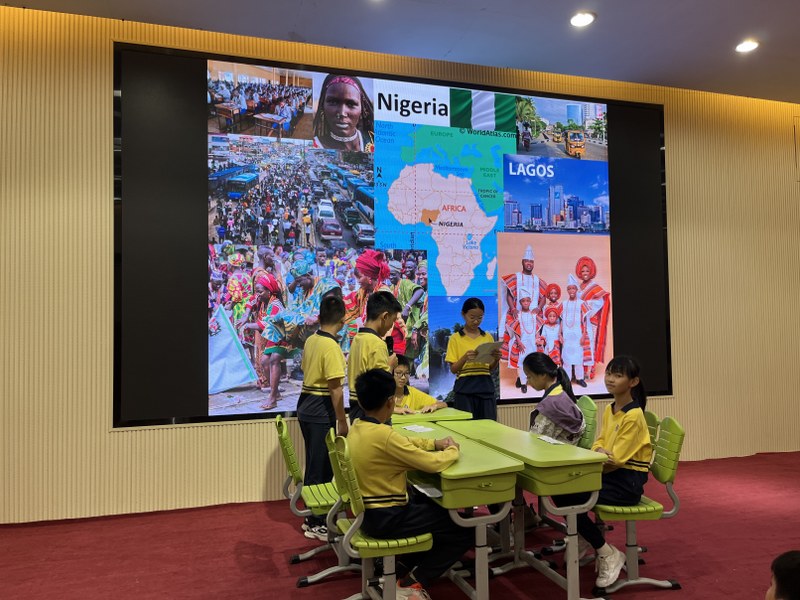
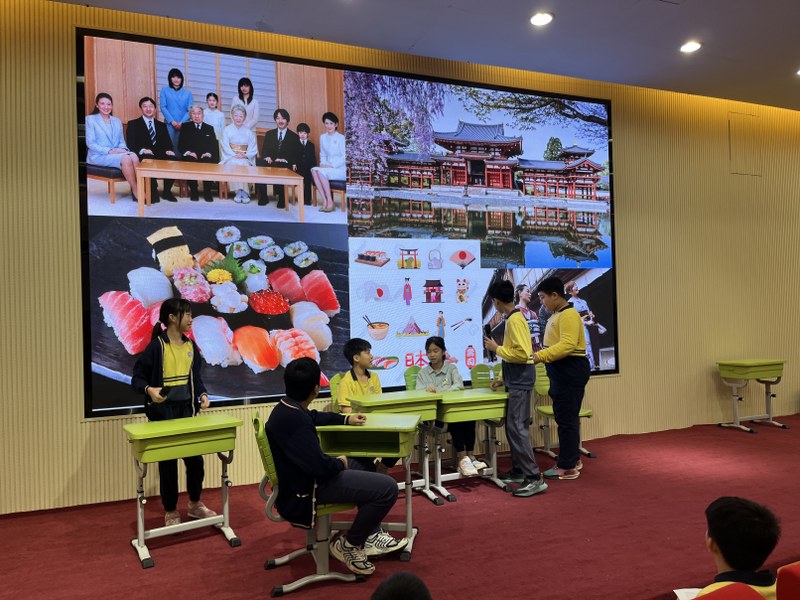
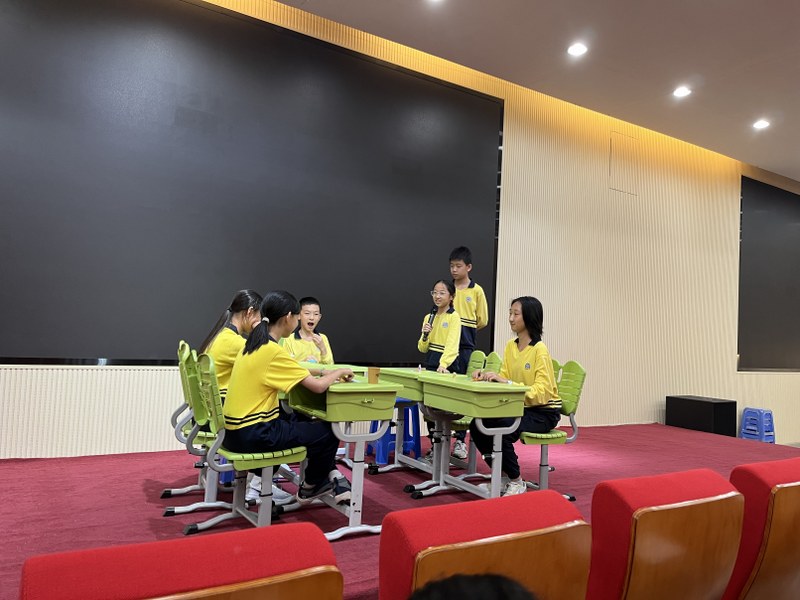
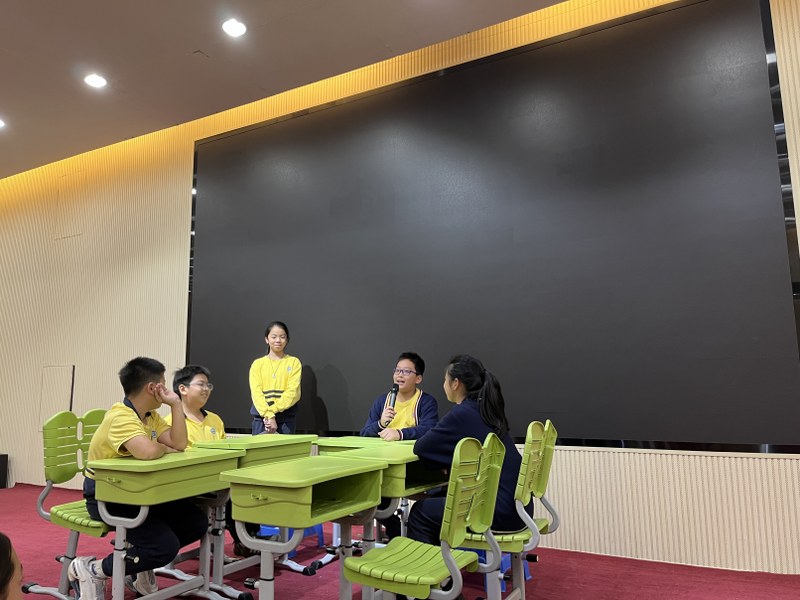
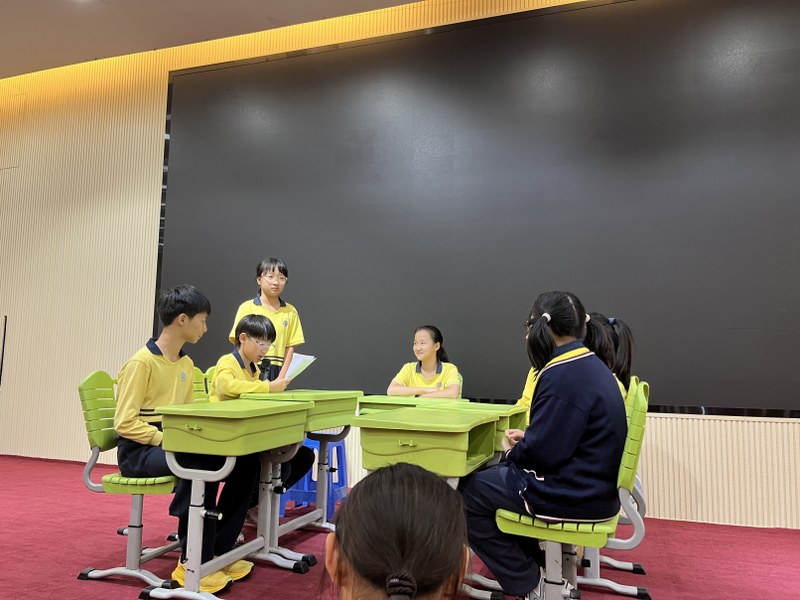
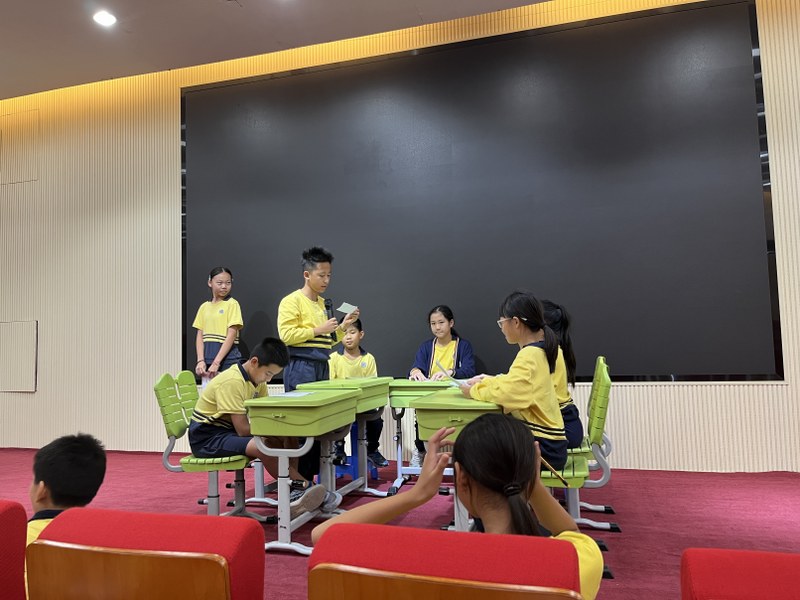
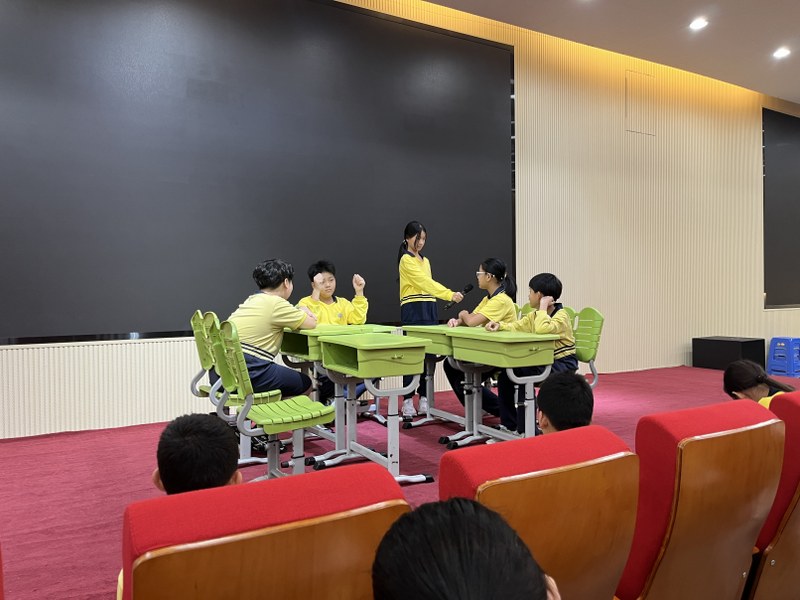
Our thematic unit in grade 6 has been about family and the dynamics and roles we have within our family. Students have learned and used different vocabulary words associated with this thematic unit such as traditions, morals, and relationship. After discussions over our families, the students began to work on presentations showing a family dinner from different parts of the world in order to see how relationships and roles can be different yet quite similar. (photos 1 – 6) They came up with a skit in which one would be interviewing a family, asking about the dynamic within the family. After preparing in class, the students got an opportunity to present to their classmates. Within their class time, they learned about and decided what facts and information would be useful in their presentation. They had to not only speak with varied, complex sentences, but they also had to use the vocabulary words from this unit along with words from their word study lists. (photos 7 – 13) Once the students presented in class, the best group was chosen to present at a later date in front of their grade 6 peers. (photos 14-23) Each group did a wonderful job exhibiting their skit, which allowed their classmates to see how family is important, no matter where they are! Well done, grade 6!
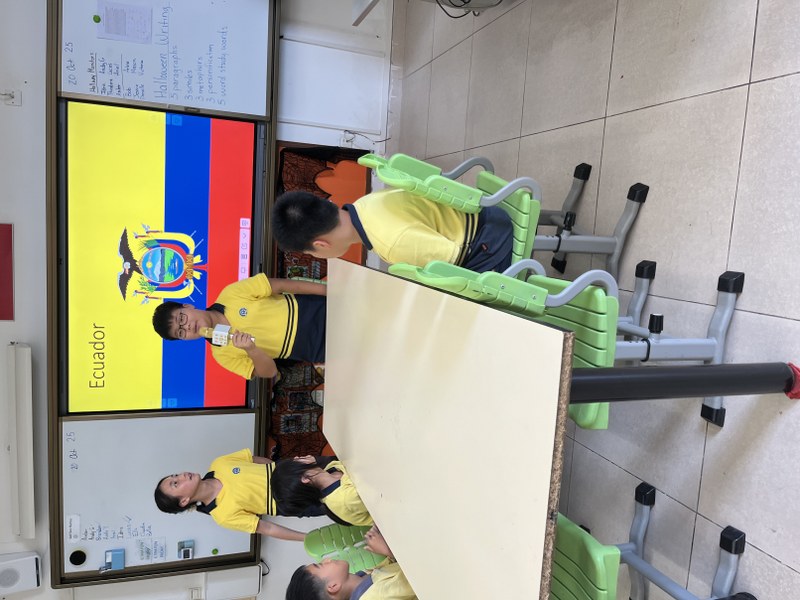
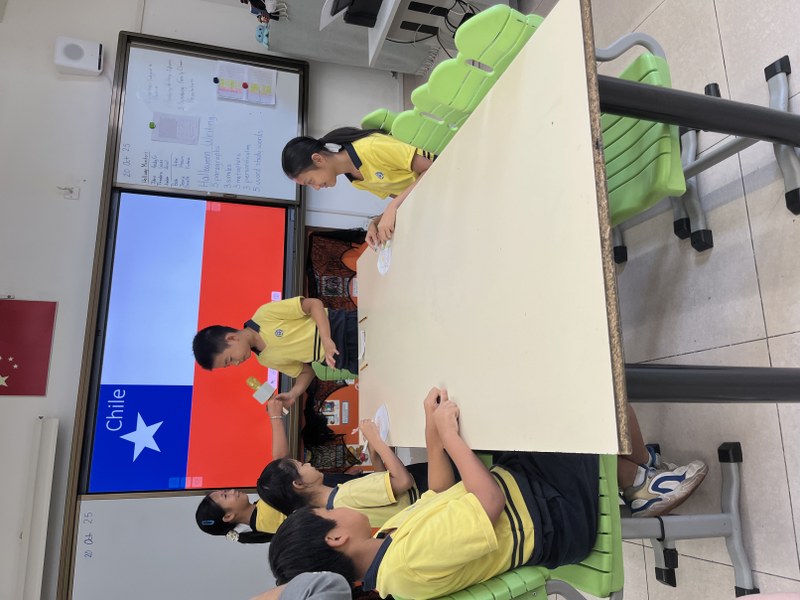
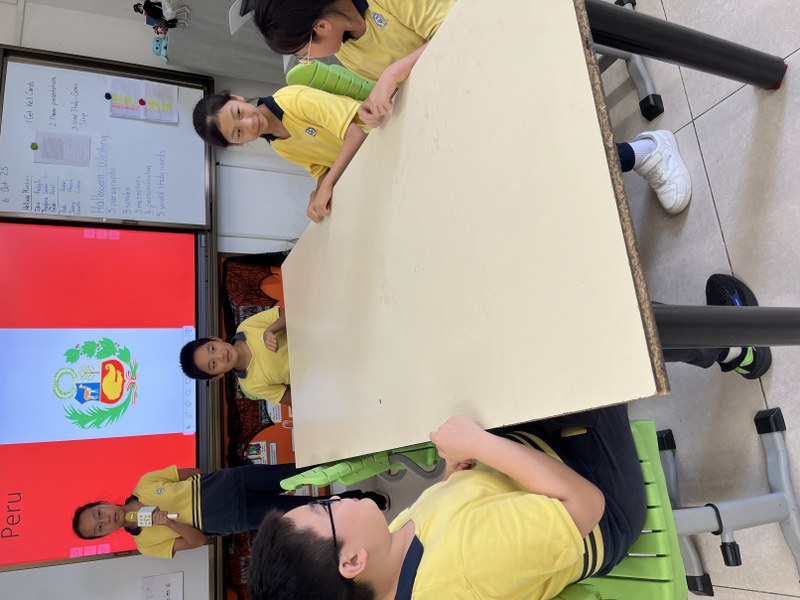
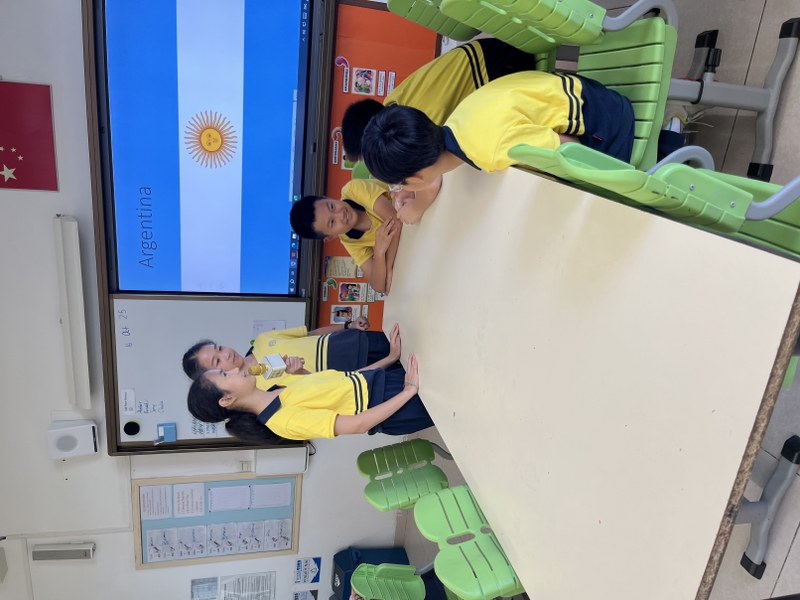



Mr Tshepo LELS (October, 2025)
Exhibition Created by Students Using AI
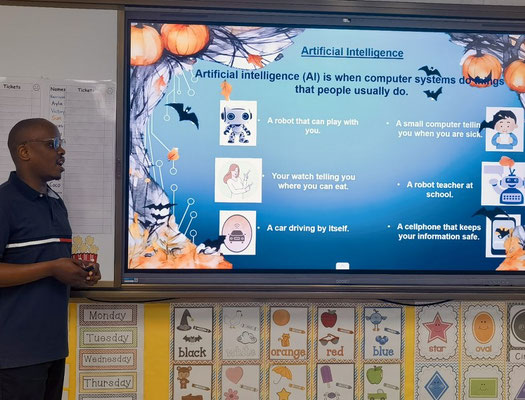
Artificial Intelligence (AI) has become part of our everyday lives. AI is when computer systems are able to perform tasks that humans usually do. For example, self-driving cars, reading robots, health-monitoring smartphones, etc.
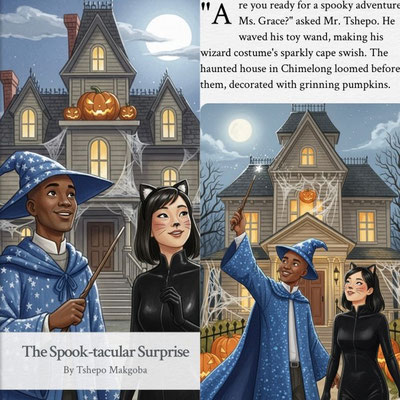
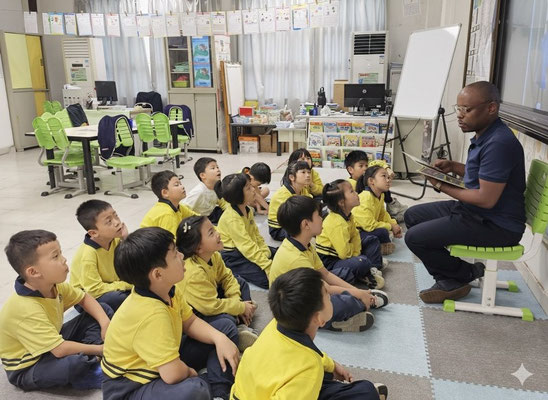
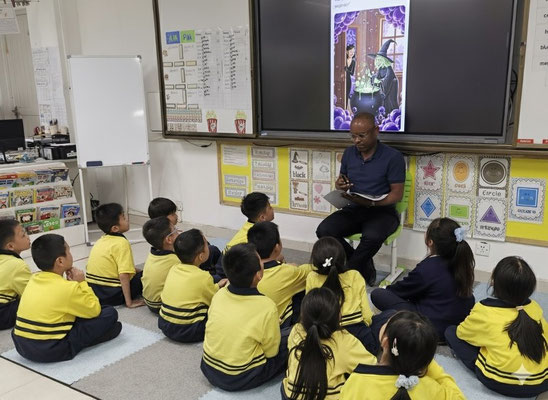
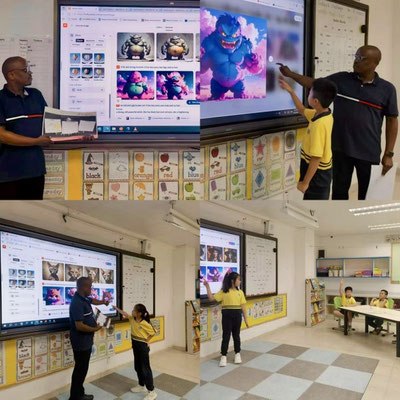
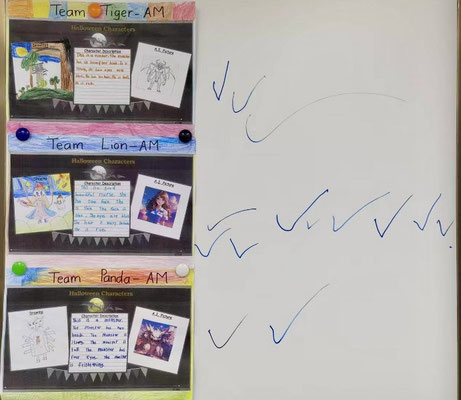
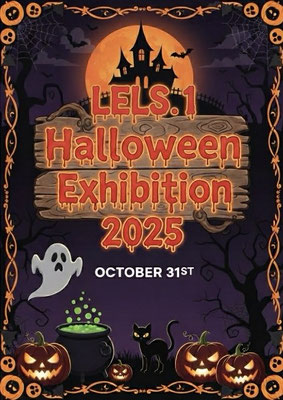
Throughout October in LELS.1, we used AI to create our own Halloween materials. First, we read a story created by AI about LELS.1 teachers going to a Haunted House in Chimelong, Guangzhou. This story had students engaged as they knew the characters and locations in the book, making the story more personalized.
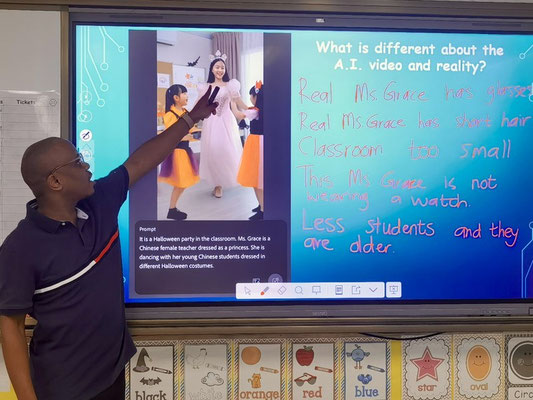
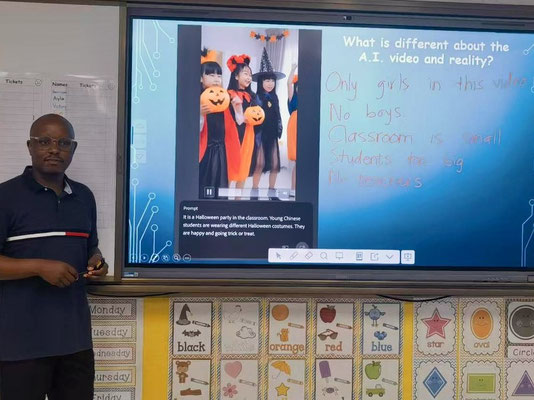
Thereafter, we used AI to create short videos of the LELS.1 class environment. Students quickly realized the differences between the AI videos and reality (e.g., Ms. Grace doesn’t have long hair, AI students are all girls, etc.). From this, students were able to understand the importance of using detailed adjectives when instructing AI to complete tasks.
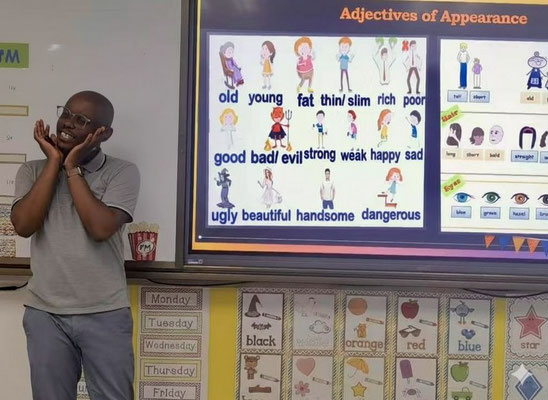
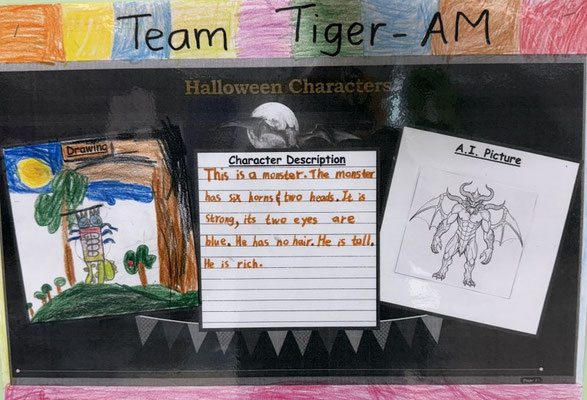
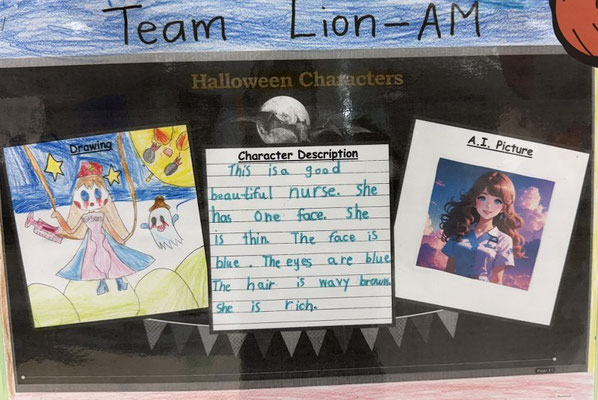
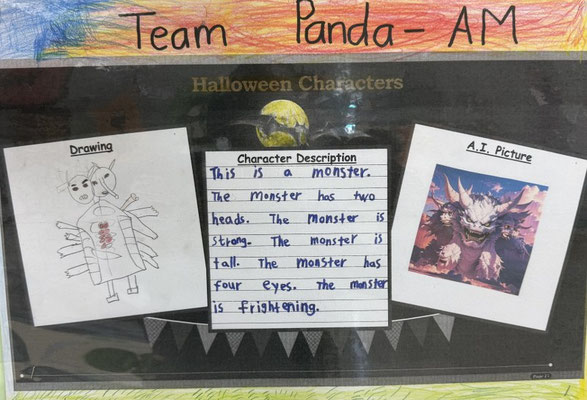
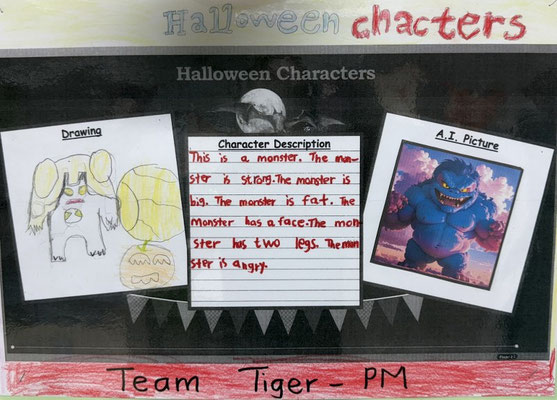
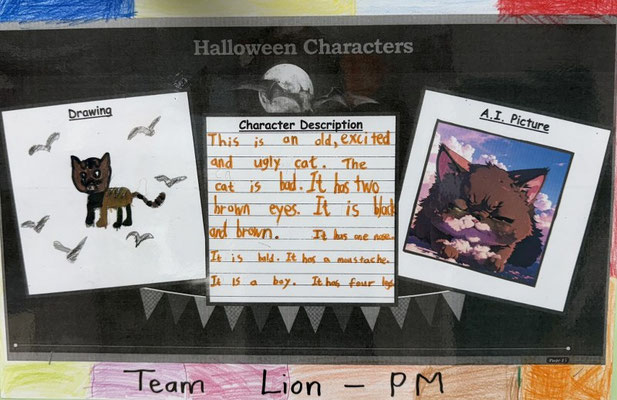
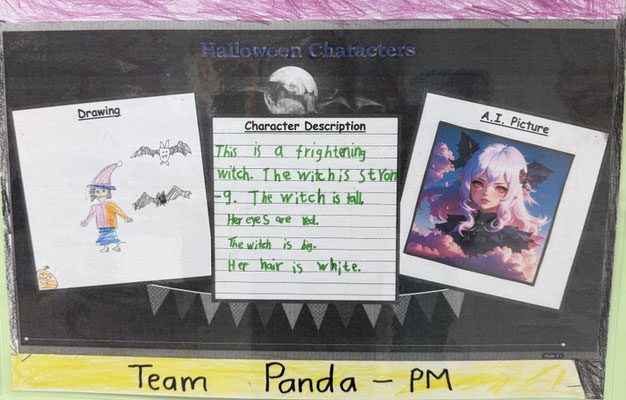
Therefore, we had a lesson about adjectives and then used the adjectives to create our own Halloween characters.
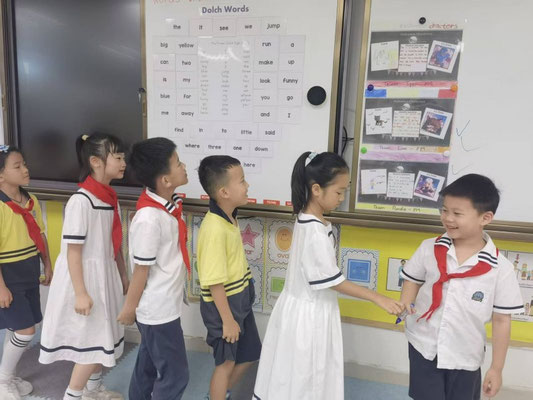
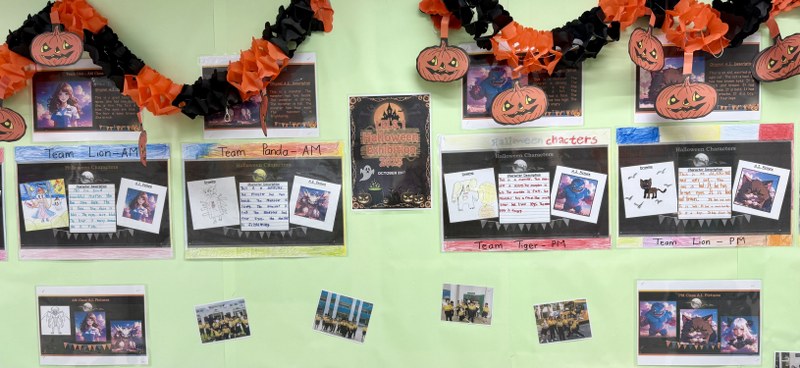
Students first wrote their character descriptions, manually drew their characters and then used the descriptions to create AI-generated images. Finally, students voted on the most impressive and close-to-description AI images created.
Students took great pride in seeing their classroom decorated with AI Characters created by them for Halloween! Throughout this process, they realized how AI can be useful but not always accurate. It is therefore important for humans to instruct AI using as much language and details as possible to make it perform tasks exactly the way we want them.

Mr D UELS (October, 2025)
A Recipe for Success!
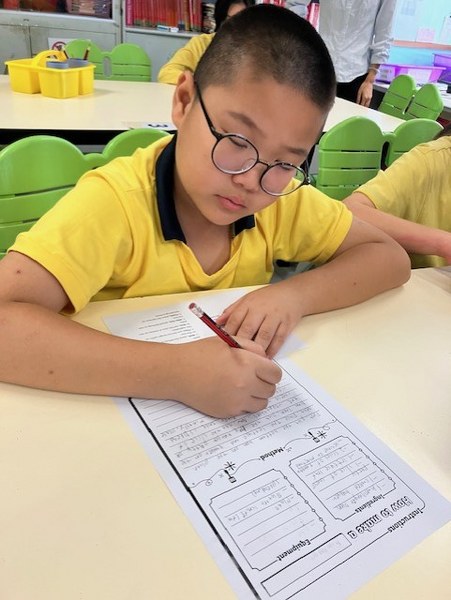
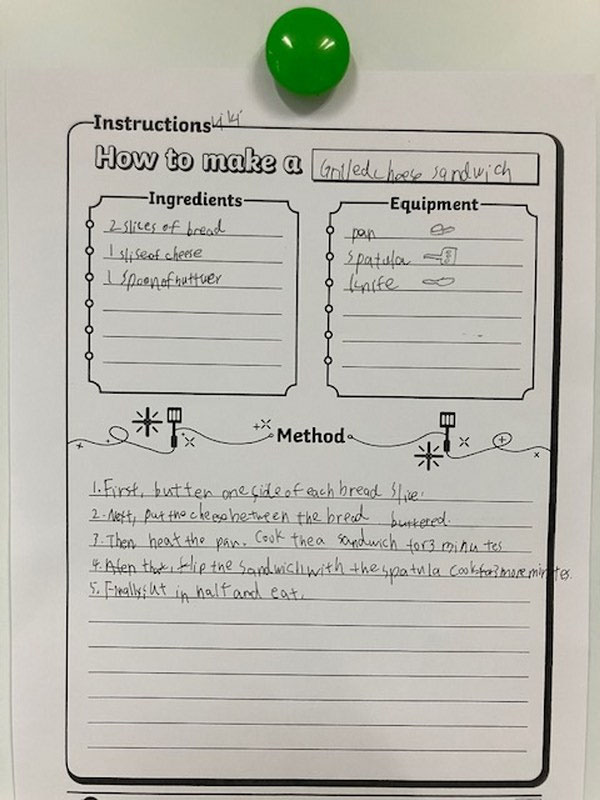
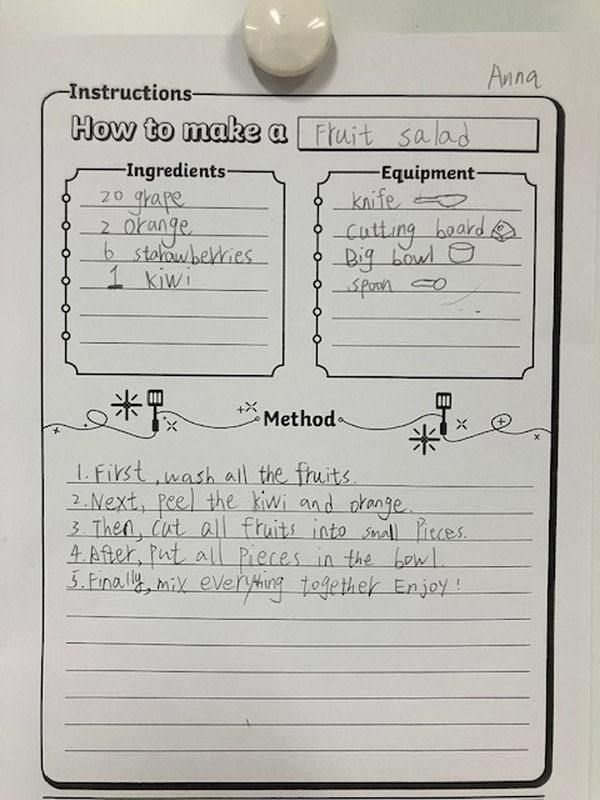
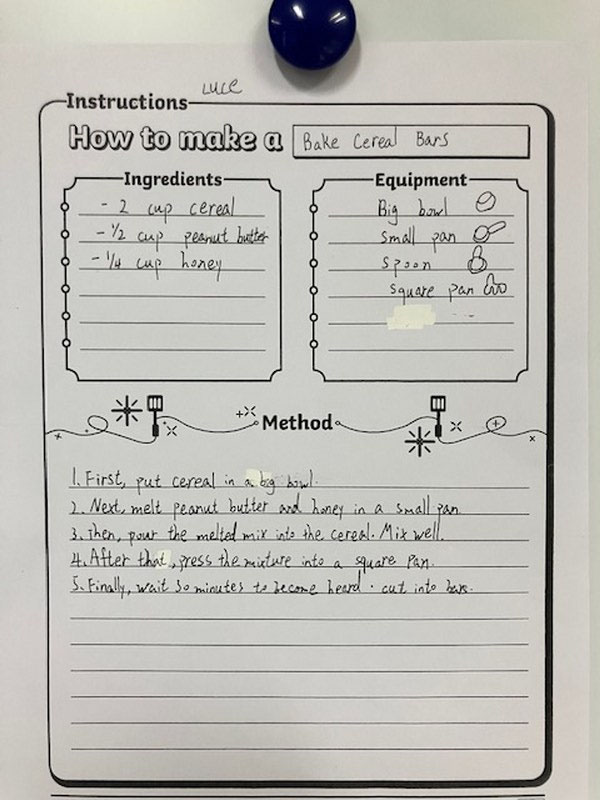
What do scrambled eggs, fruit salad, and a perfect sandwich have in common? They were all on the menu in our class's recent project to create our own recipe cards!
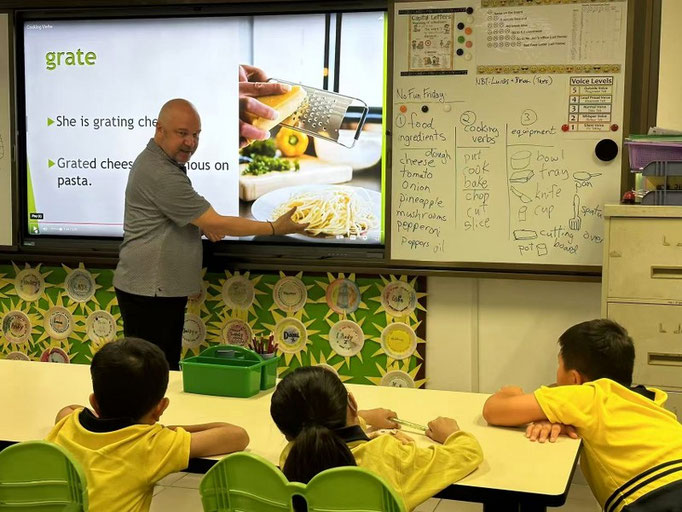
Every great recipe needs to follow a predetermined set of steps. We learned about the importance of sequencing using words like First, Next, Then, After that and Finally, to follow a 5-step process. We played a fun game of Bingo where students needed to listen to the cooking or equipment words and find them on their Bingo card to win the game.
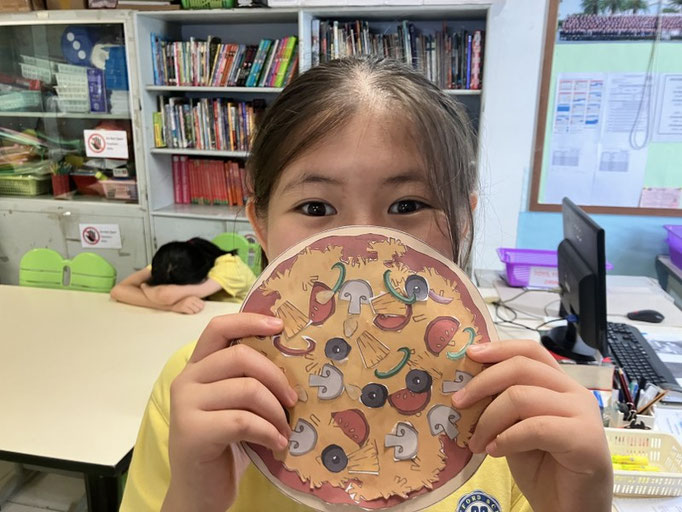
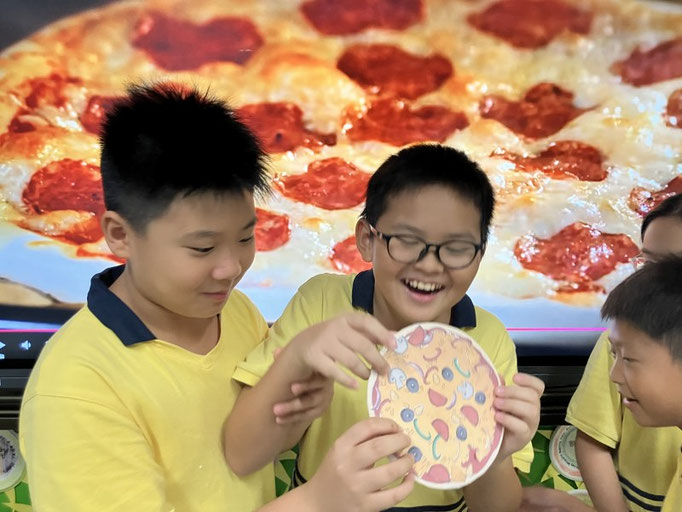
Our young chefs began by mastering food, cooking and kitchen vocabulary. We learned how to make a pizza to explain the different food ingredients, cooking verbs like cut, chop, slice, put, add, spread and kitchen equipment like oven, knife, cutting board and oven tray. Students needed to work in groups to create their own personalized pizza.
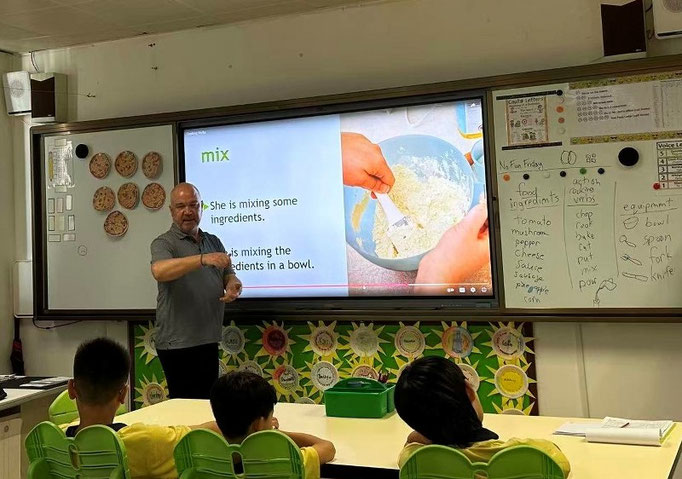
We used a Total Physical Response (TPR) exercise to reinforce the cooking verbs. The teacher would say: "Show me CUT! Show me MIX! Show me SPREAD!" and students performed the actions to review the key cooking verbs.
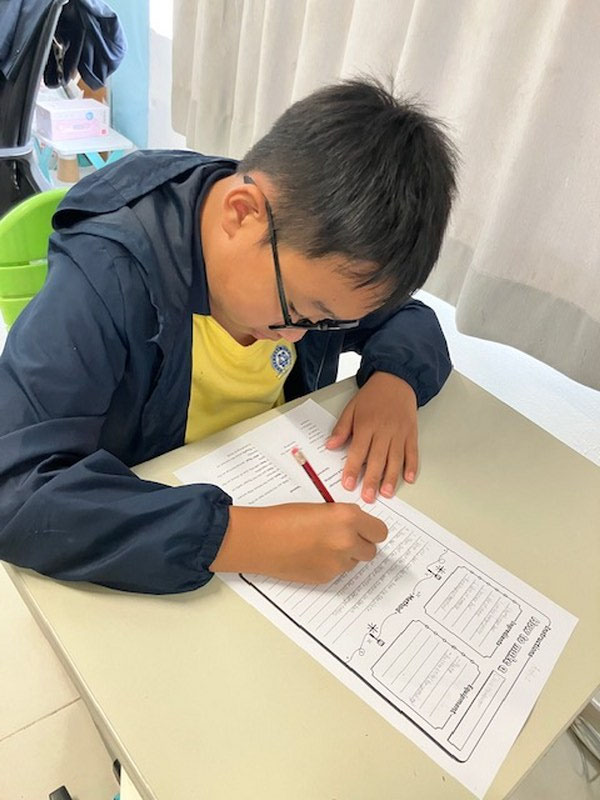
We explored and learned about different simple recipes that students could try to make at home. Each student made a recipe card using a template that outlined the ingredients and equipment needed along with the step-by-step instructions.
These recipe cards were sent home in the students’ homework folders so we hope they can show how they can follow a recipe step-by-step and be a chef at home!




Mr Michael LELS (October, 2025)
Adjectives Adventure
Adjectives are one of the most useful ways for students to enliven both their speaking and their writing. Rather than saying or writing, ‘I see a cat,’ why not say ‘I see a cute, fluffy, black cat.’
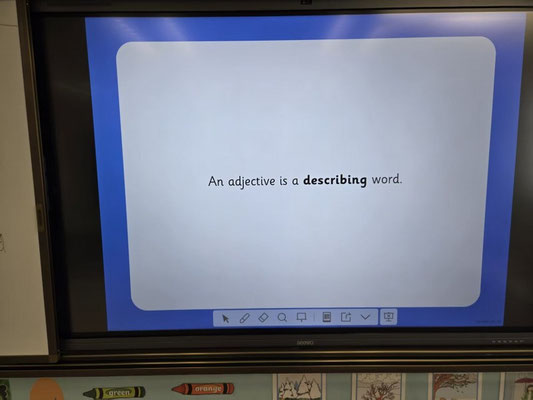
In LELS.2, we start off by showing students a video about adjectives. This gives them some ideas about what an adjective is. Then, we work through a powerpoint presentation, showing them how adjectives work in sentences.
After this, we brainstorm adjectives as a class. We keep these adjectives on the board, and allow students to use them to make sentences. This happens orally to begin with.
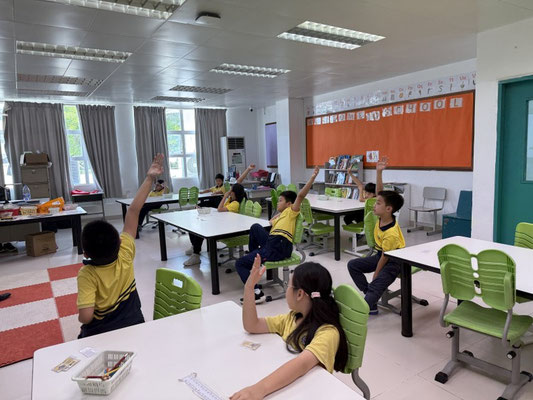
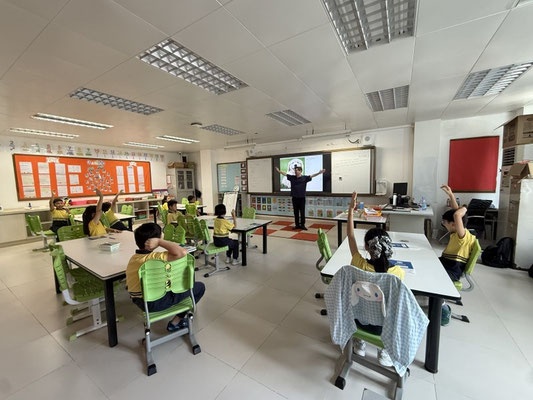
Now we move onto using them to describe things. Students are shown a series of pictures. They will then stand up and try to use adjectives to describe the picture. We encourage students to try and create more complex sentences than simply saying, ‘I see a boy,’ etc.
We carry out further practice by completing a reading exercise. The students are shown a series of sentences, with a missing word. They need to use the adjective word bank below to choose the most appropriate answer.
Afterward, they need to use the adjectives that they have learned over the course of the lessons up to this point, and write sentences about the picture.
By using various teaching methods, we are able to improve our speaking and writing skills. The students really enjoy the lessons.






2024 - 2025 Highlights

Heroes Rise in Our Comic Strip Project! "To the rescue!"
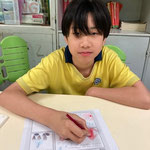
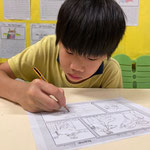
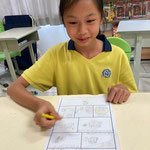
UELS.2 students became comic creators in this action-packed project, designing original superheroes and comic strip stories from start to finish. Merging Art with English, they created characters, practiced writing dialogue, used action verbs, and did some adventure storytelling—just like Western graphic novels!
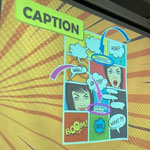
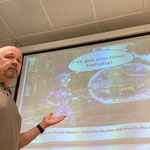
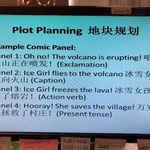
After we analyzed some famous superheroes, students invented their own characters (think "Thunder Panda" or "Lady Lightning"). Each character needed to have three superpowers and one weakness. We then spent a little time practicing drawing our superheroes. After our characters were made, the teacher explained the different elements that make up a comic strip namely, captions, speech bubbles, and onomatopoeia (sound effects). The teacher used AI graphic tools to create a comic strip to show as an example for the students. The next step was to do plot planning. So after a short lesson about this, the students plotted short adventures, wrote speech bubbles, and inked final drafts onto comic strips. Our classroom buzzed with phrases like "ZAP!", “BOOM!” and "I’ll save you!" The project culminated in a "Comic Con" exhibit, where classmates shared their heroes’ missions. This activity boosted confidence in writing, sequencing, storytelling and expressive language. See their heroic journey in the photos which started from sketches to full-color comics!






Mr Michael LELS (June, 2025)
Phonics Learning Games
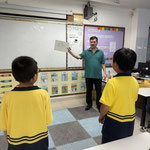
Learning phonics is a vital skill to help students improve their reading and writing. In LELS.2, we start by introducing the sounds with videos. We practice in small pairs making the sound, and I will offer correction. After this, we introduce some vocabulary words that contain that sound. The students will then work in small groups at their tables; trying to list words they know themselves that contain the sounds. The teacher moves around offering the students assistance and providing some corrections. Students will share their words for the class. Then, we will move onto playing games. The first game we play will be basketball. The students will throw the ball into the ‘net’ and try to read the sound I have written on the whiteboard. This is an enjoyable activity that encourages the students to be active and makes the learning fun. After this game, we move onto sticky ball throw. The board is divided into a grid, with the various sounds written on it. I will say words containing the sounds, and the students must throw the sticky ball at the correct answer. Again, this is a fun activity the students really enjoy. When this is finished, we move onto listening and writing. I will recite various words, breaking them down into their phonetic sounds, and students must listen and attempt to write them down correctly, this is called encoding which teaches students to listen to words and use their phonics knowledge to try and write them. This combination of games and hands on practice is very effective at motivating the students and improving their retention rate of the sounds.








Ms Belinda UELS (May, 2025)
Exploring Our Campus: A Creative Journey in English Learning!
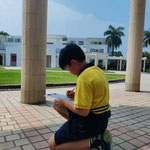
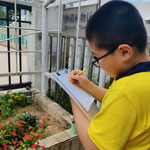
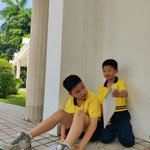
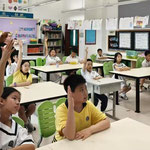
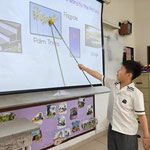
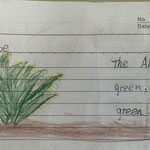
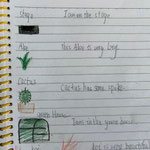
At our school, learning English isn’t just about textbooks—it’s an adventure! This month, UELS.1 students embarked on a project to describe places better, using our campus as their classroom. Students kicked off by exploring the school grounds and sketching favorite spots like the flagpole area and the garden. Drawing sparked creativity, letting them connect personally with their surroundings. The teacher highlighted keywords such as flagpole, palm tree, and stage from their sketches, bridging art to language. Students then crafted sentences like, “I play on the stage.” Next, they discussed how to describe the school grounds and locations of buildings by labeling a campus map and learning the English equivalent for buildings and places they know so well. Visual learning turned geography into a game! Then, students pieced together a campus tour script in groups using their new vocabulary. Collaborating on a “gap-fill” activity made grammar fun and accessible. The grand finale! Students became tour guides! Armed with their scripts, they led peers around campus. Movement and role-play transformed lessons into confidence-building moments. This project met diverse learning styles head-on by blending art, exploration, and teamwork. Students didn’t just memorize words—they experienced them, turning abstract concepts into real-world skills.










Mr Tshepo LELS (May, 2025)
Reading and Creating Different Story Books
Reading is an important skill that helps to promote cognitive development in children. Different books help broaden imagination, language acquisition and communication skills. That is why in LELS.1 we use audio books, visual books, textbooks, etc. to match every student’s preferred reading style.
This month, LELS.1 students were asked to read and create different books. First, students discussed the different books we have in class (i.e., visual books, books with more written text, etc.). Next, students were given different picture prompts for them to use as a guide in creating their own stories. Then, based on every student’s individual autonomous learning style, similar students were grouped together to create their own books. The books created were not only different in content but they were also different in the way they were illustrated. Some students used more visuals whereas others used more written text to tell their stories. Finally, the teacher and students read, discussed and voted on their favorite book created by the other students.
This process of reading and storytelling that students completed is very important. It helps teachers prepare tailor-made reading lessons and it can help parents purchase the appropriate book for their child to read at home. So, ask your child which book was their favorite to read and create, and then go to your nearest bookstore or library to choose a similar book for them at home.
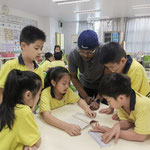

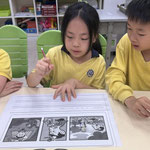
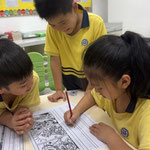
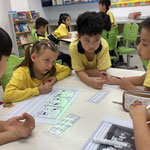


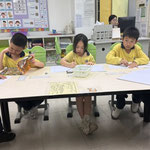
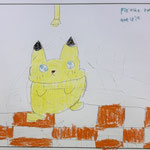


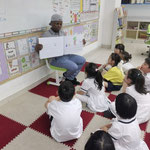
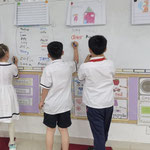


Using the six language domains in the classroom
Every English teacher is familiar with the four foundational language domains: listening, speaking, reading, and writing. However, it is important to recognize that there are, in fact, six domains. Since 1996, viewing and visually representing have been formally acknowledged as essential components of language learning. In today’s visually driven world, these domains are more critical than ever and must be integrated into our teaching practices and learning standards.
One effective approach is to begin with a listening activity or a teacher-led reading session, allowing students to engage with authentic language. Following this, students can read an e-book or electronic text to reinforce, interpret, and connect the information to their personal experiences.
Next, students practice viewing skills, which are akin to reading comprehension, by analyzing a range of visual materials, from images to video presentations. This process breaks down complex information into manageable, digestible segments.
To further enhance learning, students engage in discussions and collaborative pair or group work, providing opportunities to practice speaking and emulate native-language intonation and stress patterns. They then demonstrate their understanding by interpreting, analyzing, and summarizing what they have learned through writing.
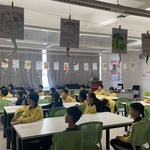
Finally, students collaborate to create a visual representation of the information, deciding on the most effective way to present it to their peers. In this example, they crafted a physical model that could be displayed and explained through spoken language.
This comprehensive approach not only reinforces traditional language skills but also equips students with the visual literacy and communication abilities necessary for the 21st century.





Ms Trish Grade 2 (April, 2024)
Grade 2 Students Exemplify Community Values at Clifford Lake
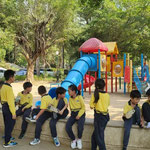
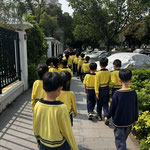
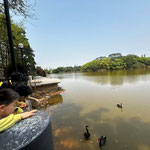
At Clifford School we believe the most important lessons extend far beyond classrooms. This was beautifully demonstrated recently when our Grade 2 class took their classroom learning on a field trip to Clifford Lake, showcasing how young students can make a big difference through thoughtful actions.
From Classroom Discussions to Real-World Applications
As part of our curriculum, Grade 2 students have been discussing how to behave in public spaces. Their journey began with a thoughtful classroom discussion: "How should we behave in public spaces? Their thoughtful answers included ideas like:
"We should use our indoor voices so we don't disturb nature or other visitors"
"Walking instead of running prevents accidents and shows respect"
"Cleaning up after ourselves keeps the environment beautiful for others"
These ideas blossomed into a class-created "Community Promise" - a set of shared expectations for public behaviour that the students were eager to put into practice.
A Field Trip to Remember
The Clifford Lake excursion became the perfect opportunity to test these principles. From the moment they arrived, our Grade 2 students showed exemplary behaviour:
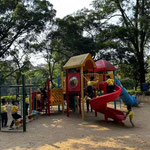
Practicing patience by taking turns on playground equipment.
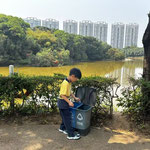
Demonstrating responsibility by properly disposing of all litter.
Showing awareness by using appropriate volume levels.
Seeing our students naturally apply what they learned in class was incredible. They weren't just following rules - they truly understood why these behaviours matter.
These actions prove that when we teach children not just what to do, but why it matters, the lessons stick.








Mr Drew Grade 3 April, 2025
Prefixes and suffixes with base words
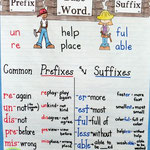
Prefixes and suffixes are “building blocks” of words. In grade three, students begin to learn them to build their vocabulary, and to better understand words they may not have seen before, but can infer the meanings.
“Healthy” is a base word, and “un-” is a prefix meaning “not,” so “unhealthy” means something that is bad for your health. So, if you add the prefix “un” (which means “the opposite of”) to the beginning, of a word, that word now means the opposite.
We implement different ways for students to learn and remember prefixes and suffixes in our program. Word play is one that allows students to use their creativity to make new words from known words using prefixes or suffixes to change their meanings. The words don’t necessarily have to be real words, because the idea is to get them to give the prefix meaning in ways that make it easy to remember.
Many common prefixes and suffixes are simple 2-4 letter blends. Students in Grade three learn phonetic blending skills from Grade 1. So, in addition to playing with prefixes and suffixes and root words, exercises in which they attempt to spell words they hear give them a chance to practice not only the meanings of the prefix or suffix, but also their phonetic abilities.
When using prefixes and suffixes, English learners will understand or guess meanings of new words effectively as they are exposed to more vocabulary. They are a useful tool for learning, understanding, and even creating language in English.







Mr Little Grade 4 (April, 2025)
Learning Science in a Foreign Language
Learning Science is already a challenge for many people, but add on top, that you’re learning it in a foreign language! How is this even possible? The answer: use crafts, pictures, manipulating objects, repetition, and lots of laughs.
In grade four, we study the water cycle as part of our unit on weather. We use power points with bright pictures and highlighted words to help get them started. We put the lessons to a rhythm and sing it in a song every day. We cut out and draw our own water cycle using vocabulary that we’re already accustomed to. We write descriptions, outline it and make essays. We do class discussions and picture recognition. We use speaking, listening, reading and writing as well as crafts to give the students every chance to engage with the material in a way that resonates with them.
When singing our song about the water cycle, we do not just sing it once or twice, but twice every day for the entire duration of the unit.
We encourage all the students to join in the activities, by making them fun, but still challenging, so they try hard and do their best! When the students are invested and committed to the lessons, they begin to understand the concepts and language well enough to answer questions and explain the science of the water cycle on their own.
The students can be very proud of the hard work that they put into their science lessons! They can do it! Great job!



Mr Ward Grade 5 (April, 2025)
Writing - Describing Characters
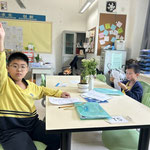
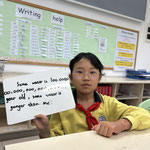
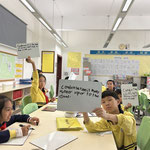
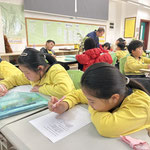
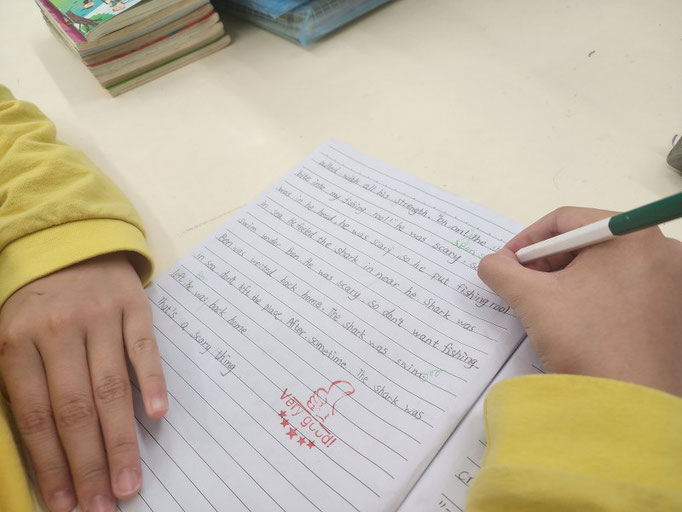
In our writing classes, we have been focusing on adding adjectives and details in our stories. Our students are often given a variety of prompts from pictures, videos, to sentences. As a class, we do a pre-writing exercise to help bring out creativity or to give students new vocabulary. The students then work on writing a first draft of their story. As the students are writing the stories, the teachers and the TA go around the room and work with tables to help them develop their ideas or point out mistakes and giving advice on how they can improve their writing. After the students have finished their first draft, we will work on some editing exercises as a class. Some exercises, like this month, we focused on adding detail to our sentences with vocabulary that we have studied in class, while other exercises were used to help students notice mistakes in their writing. The teacher used sample sentences from the students’ stories and together we fixed the mistakes on the board. Afterwards, students used colored pencils to fix their own mistakes in their writing. Students are not expected to be able to find all the mistakes in their writing but will be able to find some, especially with the help of the TA and teacher as we go from table to table while students are editing. This process helps students understand that getting their ideas on paper first is important, then looking back at their writing and editing, to correct errors and improve their story, can lead to a final polished story.




Mr Hare Grade 3 (March, 2025)
Time Machine to Kindergarten
In our 3rd grade classroom, students have been diving into the world of simple past tense verbs, and they had a lot of fun using their own memories to help them learn. The first step in the process was introducing simple past tense verbs and teaching when and how to use them. Students learned how to talk about actions that happened in the past, such as "played," "jumped," and "learned."
To practice using these verbs, the students then worked on Daily Talk presentations. They shared pictures from their time in kindergarten and used the simple past tense to describe their experiences. This helped them practice speaking and using the new verbs in a fun and personal way.
After the presentations, students wrote in their notebooks about their memories from kindergarten, focusing on using the simple past tense correctly. This was a great way for them to apply what they had learned in a written format.
Finally, the students created colorful posters featuring both the pictures from their Daily Talks and the writing they had done. These posters showcased their creativity and reinforced their understanding of the simple past tense.
At the end of the activities, all the students did an amazing job! They had a lot of fun reflecting on their kindergarten years while strengthening their understanding of the simple past tense.









Mr M Grade 2 (March, 2025)
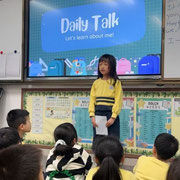
Daily Talk: Building Confidence, Creativity, and Connections!
At Clifford School, we love to see our second graders shine, and Daily Talk is the perfect way to help them grow as confident speakers! This fun and engaging activity encourages our young learners to express themselves openly, share their thoughts, and build connections with their classmates.
Each weekday, a different table group will have their turn to present. Students are given a topic in advance—whether it’s their favorite hobby, a dream vacation, or even a fun “What if?” question. They’ll have time in class to prepare, but if needed, they can take it home to add the finishing touches.
The goal? To get them talking! Whether they want to tell a funny story, share an exciting fact, or speak from the heart, this activity is all about expressing ideas freely and confidently in front of their peers. Plus, it’s a fantastic way for classmates to get to know one another in a supportive, encouraging space.
As the weeks go by, it’s great to see students becoming more comfortable speaking up and sharing their thoughts. Some might start off a little shy, but before long, they’re eager to take the spotlight and join in the conversation!





Mr Iain Grade 1 (March, 2025)
Inventive Expansion - Writing
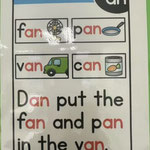
To encourage the students to write sentences on their own, using the word study words for this week ( “an” words) the teacher started by modeling the writing of some simple narratives. This helps the students understand what their finished work should look like.
At their tables, students draw pictures of the “an” word family words, to demonstrate understanding. Encouraging students to draw pictures before writing is helpful to give them ideas for their writing.
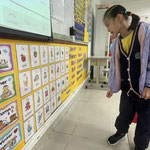
Once completed, students begin to write their own sentences. Students are motivated to use visual prompts throughout the classroom. These visual aids stimulate the students’ creativity helping them develop descriptive skills.
While they’re writing, students also use word banks or thematic charts to aid in giving them ideas. This assistance can boost confidence and reduce frustration if they can’t think of something interesting to write.
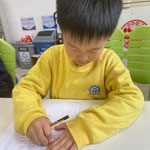
As the students continue writing, students phonetically sound out the words and spell them to the best of their ability, this is called “Inventive Spelling”. This enables students to first get their idea on paper without worrying about perfect grammar and spelling, which can be reviewed later.
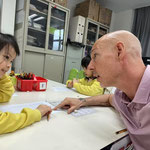
After writing, students work is checked by the teachers, highlighted for improvements, and corrections which are then made by the students to complete the writing assignment. Progressive and constructive feedback inspires students to take risks in writing.
Encouraging inventive and creative writing in first-grade students is essential for their general English language development, and fundamental for cultivating well-rounded, confident, and accomplished writers.







Mr Nathan Grade 4 (March, 2025)
Adjectives, Creatures of Description
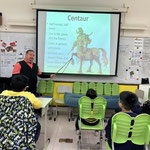
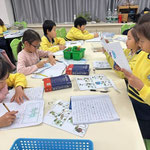
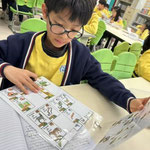
To begin, the students read the story, “The Blind Men and the Elephant” in which some blind men describe an elephant and its parts. We looked up the new vocabulary and talked about the story. The students learned how to make a “simile” describing something as something else and practiced making our own in class. Next we did a worksheet with a detailed description of a nature scene, in which a boy is looking out over a lake and describing what he sees. We circled the descriptions and tried to draw a picture of them as we recognized them. Then we talked about the creatures that we already knew; dragons, unicorns, cats, and dogs. We then tried to think of new creatures and talked about what we remembered about them. The students talked about some Chinese creatures that they knew. Finally, each student made their own creature or found a creature to talk about. They drew a picture of the creatures and wrote a story or described it in detail. Some were scary while others were very cute. They talked about if it was good or bad, where it lived, what it ate, and what did it like to do. Afterwards, each student introduced their creatures in front of the class and told everyone about them. This was a very fun assignment.



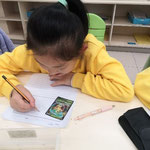

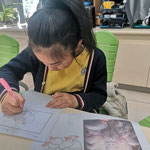

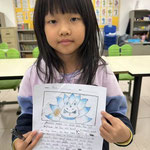

Mr Ryan Grade 6 (March, 2025)
Value Based Teaching and Learning
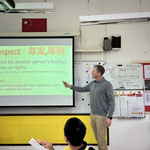
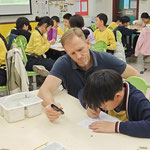
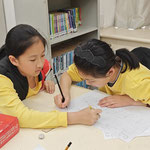
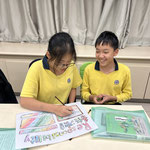
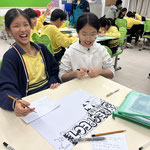
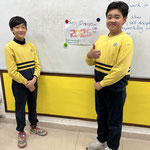
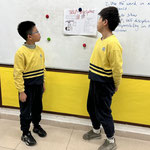
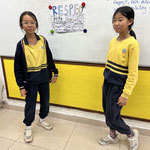
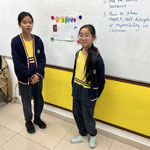
By incorporating value-based teaching into our classroom, we can help the students to develop into compassionate, responsible, and well-rounded individuals, prepared to make positive impact in school and in their communities. The benefits will hopefully be improved behavior, increased empathy, better decision making and positive relationships. As it’s the beginning of the semester we focused on the values of respect, responsibility and self-discipline. As an introduction to the topic we discussed these concepts and what they mean. We then discussed how each of these values can be applied in the classroom and outside of school. Students were then divided into pairs and had to follow a set of instructions to create a poster for the classroom that reflected these values. They had to include the various ways these principles can be actively applied every day in class or at home. Once the posters were complete they had to present the posters to the class and also role play different scenarios that demonstrate positive values. By stressing these values and getting the students to discuss, write down, work in teams to create a poster and then present to the class, they are applying themselves in the language areas of speaking, listening, and writing. The posters are then displayed in the classroom for the students to reflect on and help promote these values every day.







Mr V Grade 5 (January, 2025)
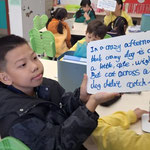
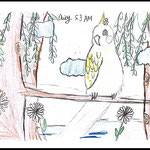
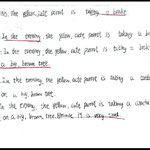
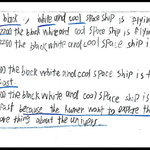
Building Super Sentences
Great English writers use many adjectives in their sentences to paint a picture in the reader’s mind. Our classes learned the differences between writing just fine, good, and super sentences. The students know that adding adjectives or describing words to their sentences strengthens them. This year, we are focusing on making our characters and story settings more interesting to read.
We first looked at a simple sentence, “The cat is in a tree.” The class discussed how these sentences do not give us much information. We learned to build stronger sentences that a sentence should include the following five things: adjectives, when, where, how, and why. We then read another simple sentence, “The dog is running.” We built it into a super sentence by looking at a PowerPoint explaining how to go through each step using the mini-whiteboards. First, by adding adjectives.
Next, the students practiced making short sentences using the five steps of adjectives: when, where, how, and why. The students were asked to add each part in the steps for the final activity.
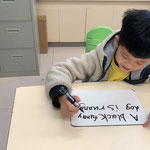
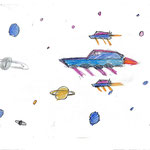
First, the students wrote their short sentences, adding adjectives. Next, they built upon their sentence by adding the “when”. Then, they continued to build their sentence by adding the where, when, how, and why. After the students wrote their best sentences, they were asked to draw a picture depicting their best sentences. By making stronger, interesting sentences, our students will become better writers.







Ms Jenna Grade 1 (January, 2025)
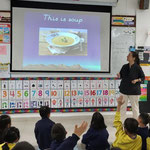
Winter Writing Practice
In preparation for winter students of 1.3 learned new winter vocabulary and used them in sentences. Our vocabulary this month included many winter themes such as winter food, clothing, and weather. To continue our vocabulary practice we played games involving seasonal clothing where students had to place the randomly selected clothes under the right weather condition. Then students in one class practice writing their vocabulary, while the other class wrote sentences. Their vocabulary included: snow, snowman, snowflake, boots, mittens, parka, spaghetti, and soup.
We also read a book about 1st graders experiencing a “snow day” for the first time. The book title was called “Snow Day!” and the author was Lucille Colandro. Students learned that during a real snow day, school is usually canceled, and many outdoor snow activities can occur. Students exclaimed that Guangdong doesn’t get any snow days!
In preparation for our writing assignment about snowflakes, we talked about the many shapes we can see in a snowflake. We can see triangles, hearts, and even parallelograms! Students had the freedom to write about their unique snowflakes anyway they wanted. They could say, “My snowflake has a star and a heart,” or “My snowflake has two circles and a square.” After they finished writing, they had an opportunity to practice making their own unique snowflake.


Mr James Grade 3 (January, 2025)
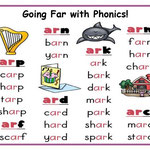
Going Far with Phonics - Phonics /ar/ Sound
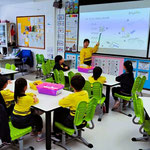
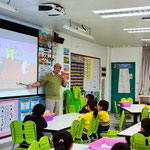
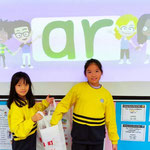
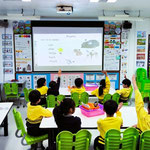
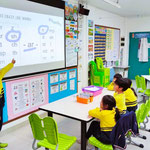
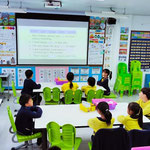
Review and Introduction - To start our class, we reviewed the previous week’s /or/ sound words with some recitation, a couple of games, and some oral sentence making. The /ar/ sound was then introduced with songs and videos, which were paused for students to repeat words and sentences. After this, the students volunteered as many /ar/ words as they could.
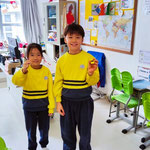
Realia Bag - For some active learning, random students drew realia from Mr. James’ bag, including a shark, a dart, a jar and a star! We reviewed the objects on screen, and after eliciting their names, students repeated the words a few times and used them in sentences.
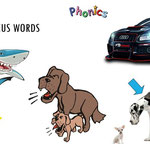
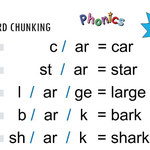
Focus Words - The week’s /ar/ focus words (car, star, large, bark and shark) were then introduced.
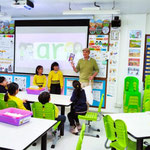
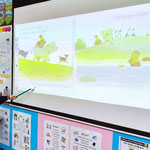
Five pictures were shown in turn on screen, and students guessed the related focus words. Each word was then revealed and the students repeated them, before we discussed their meanings and created sentences with them. We played a game of connecting pictures to the focus words, after which we decoded the words by breaking them into phonetical chunks.
Students then made some imaginary /ar/ “crazy words,” and explained their meanings!
Conclusion - To conclude our class, the students read sentences together, choosing the correct focus words to fill in gaps and complete sentences. Then to further reinforce our learning, we read a phonics story book “Shark in the Park” together. The fun, holistic learning was successful in giving the students confidence decoding /ar/ words.









Mr Reynolds Grade 6 (December, 2024)
Fun With Simple Machines
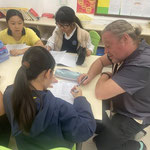
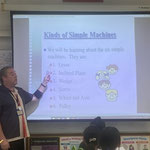
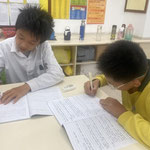
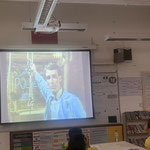
As part of the thematic unit on tools and machines, students have been studying simple machines and how they work together to make complex machines. To further develop student’s critical thinking skills as well as their speaking, writing and listening abilities; students have created a project in which they have to use the information they have learned about simple machines and create a working machine and presentation. Through readings, videos and PowerPoint presentations, students will gain the knowledge and vocabulary to present a working machine to their classmates.
The process begins with students learning the basic vocabulary and concepts from a PowerPoint presentation. The students take notes and discuss the different concepts behind simple machines. Then students complete a reading comprehension and video comprehension listening activity to further their development of the concepts being presented in the unit.
Once the main concepts are understood, the students conduct some more research and begin working together as a group to create and design a working simple machine. First the students create a design poster that explains what simple machines are used and how they intend for their machine to work. Next, using recycled and other materials found in the classroom, the students construct a working machine.






Mr Rohde Grade 2 (Dec, 2024)
Exploring Language with Nouns, Adjectives, and Verbs
Teaching grade 2 students to write with nouns, adjectives, and verbs is an exciting adventure into the world of words! At this stage, the goal is to spark
creativity, grow their vocabulary, and help them discover the joy of self-expression.
We start by exploring nouns—names for the people, places, and things all around us. Activities like show-and-tell or scavenger hunts turn learning into a fun discovery game as students identify everyday nouns in their world. Once they’ve mastered nouns, we add a splash of color with adjectives. From describing their favorite stuffed animal to sharing details about a sunny day, students learn to make their writing come alive with descriptive words!
Next, we bring in verbs—the action heroes of sentences! (6) Interactive games and story prompts encourage students to pair verbs with nouns and adjectives to create lively, dynamic sentences. Visual aids like storybooks or picture cards help students see how these parts of speech work together to tell stories full of action and detail.
As their skills grow, students get to try their hand at writing short stories, using nouns, adjectives, and verbs to paint vivid pictures with their words. Sharing their creations with classmates turns the classroom into a place of encouragement, teamwork, and laughter.
By keeping learning playful and interactive, we inspire a love of language in Grade 2 students while giving them the tools they need to shine as writers. It’s a journey they’ll carry with them throughout their English learning adventure!







Mr Allan Grade 2 (December, 2024)
Learning Opposites with Fun and Engagement
The lesson began with a warm-up discussion. This opened the floor for guesses and excitement as they identified opposites of
words the teacher provided, such as “up” and “big.”
Following the warm-up, students were introduced to opposite pairs through a slideshow with images and labels like “hot/cold,” “big/small,” and “day/night.” Real objects, such as a large and small ball, were also used to illustrate the concept visually and tangibly.
Next, the class played a round of charades, where students took turns acting out adjectives for their classmates to guess. After identifying the adjective, the class brainstormed the opposite and acted it out as well. This game brought laughter
and movement to the lesson.
After the energetic charades game, students moved to a quieter activity, where they practiced using opposites in sentences. The teacher modeled a few examples on the overhead project and students created their own sentences. This activity helped students connect the concept of opposites to sentence structure.
The lesson ended with a matching game, where each student held a flashcard with one half of an opposite pair. Students took turns calling out their words, such as “I have ‘big.’ Who has ‘small’?” This final activity reinforced learning while encouraging teamwork and listening.
Overall, the lesson’s blend of active participation, visual aids, and individual practice helped students feel engaged and excited about learning opposites. It was a lot of fun!









Mr B Grade 1 (Dec, 2024)
What Plants Need to Grow
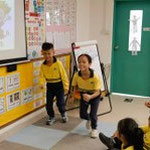
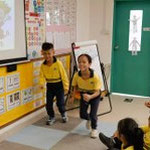
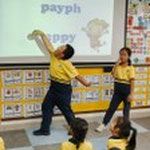
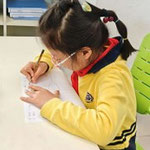
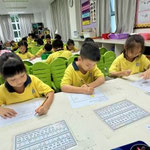
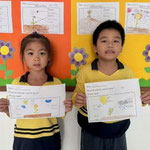
In Grade 1 we have been learning all about plants. After learning about the parts of a plant we learn about what they need to grow. We begin by learning vocabulary. We learn it all as a group first. Then the students get a chance to practice the vocabulary in smaller groups. And lastly they practice the new vocabulary and the question individually by asking each other “what do plants need to grow?” We also watch some videos and sing songs to help learn the vocabulary in a different way.
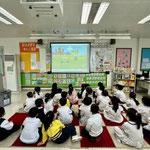
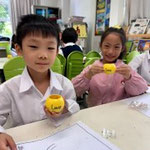
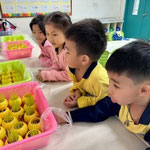
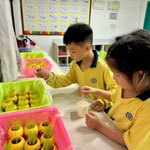
We learn that plants need water, air, sun, and soil to grow. Next we began a science experiment to see if the plants do not have one of these elements can it still grow. (8) The students all the got the opportunity to plant some grass seeds and will give them all the elements throughout the next couple weeks and see if the plants will grow.
The students loved having opportunities to help water the plants and check on them every time they arrive to class to see if they are growing.
Lastly we also draw a picture of a plant that is getting all four elements to help it grow. This gives the students one other way to help them learn the new vocabulary and show off their creativity.












Mr Frank Grade 4 (December, 2024)
Transportation of the future.
In our themed unit on Transportation and Communication, the students learned about types of vehicles and how people and things are moved around the world. Our discussion led us to talk about the ways we can use different forms of transportation to explore our planet.
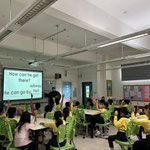
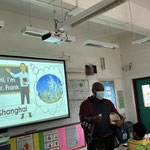
The students seemed very excited to contribute to the conversation. The class dedicated a few class periods to making a poster as a group project, as that allows for communication and creativity from the students. We talked about different types of posters and what kind of information they need on them. Next, the teacher broke the project down into three phases for the students. Then, we generated the language that the students would need to use to communicate tasks and responsibilities within the groups at each of the three phases of the project.
During the planning phase, the students assigned tasks to each member of the group. They also discussed the features of their poster, and the placement of the information on their poster. They also shared different ideas to build a pool of ideas to choose from.
During the creation phase, the students worked diligently to write, draw, cut, and glue their features to the poster as they communicated what needed to be made and where information would be placed. They also continued to discuss ideas adding new ideas or refining existing ideas.
During the presentation phase, the students put the finishing touches on their work. They also decide who would talk about each feature of their poster and what they would say before they presented their finished product to their classmates.
Through group projects students learn more than just the content; they learn from each other and shared team work.



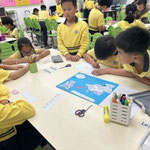
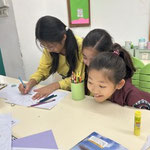


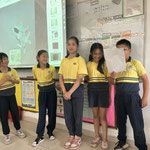


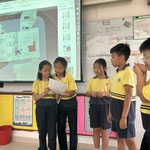


Mr John Grade 3 (November, 2024)
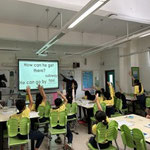
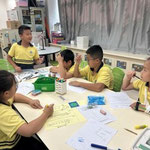
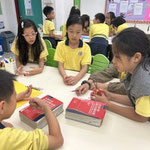
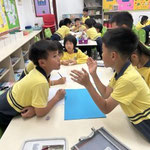
Mastering Possessives: A Journey of Ownership in English
In Grade 3, we recently unlocked the world of possessives—an exciting way for students to express ownership in English. From the start, the class embraced the concept, learning how a simple apostrophe and ‘s’ could transform everyday sentences.
Students were thrilled to apply their new skills in real life. Pointing to objects around the classroom, they confidently declared, “This is John’s book,” and “That’s Amanda’s pencil.” Connecting the lesson to their surroundings made it personal and engaging.
One of the highlights of the lesson was our creative writing activity. Students crafted short stories using possessives to describe their classmates and their belongings. It was a joy to see sentences like, “Henry’s cat jumped on Amy’s chair,” emerge from their imaginations. These exercises gave them an opportunity to actively use possessives in a way that felt natural and meaningful.
By the end of the lesson, possessives became a regular part of their speech and writing, boosting both their grammar skills and confidence. The hands-on approach we used made learning feel fun and relevant, helping the students retain the concept and apply it effortlessly in daily conversations.
Though a small part of English grammar, possessives gave our students a powerful tool to communicate ownership and brought a sense of accomplishment to the classroom.